Debra Eckloff [Interview]


Today we have a feature on a brilliant actress who fans of the improv world will probably now and love. Her name is Debra Eckloff, and is a delight! I will admit that I am not an expert in the field of improv (or any field for that matter), but through my research I have learned that Debra is a class act in a realm all of her own. And then when I got some nice words from her, I would soon realize that she is simply a gem of a human being!

I first became aware of Debra and her work with her performance in one of the most beautiful pieces of satire I have ever witnessed, the video “Ballad of Billy John” performed by Trevor Moore on his special entitled High In Church that was released in 2015, and remains a continuously watched special in my world, especially “Ballad of Billy John”. Seriously, you HAVE to check this shit out. It’s absolutely incredible.

And part of what made the video so damn great was the subject of our interview today, the great Debra Eckloff. She is a beautiful human being, and has so much to say. So let’s get to it! Ladies and gentlemen, Debra Eckloff!

I have come to learn that you have been making quite the splash in the L.A. improv world over the last few years. What drew you to the world of improv? And what do you still love about the job?

I stumbled into improv. I was signed up to take an advanced scene study class but it cancelled unexpectedly. Patrick Bristow, Improvatorium, was teaching improv next door and was willing to let me audition. I joined him for about three years. I learned most of what I know about comedy from Patrick. He’s a master. The task of creating a small comedic scene from a suggestion plays with the idea of living being a shared experience, of organic communication that is in the moment. Improv abandons preconception and planning and trusts in the connection we all have. When a scene is really working, it’s quite a charge.

In your professional opinion, how has your improv work translated to the more scripted screen roles you have done?

Improv is fundamental to how I work. When I first get the sides, I attempt to discern what I can in order to create something grounded for the audition, something that allows me to enter the world of the scene. Depending upon the script, this takes many forms. For instance, if I have some pages of the script but I don’t see what is driving the scene they want to see me do, I might write a scene that is not in the script pages I have. This enables me to have history (complete with dialogue) that I imagine to have lived. Further, if I have a lot of memorization, one way that I reach it is through improvisation. I do my best to learn the lines, of course, but I find once I start living the scene and the emotions are bubbling up, they upset the lines.

So what I do is I work on the lines, but then I get to a point where I throw them out for the sake of meaning. I let the improv loose inside of the emotions that are running underneath the lines in order to fully live them. I’m ready with the scripted lines after I’ve explored like this. Another area where I use improvisation is when I am working on my moment before. What you choose for the moment before results in your character’s mood/state of mind at the start of the scene. I also use substitution a lot in my work. I probably use substitution almost as much as I use improvisation. All this sounds rather think-y but the truth is, the better it’s working, the less think-y it is. In other words, all of this enriches the role for me and makes it an incredible emotional experience. What improvisation and substitution do for me, essentially, is they free me.

I absolutely adored your role in the video for Trevor Moore’s “The Ballad of Billy John” a part of his High In Church special. How did this role come about, and what made you want to work on this project?

Thank you. I am very proud of the video and the reception has been great. I love reading the comments from viewers. I’m grateful to Trevor Moore for a delightful, original and clever song and for including me in the project. The first thing that happened was that I auditioned for Matthew Vaughan over at CAZT. I was so green I didn’t even know that “CC” stood for Comedy Central. The audition involved going through a series of emotions for the camera, locating the highs and lows of Billy John’s wife. Prior to the shoot, I was sent an audio file of the song. I am grateful to Matt because he made me feel very comfortable both in the audition room and on set.
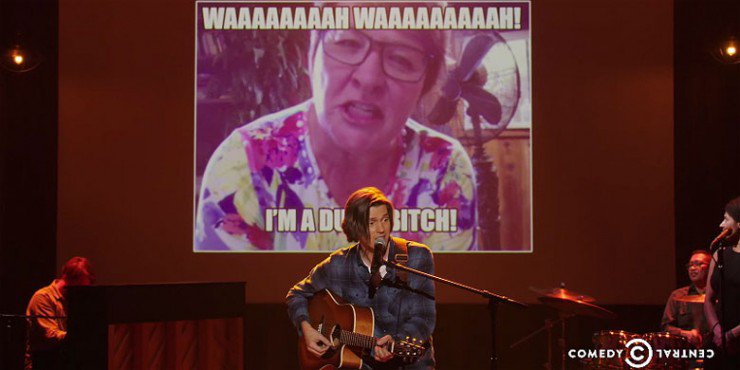

And how was the process of filming this amazing video alongside Ron McPherson? Was there a lot of laughter involved?

We shot the video in a sweet little residence in Laurel Canyon. I had never met Ron before but we had good chemistry right away. He’s a really nice guy. I had to nuzzle up and get some instant intimacy going and it was very easy to break the ice with him. Trevor was there all day for the filming and answered any questions I had. I improvised throughout filming because, as I was saying, I find my emotions through improvisation. Direction was tight and precise on the project.

Nicholaus Goossen was just amazing. The video had its complexities because there’s the camera, the camera in the laptop (which was filming some of the footage), the song that plays, etc. Back to your question, was there a lot of laughter involved? The comedy is grounded in reality in this case. What I mean is that the couple is not in on the joke. So, yes, laughter in between takes but real emotion had to be generated to ground the experience the couple was having. It’s hard to analyze comedy, that’s for sure…but I believe the shock of what they expect and what actually happens is anchored in their innocence. The comedy comes from somewhere around there, I believe.

In your opinion, what would you consider your dream role? What is that role that you would absolutely love to get?

Who knows, really… I have been lucky so far and I am grateful. I have played a myriad of characters and I have gotten to explore so much emotionally. I marvel at many incredible performances I’ve seen. For instance, I love the role Shelley Winters plays in Lolita, Tilda Swinton in Michael Clayton, Cherry Jones’s role in Transparent. I enjoy tender roles for women as well, such as J. Smith-Cameron’s work as the mother of Daniel Holden in Rectify. I’m a little darker, though. I have played some meanies (that’s what I call them). It’s a wild place in your mind where you go to motivate and own a badass. Comedy, of course, is my other love, my first love. Ironically, I have more control over my badasses than I have over my comedic characters. I prepare for both, however I never know what’s going to happen in comedy. I have to step off a cliff.


What does the future hold for you? Anything you would like to plug to our readers?

Who knows, really… I know I will continue to age. lol And that’s a factor in what the future holds for anybody. I know a great role is coming for me. When we meet, we will be like long lost friends. Sometimes you get a role and the memorization is like butter on warm bread. I long to meet characters that will bring me to emotions I need to traverse.

I am in two films that are headed to festivals. One is Emily, written and directed by Jean-Marc Demmer. The other is still in post, The Last Crow, written and directed by Jake Miller and Paul Cadenhead. Both experiences were wonderful.

What was the last thing that made you smile?

Probably a man, but I hate to admit that.

Check out the above mentioned sketch for Trevor Moore’s “The Ballad of Billy John” right here, courtesy of Comedy Central:
Dominic L. Santana [Interview]

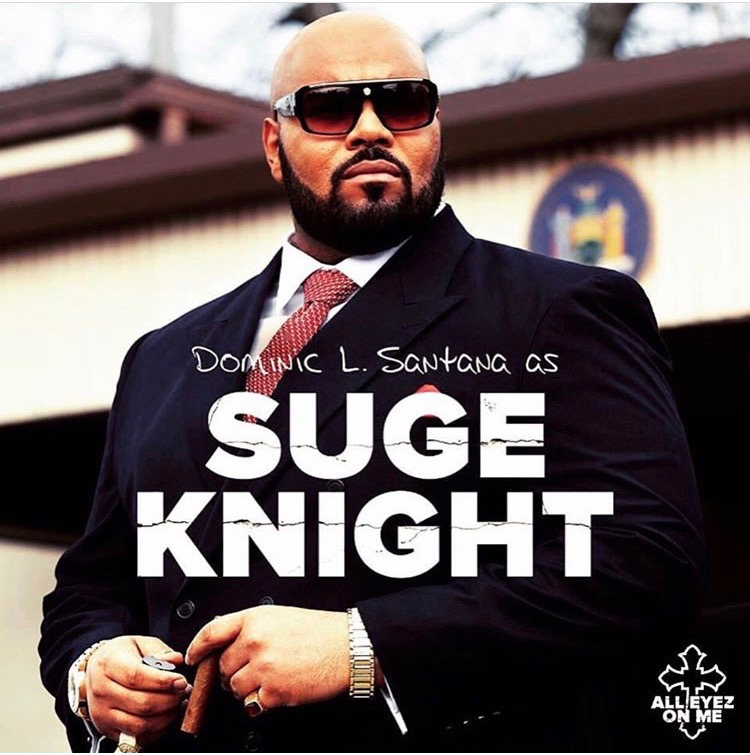
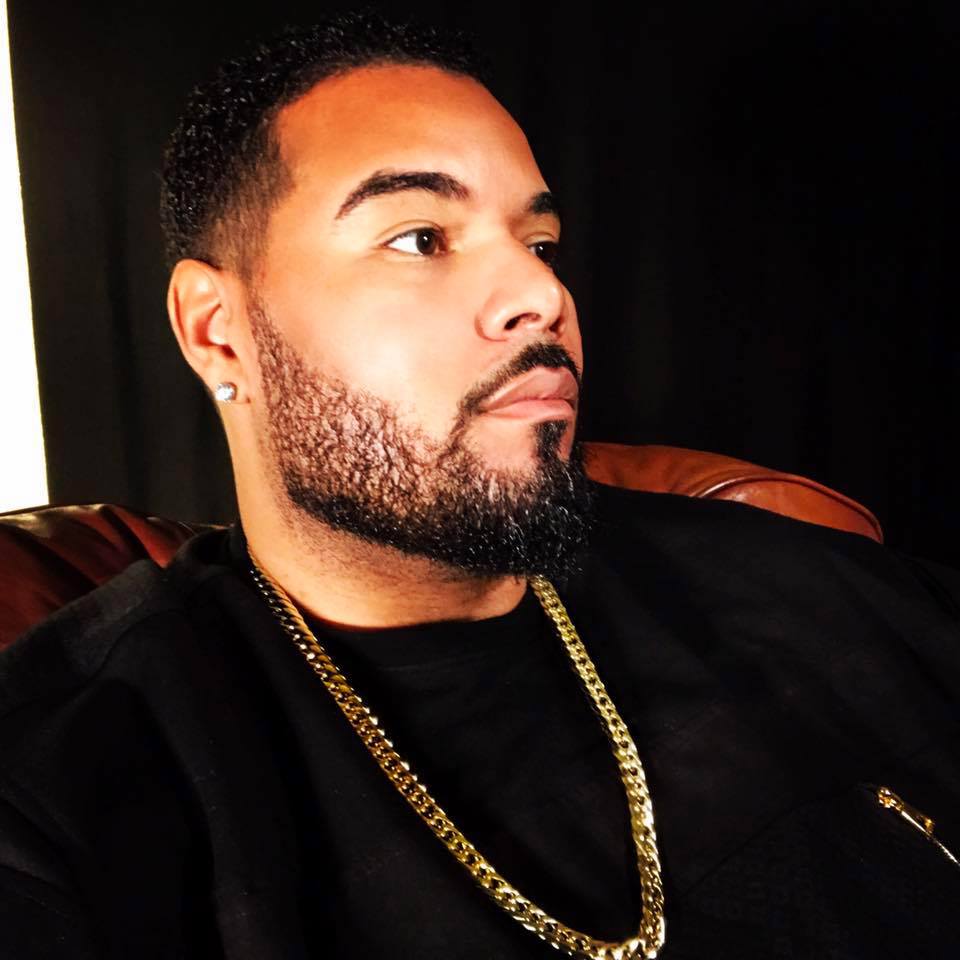
You all are going to LOVE today’s guest, I guarantee it. Everyone should. And for me personally, it represents yet another milestone in my own life. Today’s interviewee is a brilliant actor who has been working steadily for long while and has also added screenwriter to his credits. His name is Dominic L. Santana, and he is a hell of a great guy. But, how does this link up as a milestone for me personally? Well, Santana has been pinned to portray a legendary figure in a film coming this summer that I am so damn excited for, I can hardly contain it. In fact, I really haven’t, we actually talked about it two days ago with our amazing interview with actor Rayan Lawrence. Be sure to check that out as well.

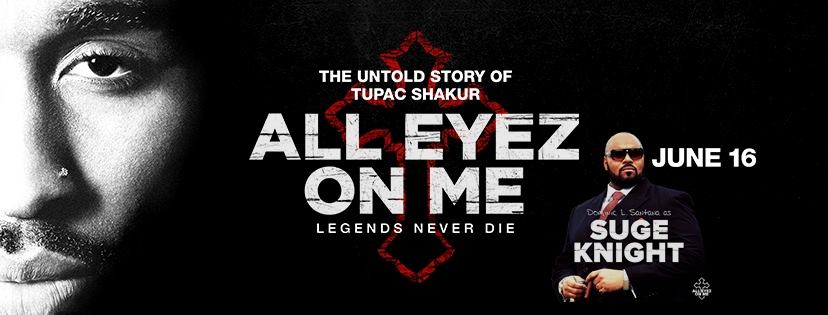
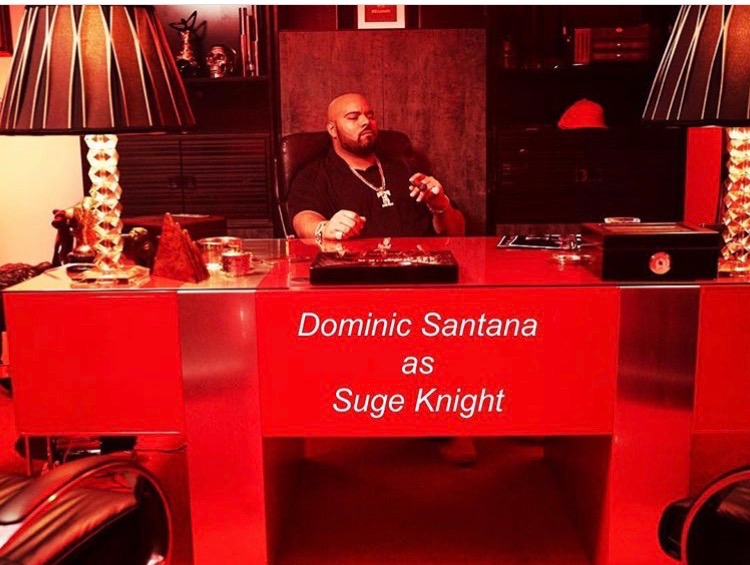
The biopic All Eyez On Me follows the life and untimely death of the legendary Tupac Shakur, a man who I idolized to a HUGE extent as a youth, and still consider one of the greatest artists of our time that was taken from us far too early. 21 years after Pac was taken from us, they are finally releasing a full on dramatization that looks to be incredible. One of the reasons it is poised to be amazing is the casting of Dominic L. Santana as the legendary mogul, Suge Knight. Suge and Death Row Records play a HUGE part in the legacy that is Tupac Shakur, and they simply could not have cast a better person to tackle this dark and legendary figure. This is going to be great folks!

So, we were very excited that Dominic was willing to talk to us a bit about his journey to Suge. Where did Mr. Santana come from, and what has led him to be the man he is today? With some beautiful responses, we are going to surely find out! We are very honored to have him join the TWS ranks, and honored he was willing to speak with us. So please enjoy some great words with the amazing Dominic L. Santana!

Check out what he has to say, and then go check out All Eyez On Me in theaters TODAY!

When did you first realize you wanted to become an actor? Was there a moment when you can remember thinking, “this is it, I’m going to do THIS”?

I took interest in acting since I was a child. My mom was always a big movie buff and because we didn’t have a lot of money she made sure we had great movie nights and occasionally a trip to movie theater which was always a big deal to us. So those memories kind gave me a fondness for film. As I got older, my interest in film grew more and more. Eventually in highschool I had a great theater arts teacher name Vivian Wade who really went out of her way to get me to take it serious. She saw something in me that I had not quite seen in myself yet. I remember her telling me I had the “It” factor. Of course I didn’t really get it then but the events after high school would land me right on the path I needed to go. My family relocated to Wilmington, NC where I discovered a booming film business. It was there that I realized my love for film could be more than just a dream. So I started pursuing it. I got my first role on a show called Dawson’s Creek. I got lucky because I was there as an extra in front of a club and it just so happened that the scene wasn’t working the way they wanted it to. They had one bouncer but felt it would flow better with a second one. They picked me from the crowd and gave me a line. That’s the first time I realized I could actually do this for a living. Of course my pay rate went way up from being an extra to actor so it became real that it wasn’t just for fun but that you can pay your bills while doing it as well. From there I got obsessed and began networking and pushing.

You had a great role in 2007’s mystery/horror film Furnace that was absolutely compelling. Can you tell us a bit about working on a film like this, featuring some of an array of characters from legendary character actor Michael Pare, to hip hop stars like Ja Rule and Paul Wall?

I actually had a great time on Furnace. It was freezing and we were in a real old prison which made it even colder. I was already a huge Ja Rule fan so just being able to spend time with him was dope. Even better he was cool as hell and I still consider him a friend to this day. Tom Sizemore is a phenomenal actor and theres a scene where we ran out of lines but Tom wanted to test my improv skils and kept going. We went on for an extra ten minutes past the script until the director finally yelled cut and everyone exploded with amazement at what they had just witnessed. A lot of that scene got cut but right after, Tom smiled ear to ear and said “you’re a great F*cking actor”. Coming from someone I saw opposite Denzel Washington, Tom Hanks etc was huge to me. I knew he had worked with the best and could see he was one of the best, so for him to tell me meant everything, It was the first time I felt it was actually confirmed that I knew what I was doing and I belonged.

Danny Trejo was also great and we had many great convos. He’s a great story teller and he has a million and he’s so wise. It was great just to sit and listen to him and his stories about life. Funny story about Michael Pare. He’s a real cool guy and we got along great. One day we had to film a fight scene. We had gone over it with the stunt coordinators but he and I hadn’t actually practiced on each other yet. So it’s time to film it and we end up delayed about an hour. So finally a producer comes to my trailer and he informs me that the hold up is Mike is super leery about doing the scene. We are about the same height but he’s more model build and I’m more NFL build. He never heard of me before so he didn’t really know how professional I was or wasn’t. So he was worried that I may hit him for real and was refusing to do the scene. So I laughed when they told and I asked where he was at. They told me and I immediately went to him. I told him theres no cause for him to be worried, I’m a professional and would never hit him. I took him over to the stunt coordinator and we practiced the fight. Not only did we get it together but it actually turned in to a more violent and more believable fight scene. Right after we finished filming it he looked at me breathing hard and said “You’re a real f*cking professional!” and shook my hand and we laughed. It was a great bonding moment and neither of us got injured. The scene looked great.

You made your screenwriting debut with 2015’s Mr. Right, which you also starred in. What inspired you to write this story? Was it at all from personal experience, or just something you felt you needed to tell? Or both?

I actually wrote that film to produce with a few industry friends of mine. It was the first script I was able to write to completion. Before then I really didn’t have the patience. I didn’t plan to actually write it but the writers I had met with just weren’t getting what I was trying to bring to screen so I ended up studying a few months and writing it myself. Glad I did. Over time things kind of fell apart but I didn’t want to waste such a good story so I worked my connections to find a buyer. Fortunately I got it sold and turned it over. They’re the ones who actually asked me to play one of the smaller roles in it. Wasn’t my plan. I was fortunate. I actually pulled a lot from my imagination and then some from actual experiences, either my own or others I had witnessed or heard about. I’m truly a student of life and people so I find inspiration for stories all around. Another big part of the film I focused on was showing African Americans dealing with life issues but not only in the “hood” or being ratchet. I wanted people to see there are intelligent, educated, well to do black people who have interesting and relatable stories. It’s not always just about “hood” love or criminal stories. Plenty of blacks live in middle and upper class. We’re seen one dimensional far too much and I wanted to seize that opportunity to show us a different way while still being very entertaining.


To add to your variety, you have also been working in the world of music as well releasing your own albums. What made you want to join this world as well as the world of acting?

Well music was my first passion. I’ve done it for years and have several close calls with major labels but I’m one of the artist who wouldn’t just bend over and make nothing but poison to funnel into our community. More than once I was made to choose “our way or no way”. I always refused to let some guys in suits who know nothing about the minority community use me to further destroy it. I’m not really a conscious rapper like Common or Talib Kweli but I focus on making hits people love but infusing a little mental medicine in the songs. Apparently labels don’t like you encouraging people to be better and want more. Anyway, I always thought music would open the door for me to do film but film just kind of shot past my music career. With film I have a lot more control. I work with different companies all the time. Some are great and some not so great but I’m contracted with them for more than a year so I can move on. With a label deal you’re subject to their agenda for years. I’ve seen some sell their soul or sell out their community to be here today and gone tomorrow. But I could never shake the idea of having to explain my music they wanted me to make 30 years later if someone asked me why I helped destroy our community and what example I set for the next generations. I realized early on music is powerful. It’s into someone’s soul and can alter how they perceive life or situations. So I didn’t want to be the cause of feeding negative energy to the masses and I paid the price for it. I don’t regret it though.

You were pinned to portray the legendary Suge Knight in the biopic All Eyes On Me about the final years of the late Tupac Shakur. Suge is obviously a crucial role in this period. So what can you tell us about this project? And how did you become drawn to this role?

Well the film actually covers Tupac’s life and how he became the man we all know and love today. As a huge fan already, I was just fortunate to be submitted for the role of Suge Knight and 4 auditions later getting the role. I had to fight for it and I won. I always took interest in Suge Knight and what he accomplished with Death Row. I always felt there was way more to him then just what the media portrayed. So I was excited to explore on film the different sides of Suge. Fortunate to have a great director and some great producers.

What is, for you personally, that ONE shining role that you are desperately yearning to portray? If you were given free range with any sort of character, void of all financial restrictions and what not, what would be your dream project?

Honestly it’s on the table to play Suge Knight in a story thats focused on him and the inception of Death Row. It’s not set in stone yet but that’s the role I think I could really create a film legacy from. Our size and look are as close as I could get to portraying someone real and his story is just amazing and wild. It gets no better than that. I got a lot of camera time but the All Eyez On Me story is focused on Tupac and everything from his view which is also rollercoaster film that will be a classic. I think if I could continue on once more as Suge and finish what I started in AEOM it would be epic.

So, what does the future hold for you? Anything to plug to our readers?

Well I’m still writing and putting a lot of attention into producing some more of my own ideas as well as looking at different projects coming my way for acting. Also I still love music so we’re dropping a free album next month that we’ve been holding forever and then preparing to record a new one. I’m also producing with a great friend and filmmaker a tv show that looks like it will land a home on network in the next few months. So a lot of exciting things and I’m trying to do it all.

What was the last thing that made you smile?

Aside from my son, just yesterday they dropped the full length AEOM trailer which featured me more than the others and that made me smile ear to ear. Nothing like saying I’m gonna be a star one and then seeing tangible evidence that you were right. It’s not all about being a star but what it represents in all your years of work and efforts. As well as what means to your child and family’s future.


Check out the trailer for the fore mentioned All Eyez On Me featuring our new friend Dominic Santana:

Rayan Lawrence [Interview]

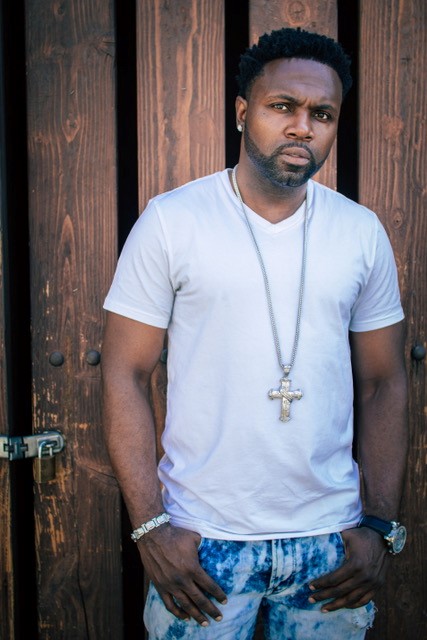
Photo by Miles Maker (milesmaker.com)


In two days, the world will finally be receiving what we can only hope will be the definitive film showcase of the great Tupac Shakur. All Eyez On Me will finally be brought out into the world on June 16th. And we were lucky enough to grab some words from a couple of the film’s stars. Kicking things off is the amazing actor Rayan Lawrence, best known for his reoccurring role in WGN America’s amazing drama Underground.

Rayan will be portraying the crucial role of one of Tupac’s closest friends in the rap game, the illustrious Treach of Naughty By Nature. For avid and die-hard fans of Tupac Shakur, you KNOW the importance that Treach held in heart of Shakur. And you will also understand that Lawrence had a huge job to tackle in portraying a crucial role in this upcoming biopic. For those of you who may not be as aware, with this cat behind the character, you will soon realize.

So, please enjoy our awesome interview with the brilliant actor Rayan Lawrence below, and remember to come back this Friday for some more great words, and then make your way to a theatre near you to check out All Eyez On Me. Ladies and gentlemen, the great Rayan Lawrence!

When did you first realize you wanted to join the world of acting? Was it always a passion of yours from an early age, or was it a random occurrence that brought you in?

I first realized I wanted to join the world of acting, when I went out on my first audition and booked it. It was a random occurrence because I was interested in modeling and once I booked my first acting job I then realized I have a passion for acting.

What sort of research went into your performance as Treach in the Tupac Shakur biopic All Eyez On Me? Did you manage to hang out with the man himself? Did he have any advice or stories to give you that worked with your role in the film?

I never got a chance to hang out with Treach but I’ve always been a fan of his music. So, I went back and listened to all of his music and watched his interviews to get a feel of his personality, mannerisms and get a feel of his friendship with Tupac.

And what was the filming of All Eyez On Me under the guise of the great Benny Boom and amongst some of your fellow amazing actors?

Working with Benny Boom on All Eyez On Me was great experience because working with a director who is passionate about telling the story is very important. You can see the focus in Benny’s eyes about telling the story right. Demetrious Shipp Jr. really embodies Tupac, as well as Khadija Copeland who plays Queen Latifah and Chris Clarke who plays Shock G. The times we spent on set were priceless.

Recently you worked on the incredibly original and unique WGN original show Underground which covers a very specific and dark period of American history. What was it like diving into such a harrowing tale of unsung heroes in American history? Can you help but feel like you are a part of something bigger than yourself with this performance?

Working on Underground was a sacred experience. It was very humbling for me to be able play a character from that time period and to understand the sacrifices that our ancestors made for us to have the freedoms that we have today. It is important for our generation and our future generations to be reminded of how our ancestors fought for us and that we need to continue to fight for the cause.

I am a huge fan of biopics of all kinds, and with your recent experiences performing one as a supporting character, I would love to ask this question: If you were given the free range to portray any legendary person in American history in a lead role, who would it be?

I am a huge fan of biopics as well. If I were given the free range to portray any legendary person in American History in a lead role it would have to be former president Barack Obama. Doing research on Mr. Obama would be priceless. This would be a challenging role but very rewarding.

What is next for you? Anything coming up you’d like to tell our readers about?

I have a couple projects that I am attached too but can’t reveal at this time. One of my other projects I would love for you to look out for is this indie feature PIMP with Keke Palmer. This should be a good one.

What was the last thing that made you smile?

The last thing that made me smile was when I kissed my mother this morning before I left the house. Nothing makes me happier than making my mother proud of my growth as a man.

Declan O’Brien [Interview]


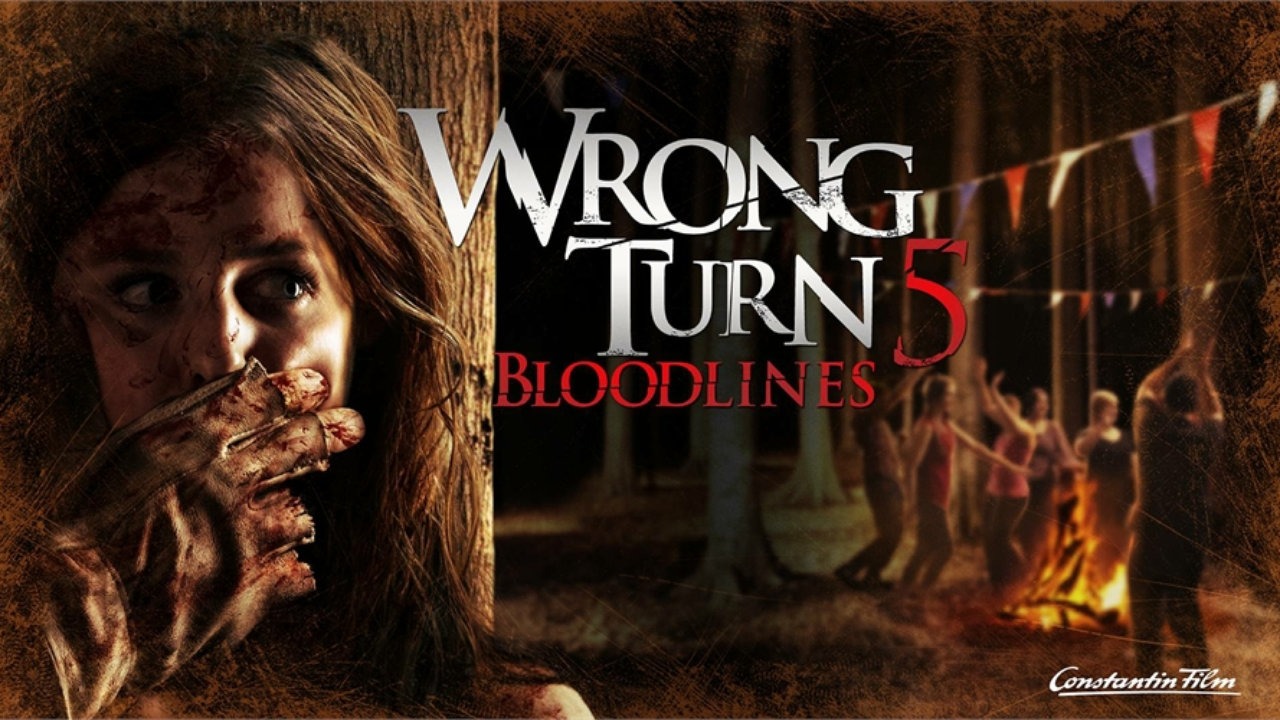
Today we have another showcase of an absolutely amazing writer and filmmaker who has managed to strike fear, joy, and happiness into the hearts of millions for many years. Declan O’Brien may be known best for contributing to several different film franchises that we all know and love. The one franchise that has been showcased here at Trainwreck’d Society would be the Wrong Turn horror series. We’ve spoken with the original writer behind the series, several actors from that world, and now…we are fortunate enough to have a few words who brought us three of the most amazing chapters from the Wrong Turn franchise. O’Brien brought us the 3rd, 4th, and 5th installment in this beloved and absolutely insane series that we all know and love.

But, Declan has proven to be a mastermind in his craft on so many different levels. He’s created some amazing SyFy films, and breathed all new life into the WWE’s The Marine series, and just so much more. And we are so happy that he agreed to share a few words with us here. SO ladies and gentlemen, please enjoy this amazing interview with the great Declan O’Brien!

When did you realize you wanted to become a filmmaker for a living? What was the real jumping off point for what has become your career?

I knew I wanted to be in film since I was a young child. I’m the youngest of seven and my entire family was musical. I wanted to move in a different direction to film and television.

When you are jumping into a series like Wrong Turn, what is your main mission in continuing on a franchise? How do you put your own personal stamp on an established series?

I always want to explore new ideas and themes while still maintaining the structure of the series. I often juxtapose classic themes or movies into the horror franchises. Wrong Turn 3 for example was really a riff on greed. You could say it was Treasure of Sierra Madre meets Wrong Turn. Same for Wrong Turn 5, if you look closely it has the feel of Rio Bravo about it.


How about The Marine series? What is your personal seal/watermark placed in those films?

I wrote Marine 3 right around the real estate market collapse where all these banks were taking people’s homes after giving them predatory loans. I created a militia group that wanted to get back at the corporate banks by robbing them and burning the money. It wasn’t about the money but about payback.

What was it like working for Roger Corman on Sharktopus? Was your experience as fabled as I have heard with break neck pace and budget restrictions making you become that much more creative?

Roger is a legend. I thoroughly enjoyed working with him on two films and we’ve developed others together. Roger is a no nonsense producer. He gives you the parameters, the budget the schedule and you have to find a way to make it work. But most importantly Roger is a filmmaker first and foremost. If it’s for the good of the film he always has your back.


When you are working on a SyFy film, what would you say is generally different about the filmmaking process? In watching the films, there is a very different feel many other films, but still so enjoyable. So is the experience of making one different?

SyFy has produced so many films over the years it is difficult to stand out. You have to have a good hook. Something that sells it in a sentence or a title like Sharktopus. the trailer that played at Comicon back then made it go viral. There were clips on The Tonight Show and Letterman. It just became a meme almost before there were memes and long before Sharknado.

When did Utopia Pictures come about? What inspired you to start your own company?

Utopia Pictures is a company I was partnered at over a decade ago. I am no longer there. My company is Fairport Filmworks. It’s always good to blaze your own path.

What is next for you? Anything you would like to plug?

If I told you I’d have to kill you….

What was the last thing that made you smile?

My daughter getting her driver’s license.


Check out the official trailer of the fore mentioned film The Marine 3: Homfront, right here courtesy of the WWE Network:

Steve Monarque [Interview]


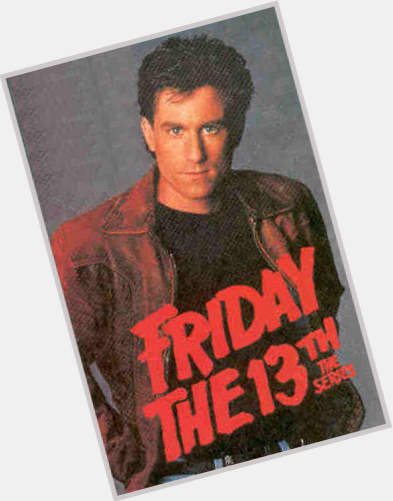
A few years ago this amazing short film entitled Simpler Times came to my attention, and I was deeply compelled by it. It’s such an amazing little film that is heart-wrenchingly beautiful. So I looked into who was behind the making the film, as one should ALWAYS do! And lo and fucking behold, I discovered it was the one and only Steve Monarque! Steve came to my attention at a very young age when to portrayed the great Johnny Ventura in the classic (to some of us, anyway) television series adaptation of the Friday the 13th series. I can vaguely remember watching this series as a far too young of a viewer, but definitely remember when the internet hit us by storm, and have managed to check out the series once again via YouTube and mega-fan sites across the web. It is a brilliant show, that simply didn’t get enough credit, such is the story of so many great shows that just don’t quite make the cut.

So, I felt compelled to reach out to the artist formerly known as Johnny Ventura, and ask him about the show, and his work on the amazing short film Simpler Times, and even more! And dammit it all if he didn’t give us some amazing answers that I am so excited to share with you all. Ladies and Gentlemen, the great Steve Monarque!

One of your earliest credits as an actor is in the ABC After School Special “Stoned”. I will admit, I have not seen it. But, I do remember the concept behind these After School Specials, and given that title, I am very intrigued to ask you what exactly was this episode about?

It was about a young high school student (played by Scott Baio) who got himself caught up with two bad boys (myself and Jeffery Frichner) smoking marijuana during and after school. It changed his life for a brief moment but then he learned the hard facts of life and eventually accepted who he was without being “stoned”.

My actual earliest memory of your work is in the short lived but now cult classic television series adaptation of Friday the 13th. Would you mind telling us a bit about your experience on this show as the great Johnny Ventura? Was it a good time in your life? 

You know, Friday the 13th has gotten some negative reactions through the years and was taken off the air because it was accused of being part of the occult. But my experience was the complete opposite. I believe the show was about the fight between good and evil and, as always, good triumphing. The time I spent shooting in Toronto was not only exciting, it was creative and fun. I mean who wouldn’t want to fight the roots of an evil tree or travel through time or even bring your father back from the dead using a cursed coin? Johnny certainly learned his lesson in that one. The show’s cast and crew were a delight. We got along very well. We had to. Our shooting schedule was rigorous. Always at night while the rest of the world slept. I guess that was appropriate for the subject matter.


Another random credit I noticed as a Jock in the beloved cult classic of a film, Sixteen Candles. We had the pleasure of speaking with Haviland Morris to tell her how much we loved this film, and now hear you are as well! Can you tell us a bit about your experience on set on this film? It really seemed like the perfect time to be young in Hollywood. Would you say so?

Being young in Hollywood is always a good thing. It’s geared to the young and if you’re at the right place at the right time things can happen. You always have to be ready cause you never know when that time will come. John Hughes auditioned me for The Breakfast Club and I was really close to getting the role. When the part of Jock came up in Sixteen Candles I got a phone call to come to set. I didn’t even have to audition. He remembered me, which was a good feeling. But as always, being on a studio set with your peers is the greatest experience. I remember the party scene. I wasn’t even there. They stuck me on a platform one day said, “Look through the hole and say wow”. Wow is right. That moment got me a lot of recognition.

You have eventually moved more off the screen to working as a director of plays and film. What kickstarted this transition? Did it feel like a natural progression to you?

Early in my career I noticed how actors would have some success. But the majority came and went. I knew that show business would not take care of it’s own. Longevity was always the key but when Star Search was created it opened up the door to reality TV where anyone can be a star. That’s what we have today. YouTube sensations. All from a smart phone. I decided that telling story is done not only in front of the camera but also behind it. So I started to write and, trust me, not very well. But I kept at it while I was acting. I submitted a one act play to an Off-Broadway festival in New York and it was accepted. It won best play. From there it was made into a short film where it won best short at the New York International Film Festival. My writing and directing career began. Today I have two plays and three films in development.

When did MonaVision Films come about? What made you want to start your own company?

It came about when Jerry Stiller and Anne Meara decided to be in my film Simpler Times. That was 2011. Every filmmaker has to have a film company. I spent weeks mulling around all kinds of names. We were going into production and I had to call us something. Mona is the first four letters of my last name and this is my vision. Pretty corny, huh?

How did the idea for the insanely sweet and delightful short film Simpler Times come around? Was it a vehicle for Jerry and Anna, or did they come around afterwards?

Thank you for your kind words. I wrote four short films. Simpler Times was first called Please Say A Command and the late Henry Gibson was attached to it. After his passing I was out of a lead actor. In 2011, I was performing in a rock musical at the Village Gate in NYC alongside my now wife Laura Carbonell, when Jerry Stiller came backstage and congratulated us on our performance. As Jerry was speaking to me all I could hear myself say was, “Mr. Stiller? Would you read my script”? Well, next thing you know I’m invited to his house and as we were working on the story together I hear from the other room, “Where’s my part”? Anne Meara walks into the room. Well you have to know I was watching Stiller and Meara when I was five on the Ed Sullivan Show. It was like the full circle for me. Jerry Stiller and Anne Meara. How fortunate I am. I don’t think either one needed a vehicle. They were already established as one of the greatest comedy husband and wife duos. I think they just liked the story and love to perform.

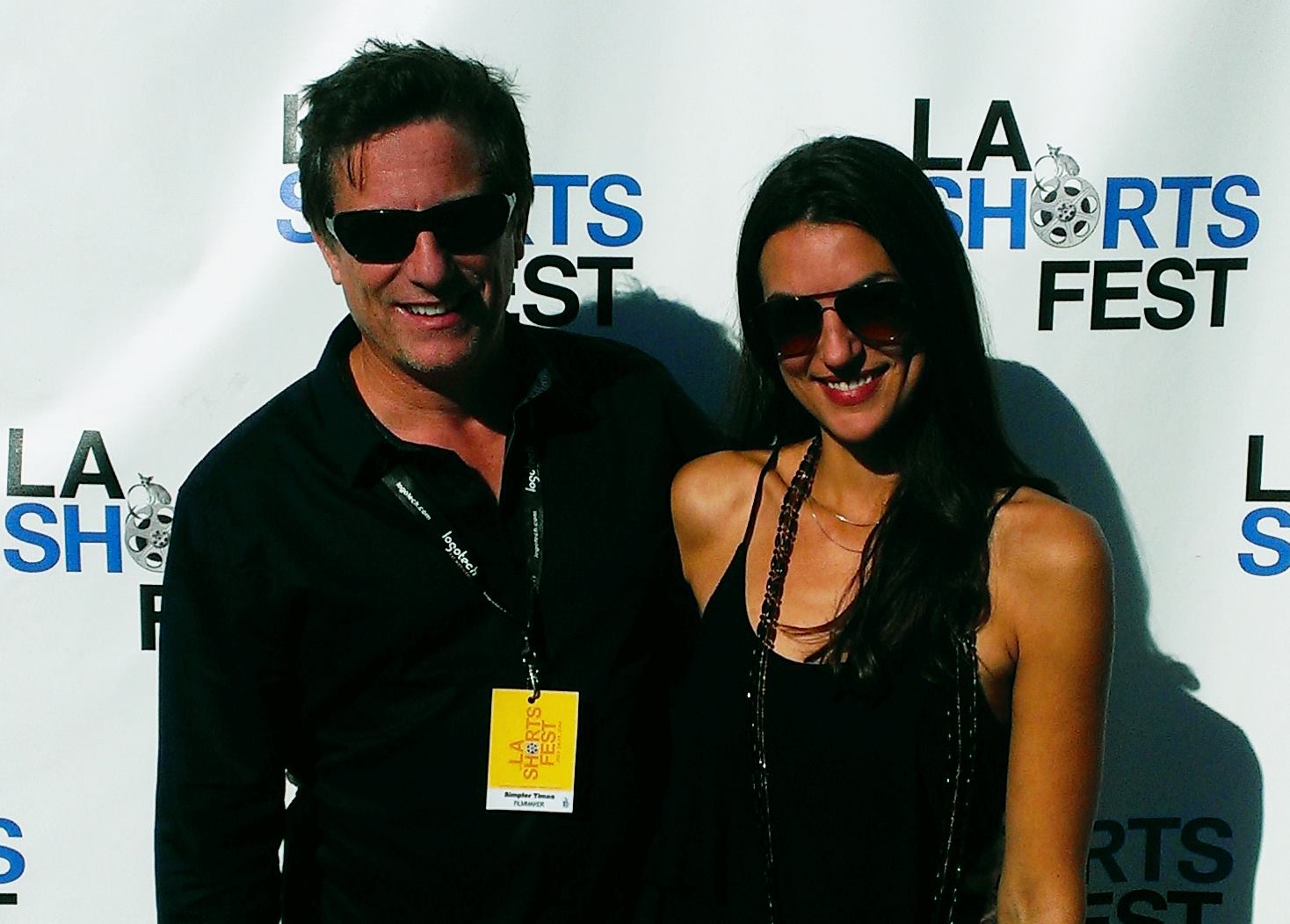
Steve Monarque and his previously mentioned “now wife” actress and producer Laura Carbonell at LA Short Fest.

What does the future hold for you? Anything you would like to plug to our readers?

Right now I have a play in development in New York, called “That’s Life”, the story of a down and out rock and roller who meets his guardian angel through a karaoke machine. Lots of original rock music and comedy. I have a couple films in development too, but all our upcoming projects and productions can be followed at http://www.monavisonfilms.com.

What was the last thing that made you smile?

When I see my wife Laura in front of me, I can’t help but smile.

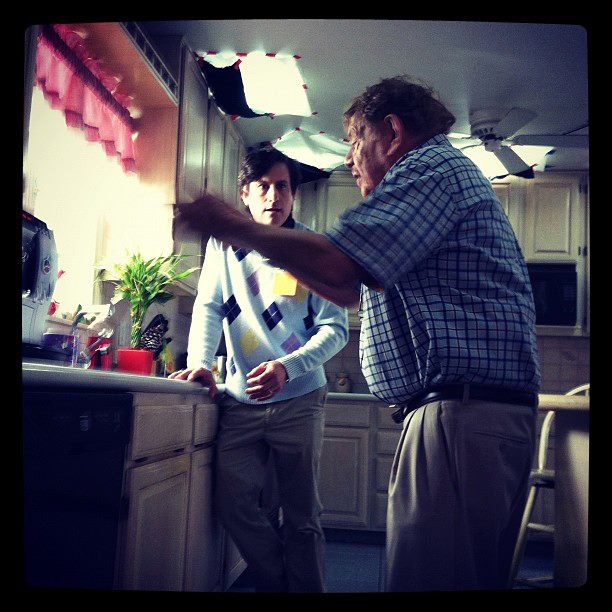
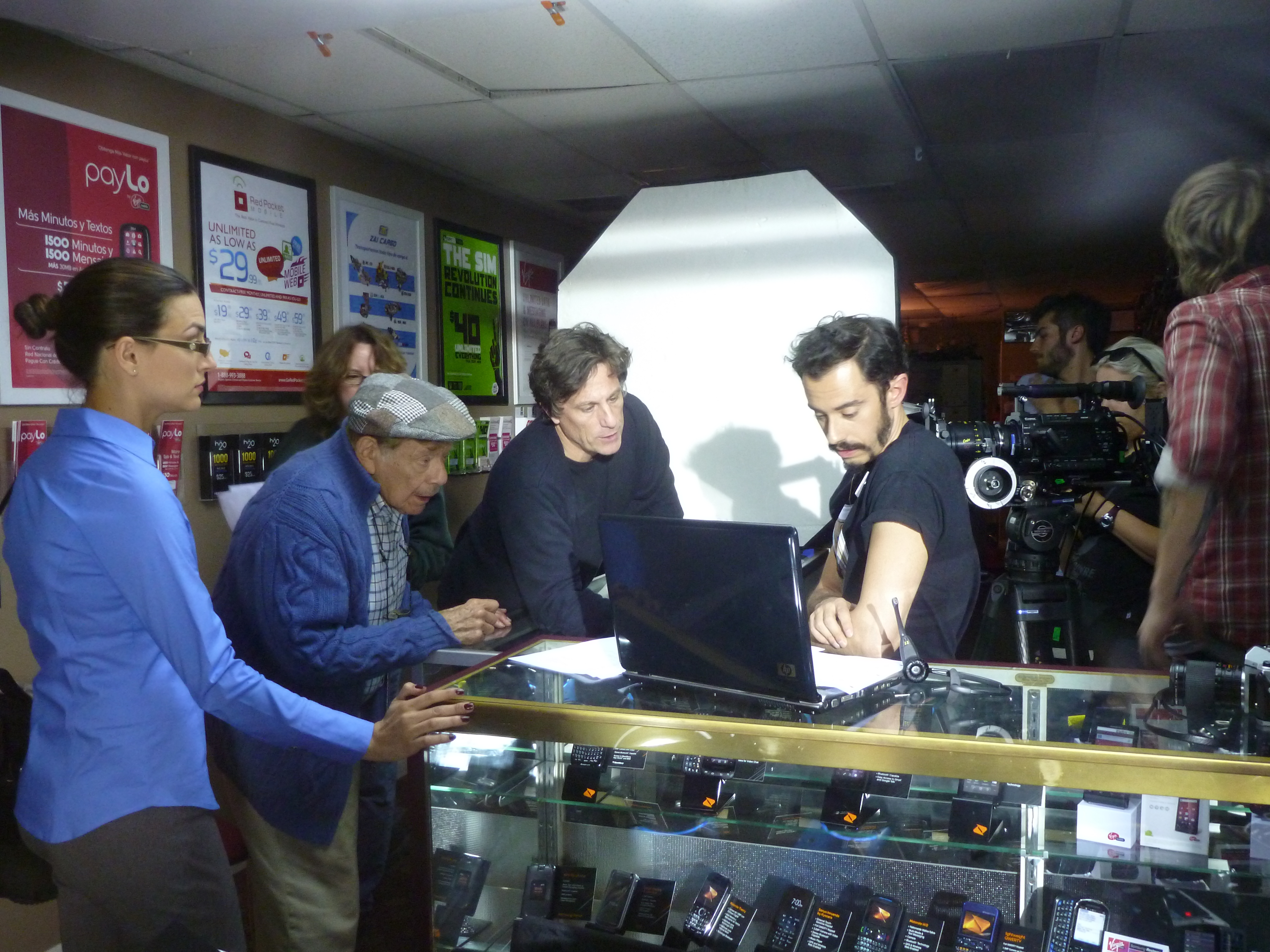
Thank you so much Steve, for this wonderful interview, and also for these lovely still shots from the set of Simpler Times:


Jerry Stiller, Steve Monarque, Armando Merlo, and Laura Carbonell

And check out this short trailer for Simpler Times:

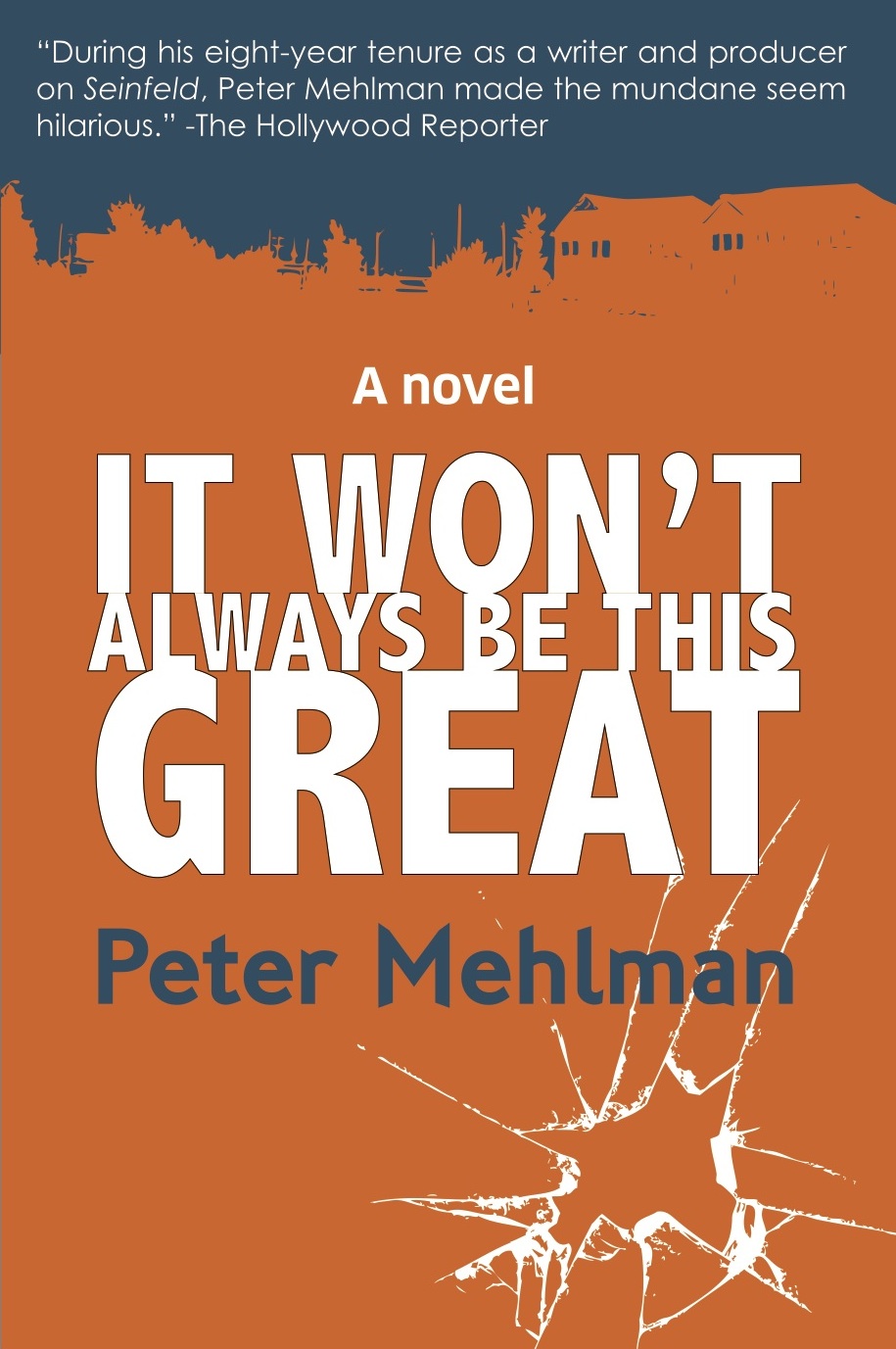
Peter Mehlman [Interview]

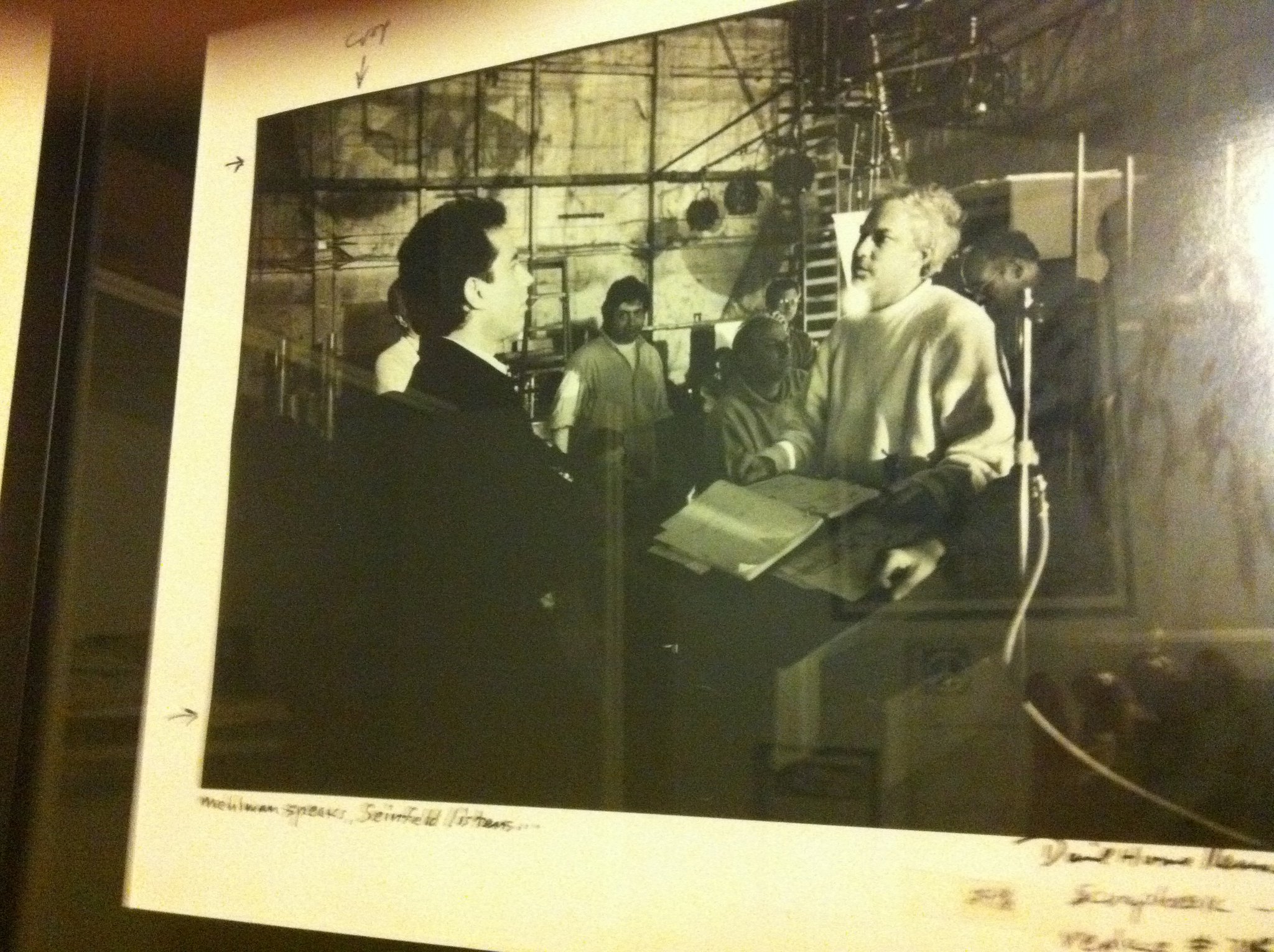
The subject of today’s interview may very well be one of the most fascinating individuals we have had the pleasure of showcasing here at Trainwreck’d Society. Continuing on with our love affair of brilliant writing, especially in the world of television, we are featuring the legendary comedy writer and journalist Peter Mehlman. It’s pretty easy to ramble off Mehlman’s credits as a writer and producer in several different formats, as he has worked on some of the most notable television shows in history. Notably, he was a driving force behind the powerhouse that was Seinfeld. But, alas, there is something even more special about this guy that has to be addressed.

The term “yada yada yada” means a lot of things to different people. The idea behind this saying pre-dates it probably by decades, and has since transformed to different coagulations of the English language, ultimately meaning the same thing. But, the term “yada yada yada”, is still a major part of the our slang culture, and can very easily be heard daily. And ladies and gentlemen, Peter Mehlman invented this term! I’m not saying that this single phrase is the only reason we should remember and ultimately bow down to the brilliance of Mehlman, I just find it to be a solid example as to why he may be one of the most influential people to ever put proverbial pen to paper. The man transformed our language as we know it through the insight of his own brain. What better sign could we have that a genius is living amongst mere mortals?

As you will read the amazing interview below, Peter exists on a plane beyond of this low-rent blogger, as I learn a few things about my poor use of the English language, and that I probably have no business doing so. But, of course I will. Oh, what new exciting times we are living in. It is important to note that what we have below is not just a collection of gentle stabs at a moronic blogger, it is a brilliant story loaded with wonderful advice from one of our finest minds in the world of television producing, writing, journalism, yada, yada, yada (See what I did there? Who’s the hack now? Haha).

So without further rambling and bullshit written montages, please enjoy some amazing words from the legendary Peter Mehlman!

When did you first realize you wanted to be a journalist for a living? Was it a long time ambition stemming from childhood?

Spring semester, sophomore year at the University of Maryland. I’d been writing for the student paper then took a journalism class in which you had to write 40 articles in one semester. I wrote 66 and felt constantly jazzed by the whole process: poking around for stories, rushing to get stories in under deadline… all while reading All The President’s Men. Twice.

What was the first piece you can remember seeing published and was able to say: “I wrote this, and somebody gave me money to do so”? And how was the feeling at the time?

Summer 1978. Just having graduated, I got my foot in the door at the Washington Post — a great story too long to get into here. Suffice to say, I heard the Post wasn’t hiring white males so I wrote a job letter as a woman. Don’t ask. My first piece was for the sports section… a feature on “rail birds” at Laurel Race Track. These were people who stood around the rail watching their horses lose and their wallets lightened. On the other hand, I was paid $50. The sports editor, George Solomon said, “Nice piece kid. Fifty bucks.” I went to a Xerox place to photocopy the check. They insisted on stamping the word COPY over the copy, thinking I was going to try something fishy.

I have to ask you about bloggers. Are we destroying journalism as we once knew it? Are we on the list of blame for the reason that people who are actually talented find it impossible to come up as a freelancer like you could pre-Internet?

Like everything else internet-related, blogging gives anyone a forum to spout off. For the longest time, I just thought blogging was for people who can’t get paid to write. Actually, I still kind of believe that but clearly there are some bloggers who post some worthwhile writing. Finding them is a treasure hunt even the lightest work schedule cannot include. It’s not as if blogging is that much more detrimental to journalism than a million other avenues on the internet but it’s certainly not upping the quality of journalism. It’s possible The New York Times and The Washington Post are all that’s keeping American society from total chaos.


With all of your insider knowledge and you wealth of experience with Seinfeld….what do you think Newman is doing now? Not Wayne Knight obviously, but the character, how is he handling Trump-era NYC?

Considering his personal habits, it would be an insult to medical science if Newman is still alive. But if he is, he was probably a Trump voter because his whole existence was based on Anti-Jerry-ism. That said, he wouldn’t be fanatical about it because Jerry, who wasn’t fanatical about anything occurring in the outside world, would be taking Trump in stride.

If you received a nickel for each time somebody used the saying “yada yada yada” since you first brought it to the world, how much money do you think you would have today, and which small country would you purchase first?

Nickels don’t add up that fast. I still wouldn’t have as much money as Jerry or Larry and they haven’t bought small countries, last I checked. But if the haul were much more massive than I’m guessing, I’d buy Luxembourg. I flew into it once and it felt like an especially lavish college campus. And the fact that no one ever visits Luxembourg is extra appealing. I have Attention Surplus Disorder… I just don’t want to be bothered.

During your time running the hilarious web-series The Narrow World of Sports, what would you consider the most awkward experience during its run? What made for some of the most uncomfortable moments in doing these amazing interviews?

It was never awkward except with Sugar Ray Leonard. He never grasped the concept enough to go along with the humor side of it. He’d been in the public eye so long, he had an auto-pilot he’d push the second the camera went on. He’d be thoughtful and wide-eyed and serious… then the camera would go off and he’d be exactly the kind of guy I wanted him to be when the camera was on. In a way, it didn’t really matter: The main philosophy of the show was that the questions were more important than the answers.


I read briefly somewhere that you have dabbled in the world of stand up comedy. Are you still doing so? Do you find it to be an exciting and/or difficult challenge?

You read that briefly? Did you run out of time or was the reading material just incredibly thin? Whatever. Yes, I have been dabbling, am still dabbling, and totally love it. It’s so much fun that I feel calmer on stage than when at a cash register saying, “Venti Half-Caf drip please?” Of course, there’s really nothing at stake so there’s no reason to not be calm. But my mind works on a heightened level up there, my enunciation and verbal fluency is better than it is at dinner with friends. So it’s pretty curious/thrilling.

When you look back on your illustrious career as writing in so many different capacities, what are you most proud of?

Whatever illustrious means… There’s possibly some satisfaction about being fairly daring in trying out different stuff and being sort of successful without having any career goals (Everyone’s so goal-oriented: Why limit yourself?) It’s nice that I’ve made a living writing without having to take a crappy job or sell out in any other of the ten million soul-crushing ways offered by the Los Angeles Chamber of Commerce…

…Boy, this is a vague, deflection-riddled answer. My overall career is not the kind of thing I dwell on, even though resting on your laurels sounds nice and is probably way underrated. In order to come at least somewhat in the ballpark of an answer to your question: Recently, I had a nice essay published in the Washington Post and realized that being in print still excites me in a way I didn’t feel after writing a good Seinfeld script. It takes a bit of courage to have a winding career path and I truly consider Seinfeld to have been a career detour. Yes, it was an absolutely ridiculously great detour, but a detour nonetheless. Knowing what you like is pretty career-making.

What do you have coming up that our reader(s) should be excited about? Anything you would like to plug?

I maybe hosting a brunch but it’s just for friends. Also, there are few things (one in TV, one internet-y thing a la Narrow World of Sports) that are in those delicate stages where it would be bad luck to discuss them in any detail. And I assume they won’t happen because it’s healthier to presume they won’t happen. (Philosophy: you better enjoy the work because the moment you send it out into the world, it’s like driving a new car off the lot… it instantly devalues by half.) And there’s the stand-up which would be very difficult to pin me down on because booking the actual stage time is the tough/unreliable part of it. So no, nothing to plug.

What was the last thing that made you smile?

This morning. Hearing Howard Stern do his impression of his parents. That is a never ending source of smile-a-ture. And after that: getting my Starbucks order and paying for it all without saying a word to anyone.

Check out one of the most infamous episodes of The Narrow World of Sports featuring the legendary Kobe Bryant:

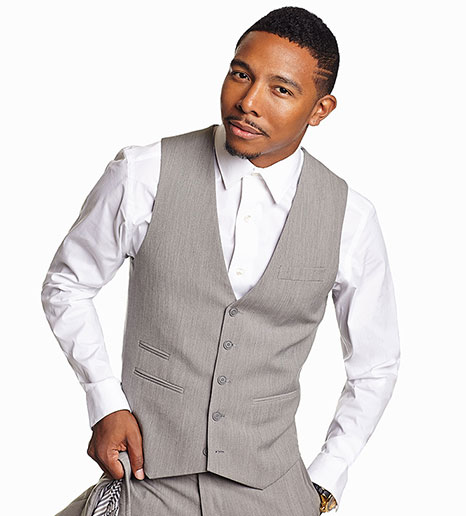
Allen Maldonado [Interview]


For those of us who geek out on film and television on the daily, there really is no greater joy than when you discover a show/movie that you had zero expectations for, and soon find yourself entranced in great writing and brilliant character development. Am I right? Of course I am, no reason to ask. I had this experience recently with a little FXX program entitled You’re The Worst. My wife and I were actually looking for something that we could both enjoy. Her being the more sappy and love story oriented person, and I with my obsession with self-deprecation and unworthy righteousness, and a love for hip hop, I think we found the perfect show. And today, I am so fortunate enough to be able to speak with one of the stars of You’re The Worst, who also happens to be a brilliant actor on so many different levels than where I first found him.

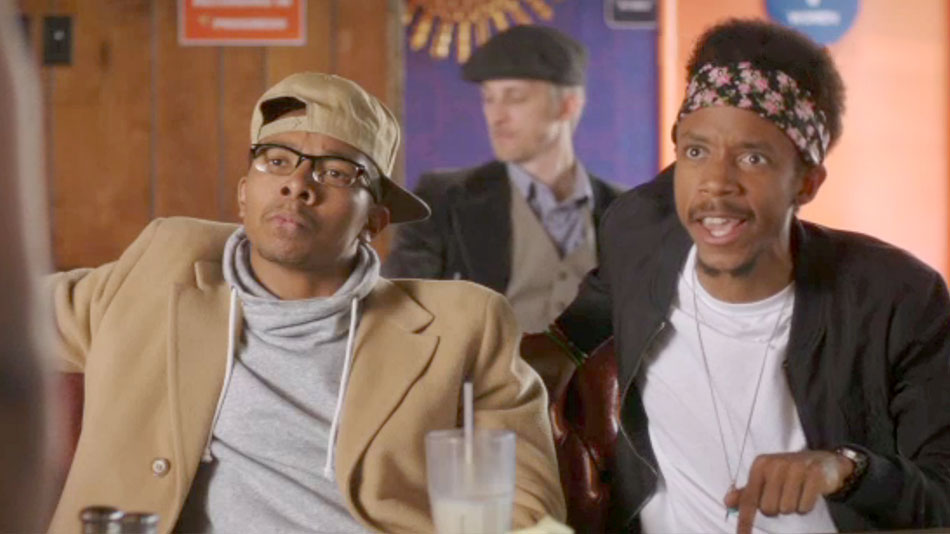
Allen Maldonado is a brilliant actor who portrays the hilarious Honey Nutz on You’re The Worst, for those of you haven’t quite figured it out. And if you are a fan of the show, you will know right away that he is a damned delight on this program, and whenever he embraces the screen, you are definitely going to laugh. But, not to be out done by himself, Allen has also become a series regular on the hugely successful program black-ish with another batch of wonderful performances. But, it’s not all just about the funny with this guy. Allen has had some brilliant dramatic roles in films like Straight Outta Compton and The Equalizer. And if I had to suggest another one, I would have to say that the 2014 indie flick Cake was film that he was amazing in, and a film that cast a whole new light on Jennifer Anniston that I don’t believe enough people appreciated.

Yes, Maldonado has become a regular face among television and film viewers, and all for great reasons. He has worked his ass off to make to where he is, and the future is only looking more and more bright each day. So, we are extremely proud to have gotten to grab a few words from him for you fine readers. I swear, you are some of the luckiest damned people out there. Anyway, ladies and gentlemen, the wonderful Allen Maldonado!

What made you decide you wanted to become an actor? Do you have any influences you can remember inspiring you to join this world?

There are several answers to that question. One is joining my acting class in high school during my senior year. While basketball was definitely my focus, I found myself selecting theater as an elective and quickly discovered I had a gift for writing and performing. Second, was the moment I witnessed my mom walking home from work, exhausted. I feel that was the first time I realized my family was poor. I quickly decided that acting would be the path that would take me and my family out of the hood.

I have recently become aware of your work on the wonderful television show You’re The Worst, and love every second you are on screen. So what made you want to be Honey Nutz? And what are your thoughts on the show thus far?

You’re The Worst is an amazing show. I am so happy to be a part of it. I believe it’s a show that is often overlooked, but our fan base is growing every day. Honey Nutz really spoke to me because he is seen as a stereotypical member of a famous rap group, but he’s really the opposite, which is slowly being revealed throughout the series. I believe the show will continue to grow in popularity with each season as more people discover what we are doing. I think it has an incredible shot at becoming an iconic show that people will continue to dive in and binge watch from Season One.


I know you have probably already received a lot adoration for your role as Tone in Straight Outta Compton, but I need to give you some more. You were wonderful. I understand you had a somewhat distant relationship with some of the things that were portrayed in this amazing film that profiled a very strange time in American history. So, how was your experience in shooting this film? And what are your thoughts on the final product?

Straight Outta Compton was an amazing experience being that I grew up in Compton the first 9 years of my life, so it had a lot of personal meaning to me. My sister went to the same high school as MC Ren, so I was surrounded by memories of that era as a child. The final product was incredible! Being #1 for 4 weekends straight was beyond any of my expectations! I believe we’ve made an iconic film that will stand the test of time as one of the greatest biopics ever made.

While digging through the plethora of film credits you have amassed over the years, one of them stuck out to me, and I will honestly say I can not remember it, but I am definitely intrigued as hell about it! So, you did a voice/impersonation of Lil Wayne in a 1997 episode of Celebrity Death Match? This sounds amazing! Can you tell us a bit about your work on this short lived, but utterly brilliant comedy show?

Celebrity Death Match was such a fun show. I can remember the day I auditioned to voice his character. Now this was before he became Young Money Lil Wayne, this was Bling Bling Lil Wayne. I often forget that I did the voice, so again, I was very fortunate to be a part of a great moment in time with MTV.

I also recently learned you have a pretty cool philanthropic venture going with Demo Nerds that seems to have done some amazing things. Care you tell us a bit about it? And what made you want to start this project?

Demo Nerds acting and film for kids is a two week acting camp for foster kids and at-risk youth. We teach them acting exercises the first week, and the second week they get to shoot their own short film. During the last day of the camp we hold a red carpet screening, inviting the press along with their family and friends to view the film. I started the foundation after visiting a career day in Watts, California. While there, I met some incredible kids that inspired me to teach them acting, spawning the idea. After talking to my good friend, Shanelle Watson, she helped my develop the idea into a two week program.

You have worked in so many different genres of film and television, practically all of them really, so what would you say is your favorite to do? Do you have a preference?

I like doing both. TV is becoming such a big thing right now that it’s production rivals some major films being made at the moment. You can really get the same feel of a film in most TV shows right now, so I must say, it’s a beautiful time to be an actor.

So what is next for you? I can only imagine there is a lot. Anything you would like to plug here?

Yes. I am launching the first ever short film mobile app, Everybody Digital. We will be streaming short films from around the world while also producing original content such a short films, digital series, and even some docuseries. We will essentially be the short form version of Netflix, creating a home for short films after the 12-15 month shelf life these films often have now. I also have two films coming out this year. One is Where’s The Money starring myself, King Bach, Terry Crews and Mike Epps. The other is First Match, which will world premiere on Netflix.

What was the last thing that made you smile?

Thinking of everything that God has blessed me with.


To keep up with Allen, discover the latest news he has to offer at at his website. And to learn how you can contribute to Demo Nerds, check out their website as well.

Anthony Hickox [Interview]


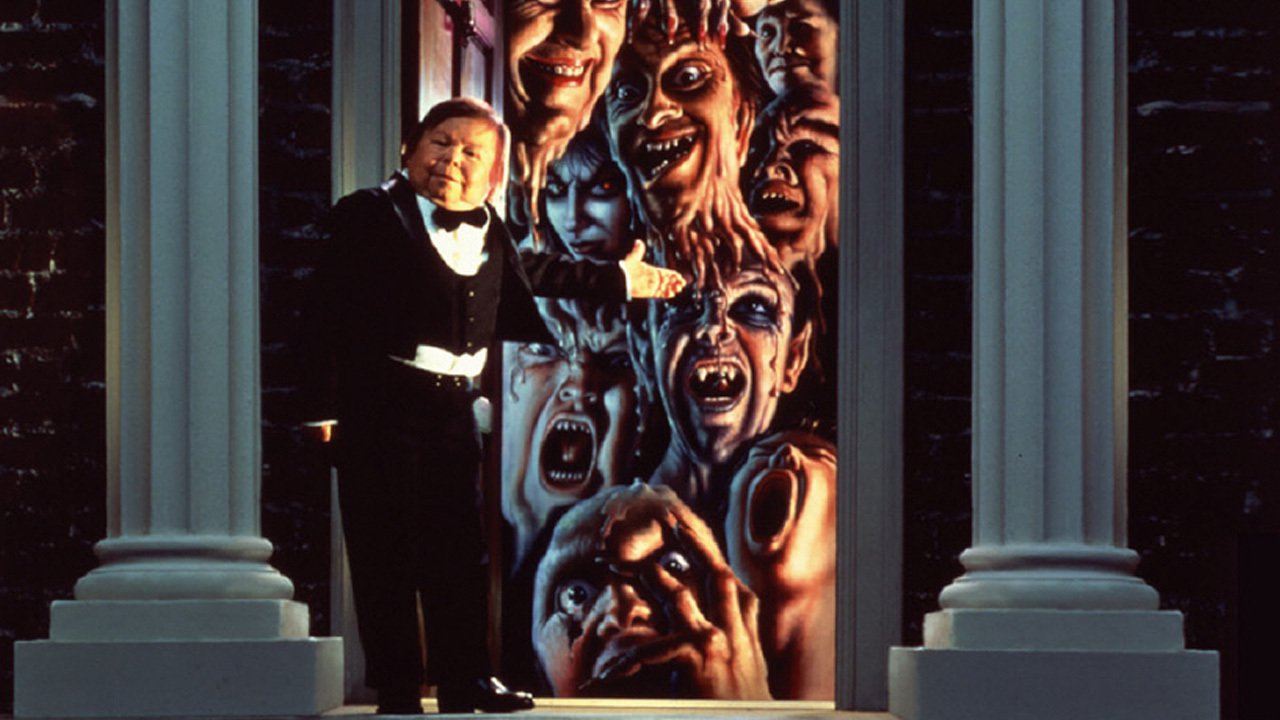
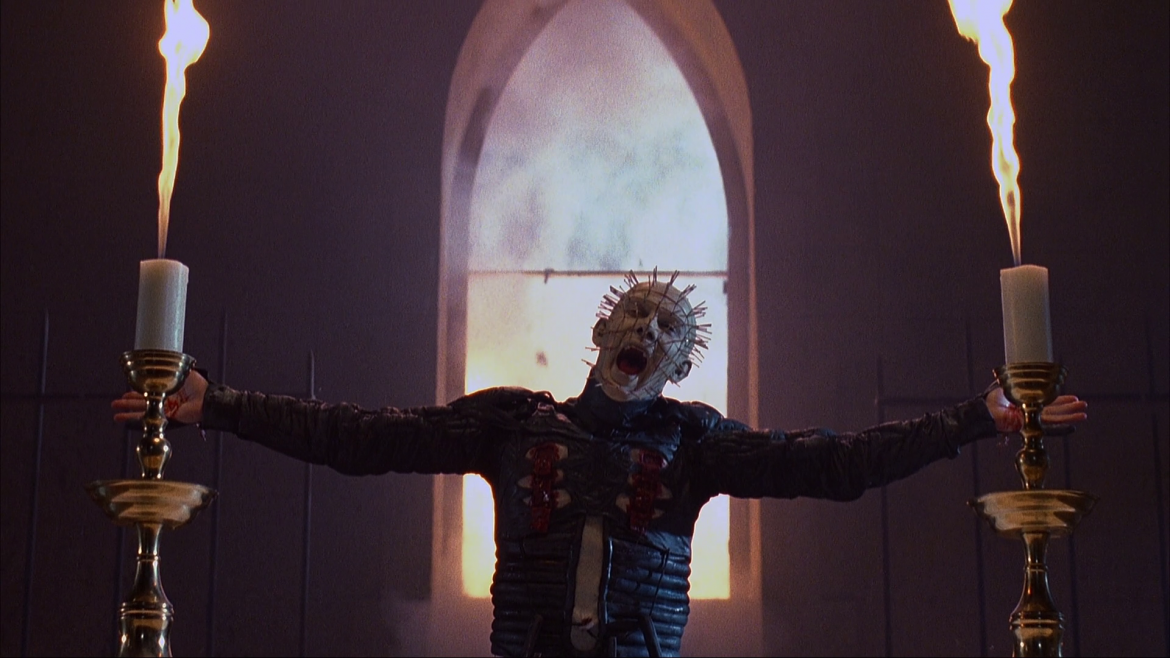
Most of you know that we here at TWS usually go pretty hard on the horror genre in the month of October, but we are such incredible fans of this genre that we feel compelled to sprinkle in some genius interviews with horror masters during the warmer months as well. And today is no exception. Today we are fortunate enough to have some amazing words from legendary writer and filmmaker Anthony Hickox! Mr. Hickox is the brilliant mind behind classic horror films like Waxwork and Hellraiser III. Beyond the world of horror, Anthony has made a great impact on the world of action/adventure films as well, directing legendary actors like Dolph Lundgren, William Hurt, Peter Weller, Steven Seagal, Eddie Griffith, and this writer’s original on screen crush, the wonderful Vivica A. Fox….and so many more in some of amazing roles!

Hickox is a brilliant mind with a real eye for talent, whether he is directing or producing a film in any given genre, you can know that it is going to be a damn fine product. So, we are very excited that he was willing to take some time out of his schedule to chat with us a bit about his introduction and time spent in the grueling business of filmmaking. So please enjoy some words from the legendary filmmaker, Anthony Hickox!

I know you had some obvious influences in your life that may have lead you into the world of filmmaking…but, when do you believe that YOU knew this was what you wanted to do for a living?

Not to sound all Super 8, but I dont remember a time when I didnt. Of course at first you want to be an actor because thats what you see. And I was 7! But soon as I got on set and saw a director at work. That was it!

Your film Waxwork has been rightfully hailed as a classic in and out of the horror community, but exceptionally praised with the world of die hard horror fans and has adapted a massive cult following. In your opinion, what do you believe it is about the film that has stood the test of time and kept it so legendary in the horror community?

That’s too kind!!! I dont know. Never expected it for sure. But when Zach and I did the commentary we realized it still stands up. Of course now as a time machine to the 80’s! But its longevity is more than that. The film has a certain innocents that not many horror films had or have. And its really a. film that loves film. And all film lovers feel that…oh and the Marquis helped. 😂


Your contribution to the Hellraiser series with the 3rd installment is one my favorites in the series. When you were given the chance to work on the Hellraiser series, what were some things you feel like you were doing in order to keep the feel of the series in continuity with the first two films, but make it clearly your own project?

I was just so fucking exited to get the call! And then it was set in a club which was my work to pay the rent while writing! I suppose what i wanted want so much to make it mine as to make it American…because i loved American film. And knew i couldnt just make the same film. So i added the American pop culture. Which pissed off a lot of fans!!!

And what are your thoughts on the final product? It was a financial success, which is great, but it was also a wonderful film as a whole, in my opinion? What do you think of its place in the Hellraiser franchise?

Im really proud of it. Saw it at festival in Miami two weeks ago. It just works. Maybe not as a sequel exactly but as a stand alone movie writtings so good (love Pete) so are actors.

Is there a story behind how Motorhead got involved with doing the title track “Hellraiser” in Hellraiser III? Was Lemmy and company a fan of the series already? And how did you enjoy working on the music video for the track as well?

Funny! I had one meeting with Lemmy in his car. That was it! Love the band but Clive did the video!!!


It’s pretty obvious that the world of film has changed dramatically since you first started so many years ago with so many changes in technology and the way people are able to view films and television. So, in your obvious expertise, I am curious as to what you believe have been the benefit, as well as the down side, of the recent changes in the business?

Mmm…kinda long to type. But Raiders made me pack my bags and head west! I dont know if the present Blockbuster movies would have made me do the same. Might had stayed and make movies in UK. That being said Kong was great!!! But thanks to the animators more than anything!

What does the future hold for you? Any cool projects coming in the future that our readers should be on the look out for?

Yes! Its been quite amazing beginning to the year as far as writing. Ed Pressman is making my underwater treasure hunt movie Zheng’s Treasure: Blood Island. And Insurgent just came on board for my Amazon pic Black Jaguar. And yesterday i was asked to take a crack at one of the biggest Sci fi projects out there but I’m not allowed to talk about it!

Directing wise it will be my London thriller: Bad Company very fucking dark! Shoots in September.

What was the last thing that made you smile?

My wife Madalina Anea.

As a bit of a reminder of his excellence, check out this trailer for Hellraiser III: Hell On Earth:

David Mickey Evans [Interview]

Today’s interviewee is the writer and director of The Sandlot. Just have to through that out there right from the damn get go for you fine readers. Yes, David Mickey Evans is the man behind one of the most iconic children’s movies of all time. Probably one of the greatest sports films of all time. Hell, one of the GREATEST FILMS OF ALL TIME!! At least for us 90’s kids out there, there was not better baseball legend than the one about Denis Leary’s goofy step-son joining a rag tag group of kids in the California summer of ’62 to discover the myth of the great and might Hercules hanging out in James Earl Jones’s backyard living of leather and twine as meals. Yes, it is one of those gems of a perfect film that never seems to lose its glory.

But, there is so much more to this man, and we really wanted to stress this. Of course we can’t have a talk with Mr. Evans without talking about how glorious The Sandlot is, but we wanted to touch on so much more. The man has brought us some of the greatest cinematic childhood adventures in recent history, including his own installments in the Beethoven series, one of my favorite buddy films of all time First Kid, the amazing and haunting personal journey of his known as Radio Flyer, and just so damn much more!

So with that, please sit back and enjoy an absolutely amazing conversation with our new friend David Mickey Evans! For me personally, this is a serious milestone in my life, and I am so damn happy to be sharing it with you today! Enjoy!

Why did you decide to get into the world of film? What were you watching as a youth that led to want to make motion pictures for a living?

Movies saved my life as a kid. The movie theater was both my escape and my refuge from what was not a particularly happy childhood. Vivid early movie-going memories include Born Free, The Seventh Voyage of Sinbad, The Golden Voyage of Sinbad (and all the Harryhausen films for that matter), pretty much all the Disney pictures from the late 1960’s through the mid 1970’s (Treasure Island, Swiss Family Robinson, and 20,000 Leagues Under the Sea were a big deal for me). Later movies and movie-maker influences spanned the pantheon of greats from Kubrick to Wells to Truffaut to Ford to Kurosawa to Stevens to Wyler to Malick to Allen to Spielberg and all the Master’s of the Craft – or as Dostoyevsky said about Tolstoy, “The God(s) of the Art.” But the former were the experiences and the early films in my life that instilled my great love – passion – for movies because they took me to other worlds, where, at least for a couple hours, I could leave my own behind. But the one film, the single movie-going experience, that had the biggest impact on me, the one that (and I can remember this like it was yesterday) instantly sealed my fate – made me want to make movies there and then in the theater – was Star Wars. I remember thinking, “I don’t know what that is, and I don’t know how they do it, but one day I am going to do that.”

When you kicked off your career, you were developing scripts for more action and horror related stuff, but seemed to have swiftly moved into another lane. How did this transition come about?

I went to college from 1980 to 1986 – the beginning of the VCR and VHS video rental explosion. Most of the early adopters of the rental market were low rent productions companies who flooded the shelves with cheap b-grade action and horror pictures. I figured it would be an easy sell if I wrote genre pieces – and it turned out that while in college I sold a couple and was hired to write a few. Looking back it was more of a, “I need the practice” sort of thing rather than any real interest in horror and action pictures. Combined with film school it was a great way to sharpen my skills – actually writing scripts. I never had any real passion for the material at all. That changed when I met Ray Bradbury when he came to my University to speak. I got to meet him for maybe two minutes – maybe only a minute. He gave me the two most important pieces of advice I’ve ever been given about writing, and ever needed. He said, “Writer’s write. Write what you know.” He meant, of course, that “you” the writer needs to be “in” everything you write, and I certainly wasn’t anywhere to be found in any of the horror or action pieces I’d written. That’s pretty much how I ended up turning inward (a writer’s lesson I desperately needed to learn), and the result of that was writing Radio Flyer.


When you were in the process of bringing The Sandlot to the world, could you have ever imagined the lasting effects it would have on people? In your opinion, what do you believe it is about this film that has made it a mainstay in people’s lives?

In a word, “No.” There’s never really any way to know if a film will stand the test of time or not, and it’s certainly nothing that should be on a writer or director’s mind when they’re making the film. I think the film remains evergreen because everyone identifies with the characters; you either were one of those boys, wanted to be one of those boys or knew boys like them. And the fact that it will never become anachronistic – it’s a story stuck in time, and the characters are stuck in a time and place, which if you’d ask the characters themselves to pick the one moment in time they’d like to spend eternity, they’d all have answered “The summer of 1962…” the one great summer they ever had – and all of us, no matter who we are – had at least that one great summer. At a screening once, a mom of three boys said to me, “Mr. Evans you don’t understand, The Sandlot is not just a movie to my sons, and the boys are not just characters in a movie… Benny and Scotty and all the boys in the film are my sons’ friends.” I think that’s a pretty good way to answer the question.


While The Sandlot was definitely a huge film for me as a youth during this period, I have to say that First Kid is a true gem of a kid-friendly film that I still enjoy, and have forced my children to enjoy. What was it like directing an already established comedian like Sinbad in a film of this caliber? Was the shooting experience as fun to do as it was for us to watch the final product?

Absolutely! Sinbad is one of the nicest people you’ll ever meet, and has one of the fastest senses of humor you can imagine. He’s also a master of improv – and that’s something I value very much as a director, it was always a thrill to see what he would come up with next.


From a filmmaker’s stand point, what is it like to jump into (or at times, back into) a franchise that has already been established and has an adoring audience? 

You always feel the pressure, because, of course, you’re aware of the audience’s expectation that the sequel better be as good or better than the original. But that’s a very tall order – or to put another way, impossible – because in the Direct-To-DVD world (not the theatrical sequel world) you never have anything remotely resembling the resources you had for the original. For example I made The Sandlot 2 for one-third the budget and in less than half the time as the original The Sandlot. Critics hammered the movie, but it became and remains the most successful Direct-To-DVD live action family film ever made.

When you are writing and/or directing films that are geared for younger audiences, what would you say are your biggest concerns? What do you feel that you have to get exactly right in order for the film to work?

Both when working with young actors, and writing or directing a film for young audiences, if you talk down to them, patronize them or are in anyway disingenuous with them – you’re dead. You’ve got to be honest and authentic with the emotions. When I write an 11 year-old character I try to write them as my 11 year-old self. Younger audiences are far more savvy than most of us remember being when we were young. So the way younger characters speak is something I always strive to get just right. If a younger audience hears a character they want to identify with talking like some world weary adult you’ve lost them.

And in these types of films, you have directed some MAJOR players in the world of film. In 2012’s Smitty alone, you had a two Oscar winners, the legendary Peter Fonda, and one of the London brothers! Not to mention the dozens of others, especially professional stand up comedians like Sinbad or Julia Sweeney. Basically, what is the process like to direct such high level actors in a film that is meant for a younger audience? Is there ever a time you have to tell them to pull back a bit, or to do something entirely different?

The process – relationship is what it is really – is the same. The difference is that experienced actors generally come fully prepared. Yet, some actors need more than others respecting their characters. More communication, which is a large part of a director’s job, to discover how to speak to an individual actor in such a manner that that actor gets what they need to render their character fully authentic. So long as the director and the actor are “on the same page” with regard to the script, then the material itself (e.g. material that’s meant for a younger audience) shouldn’t be an issue.


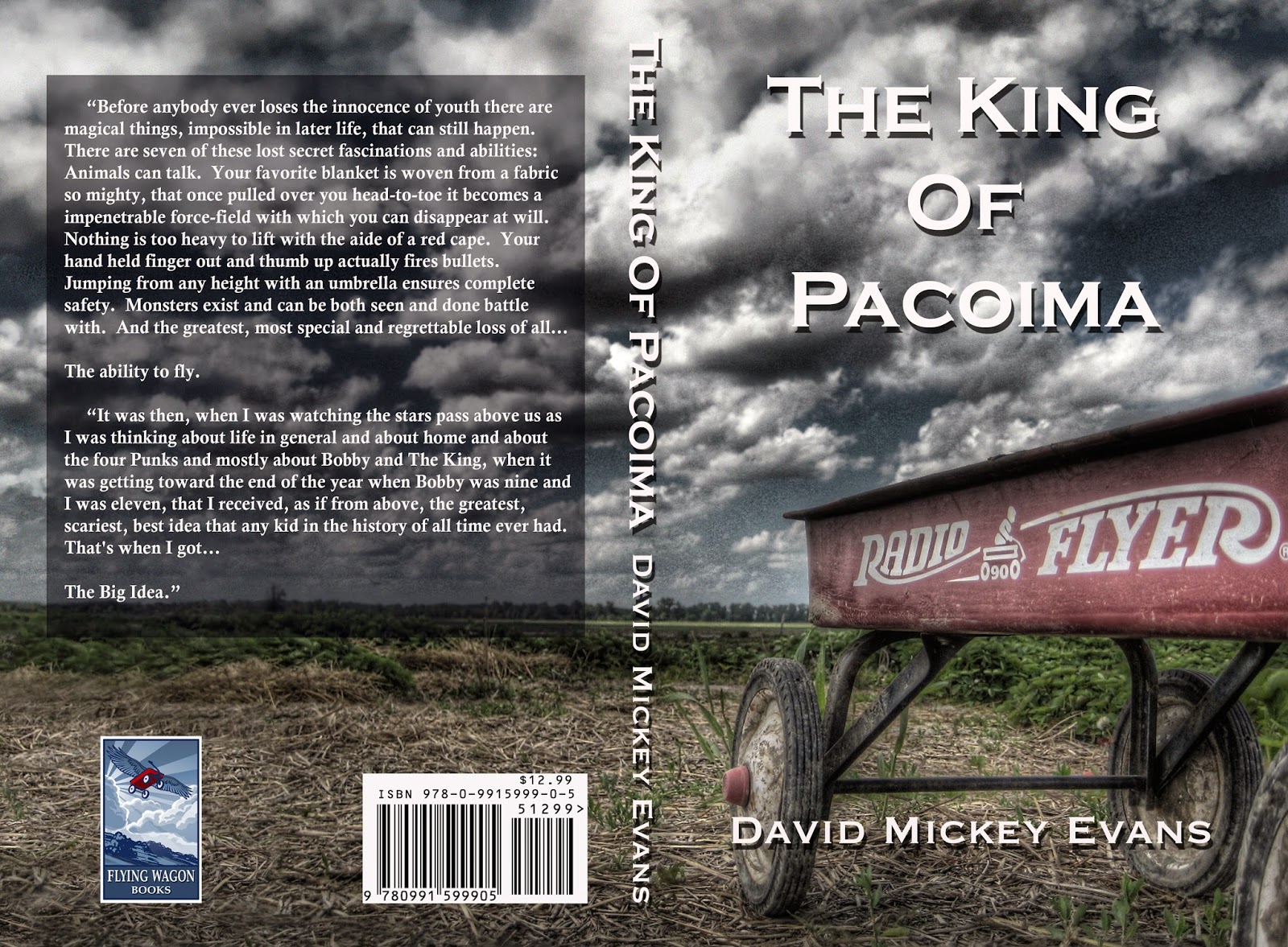
Can you tell us a bit about the book you released in 2014, The King of Pacoima? What made you want to bring the legendary tale of Radio Flyer to the literary world? And what is the correlation to this book and the classic film? Have you simply had this manuscript lying around?

I wrote The King of Pacoima as a novel first (it was not published at the time), then adapted it as a screenplay. The book manuscript sat on my desk for 20 years, and in that time I received thousands upon thousands of inquiries from all over the world about the story as told in the film. Specifically “What happened to Bobby at the end of Radio Flyer?” Many people seem to think he either committed suicide or never existed in the first place and was a figment of Mike (his brother’s) imagination whom Mike created in order to mask the pain of his own abuse at the hands of The King. Well, none of that is what I intended. So I finally published the book to answer the question once and for all. In short, Bobby survived because the Radio Flyer worked. Here’s a link to an interview I did abou the question from my blog:

http://davidmickeyevansblog.blogspot.com/search?q=what+happened

Here’s two links to get the book:

https://www.createspace.com/4698231

What is next for you? Got anything coming up you would like to tell our readers about?

Sure… I wrote and am directing a movie about Coach Ed Thomas from Parkersburg, Iowa called The Sacred Acre. Just finished a Little League oriented script based on a true story called Junior Americans, about the only American Little League team ever coached by kids the same ages as the players on the team – 14 years-old. I’m doing a picture I wrote with my partner Paul Jaconi-Biery, called Hemingway’s Heroes that we wrote for Peter Fonda to star in. And trying to find a home for a television show called Pacific Coast Highway which spans 1958 to 1970 in Southern California against the background of the rise of surf culture and the American anti-establishment youth movement. And probably ten other projects all in various stages of financing or development… it’s what we do.

What was the last thing that made you smile?

** My wife. My German Shepherd Dog. Florida sunshine. 🙂

Check out the trailer for David’s 1992 classic story directed by Richard Donner, Radio Flyer here courtesy of Sony Pictures at Home UK:

Cas One [Interview]

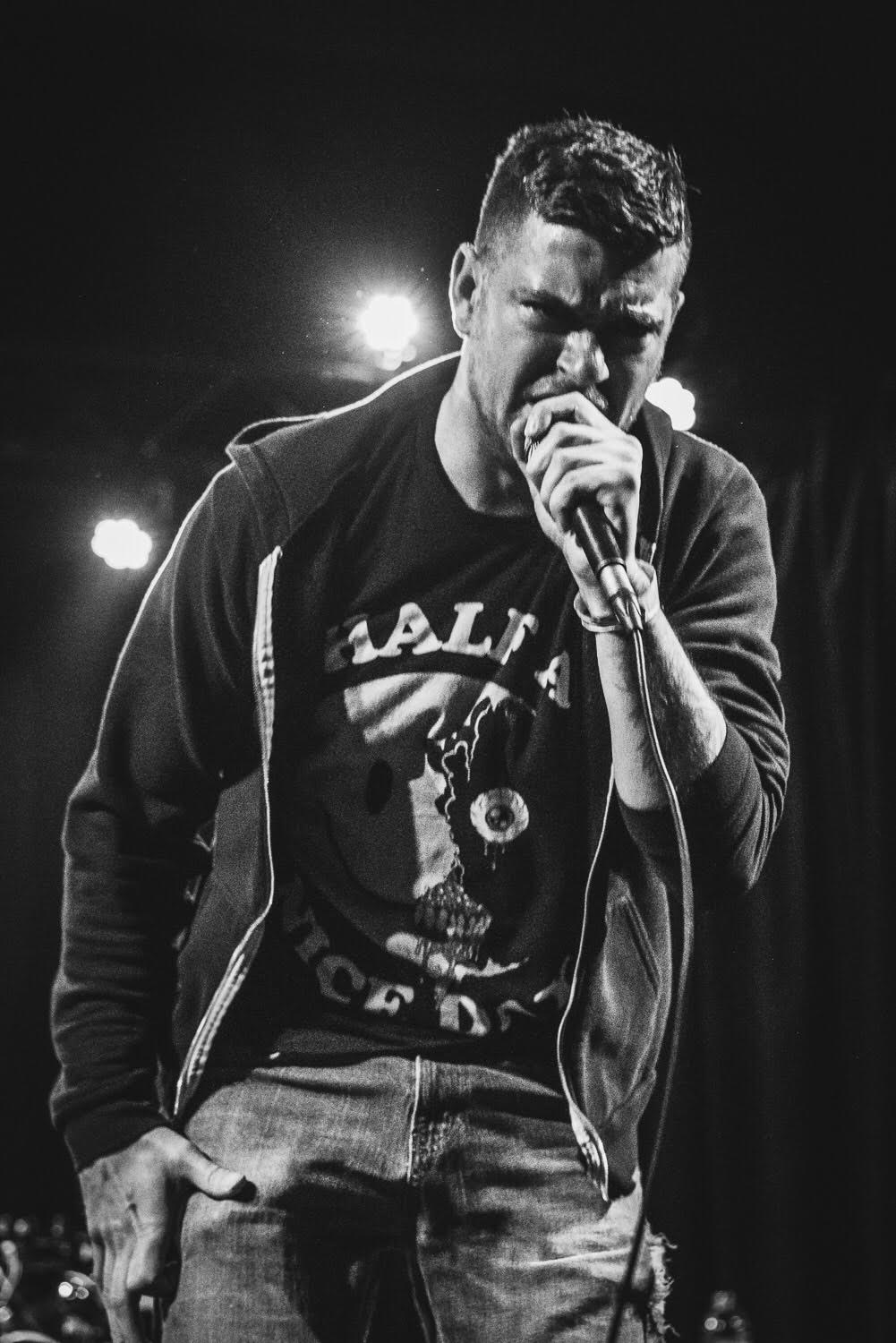
Photo by Alexander “Bodi” Hallet of Sattva Photos. http://www.sattvaphoto.com/

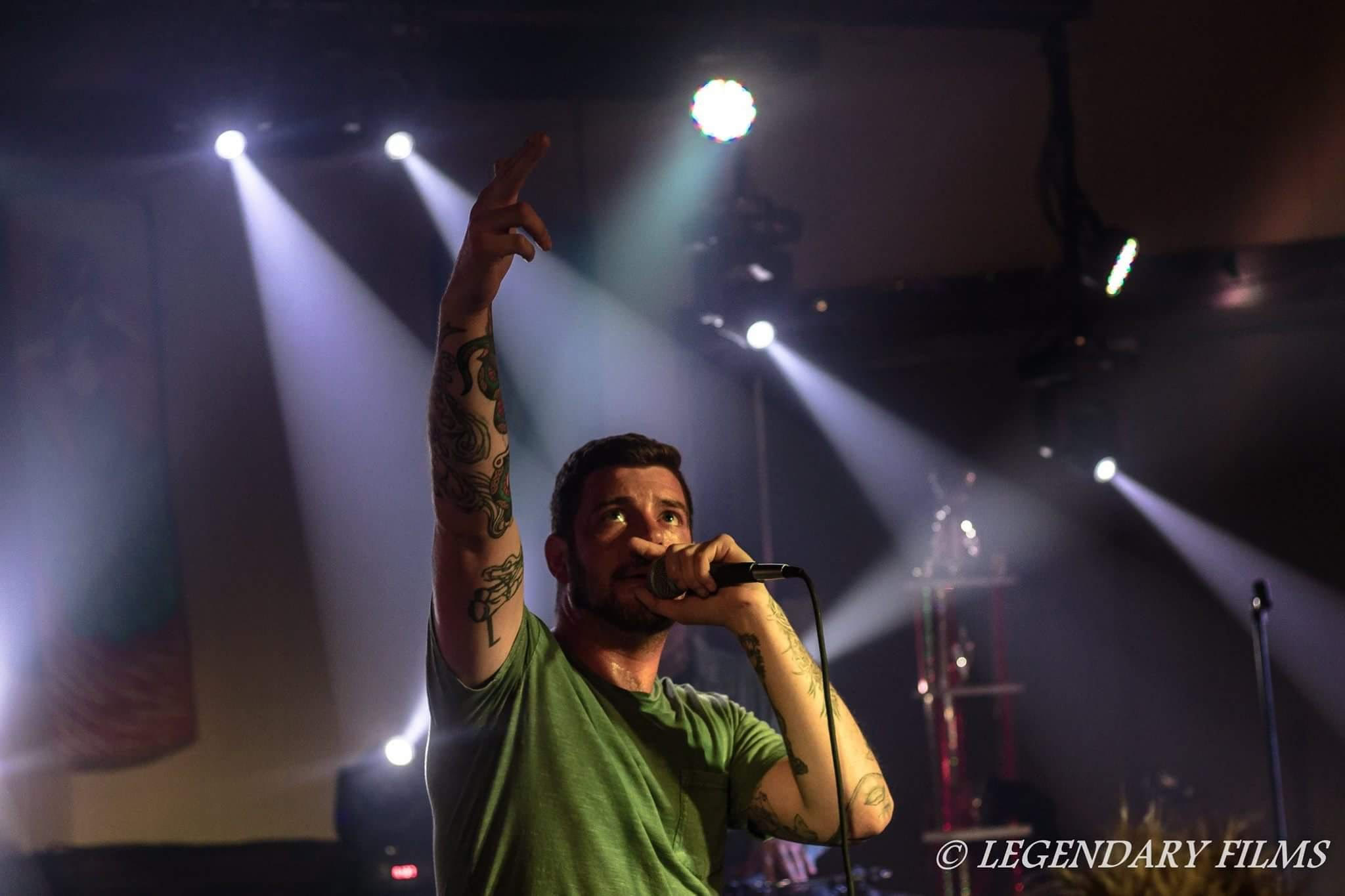
At this point, Jacob “Cas One” Snider is essentially a household name around here at Trainwreck’d Society. And it is simply because he is one of the most talented individuals I have ever heard make music, and I could seriously talk about the amazing things he does at an absurd length. So getting to steal a few words from Cas One is really a fanboy moment for me, and I couldn’t be happier that he has decided to waste his time with us. A true fucking Gentleman, this guy!

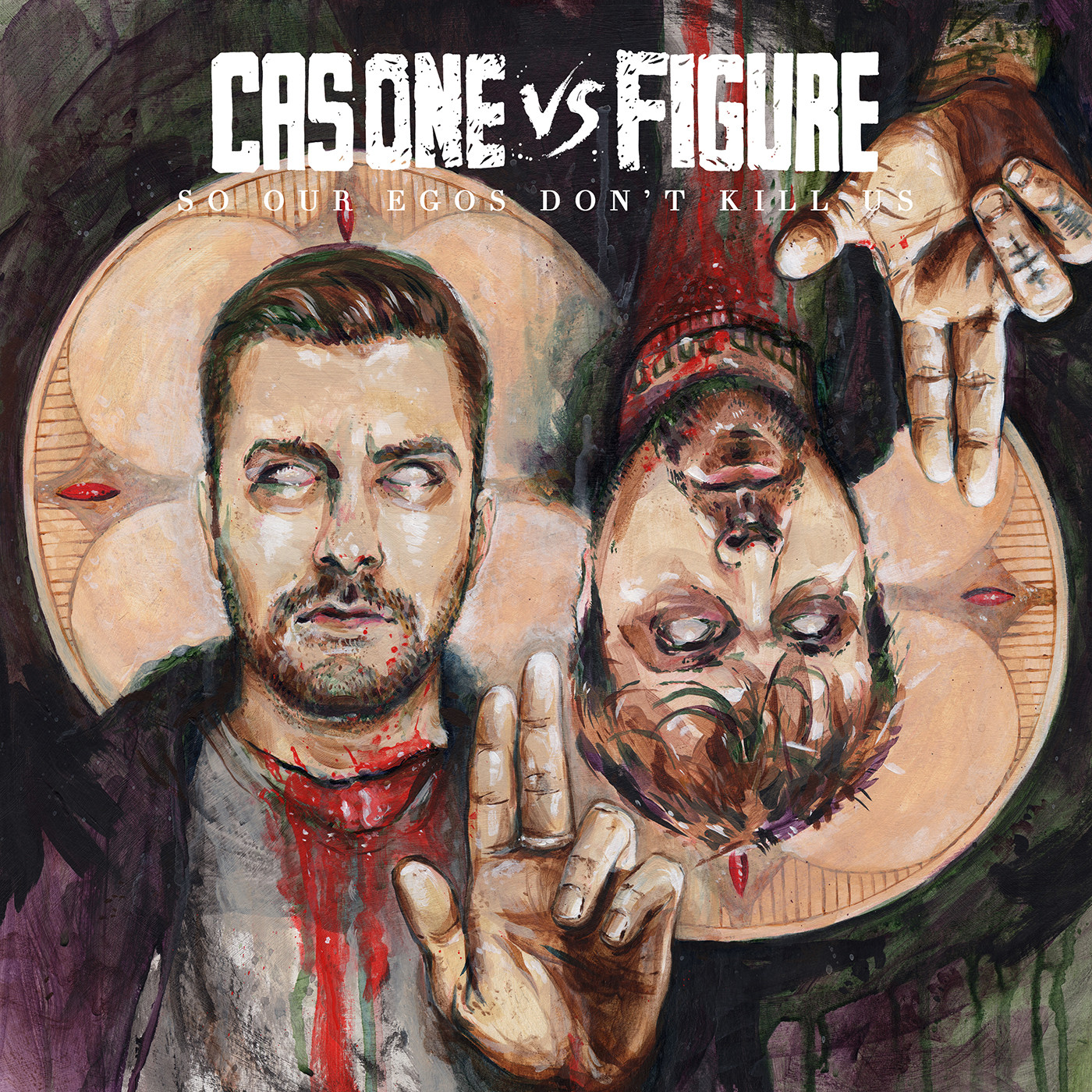
If you haven’t checked out Cas One Vs. Figure’s So Our Egos Don’t Kill Us yet, I honestly don’t want to know you. So, go ahead and make that purchase, realize what you have been missing, and then come on back here and hear more from this amazing man. Seriously folks, SOEDKU is without a doubt the finest album of 2017 thus far, and I cannot force anything surpassing this type of excellence. It’s just so damn good. I wrote about it at length earlier this month, and as I said earlier, I could go on even further. But, I think I will just shut the hell up right now, and the man speak for himself. So with that, Ladies and Gentlemen….check out some great words from the amazing Cas One!

You are fresh off of the Four Horseman Tour, and from what I am hearing, it was a great success. How was the experience for you overall? What were the ups and downs, and which occurred more often? Are happy with it overall?

I don’t know that there were many downs. I really loved New York I got to hang out with some old friends of mine and Sage Francis jumped on that night which made it a little more special. I got to meet a lot of people that have been following my music for years. It was great hearing all of their stories and being able to connect face to face. I did a ton of driving but it helped me clear out my head from last year.

When you rolled back home through Evansville, still with dates to go, and the other 3 Horsemen by your side, only to sell out a Thursday night show….I have to pull a Dr. Phil here and ask, “How did that make you feel”?

It made me feel very fortunate. I can remember playing here for my ten friends or sometimes no one…literally. It blows my mind every time I play and people come out to support. I’m always a nervous wreck before thinking that it’s going to be the night that no one comes out.

Did you make it safely to that Sbarro you mentioned on Twitter while you were out there on the road? You had me a little worried there. What did you have?

I did make it safe! The people behind me…another story. They dead. I always get a cheese slice when I go somewhere for pizza. People fuck up piza with other toppings, they never make the pizza better. That’s a tip from me to you. If you must get toppings get bacon onion and green pepper. I know it’s ridiculous that I love sbarro especially after JUST going to legendary pizza spots in New York. It just has a special place in my dark little heart.


What has the fan reaction been like over all for So Our Egos Don’t Kill Us? Are people going as apeshit publicly as I have?

The response has been very strong. It’s so fun hearing what people have to say or what their favorite songs are. Hearing how many people think it’s front to back a wonderful album makes me feel like they get me as a human being. It’s wild. It’s humbling.

When you are in the midst of the song writing process, what are the elements of a track that you are always looking to include to make a track a true Cas One song? Basically, how do you try to personalize each track?

I try to paint a mood. I try to make my songs little rooms to sit in while you’re listening to them. Each one a different part of the house and I don’t feel like the albums complete until the house is built. To save myself from any jokes, “Razorblade Mark” is the bathroom.

On that note, have you been contacted by anyone who may have criminalized themselves by accusing you of writing “Razorblade Mark” about them?

I have! A guy here [in Evansville] thought it was about him. I was like man…listen to the song. It’s a fusion of 4 people I know.

I have to ask you about your contribution to the legendary (at least to me, and to TWS) track “Savior Self”, I seriously can’t tell you enough how much I love this track. What can you tell us about recording this song? Was it even done in the same room? What was that period of time like for you, as you were rolling around the country with Mike and Alex and all of them?

We had a really bad show in Phoenix that night at some bar that was part of an ice rink. We were all super tired and a little bummed too. I had a friend that moved to Phoenix to do studio work and he approached us and insisted we had to go to this studio. None of us wanted to go but gave in to his insistence. When we got there IT WAS A FUCKING PYRAMID. No joke. It had a hydraulic door and then you went underground. It housed all this crazy gear. We were like….well we have to make a song now. We all did it in the same room and Eyedea even had me sit in the booth as he rapped it… It was a moment that as it was happening I knew I wouldn’t ever forget it. I knew what it meant, ya know? Unfortunately Mikey passed so shortly after that song was recorded and it took on a whole other shape…that song breaks my heart and makes me feel so happy all at once.


Serious question for you: Have you manage to take a proverbial step back, and look at all of the shit you have accomplished in just the last year or so alone, given yourself that hypothetical pat on the back and said, “Good job, Jacob”. Assuming you might not have….why the hell not?

I try not to pat myself on the back too much….but, yes. Yes I have. I am not saying that out of a place of pride. I have grown so much. For those reading that don’t know…I was suicidal. I was depressed. I felt like my life was falling apart. I got help. I have reformatted my thinking. I am genuinely happy when I should feel happy and completely complacent otherwise. It’s crazy to be able to compartmentalise my thoughts and place them where they belong instead of letting them all stack against me. I deal with things totally differently now.

With your skills and ambition, it truly does feel like the sky is the limit with you. So, what is next for you good Sir? What should our readers be looking out for in the near future?

More touring. There’s stuff in the works. I have an idea for another project that would be a 10 inch vinyl but it hasn’t come to fruition yet. However I think I’ll leave breadcrumbs to the next album as opposed to waiting to unveil an entire album all at once. I want to give So Our Egos Don’t Kill Us the push that I think that it deserves. However. Whatever I do will be under the Strange Famous umbrella, those dudes have proven to be family.

What was the last thing that made you smile?

I took my son to see Guardians of the Galaxy 2. He laughed at all the jokes that I did. I got a bigger kick out of him enjoying it than I did the movie. That made me smile.