E. Thompson [Interview]


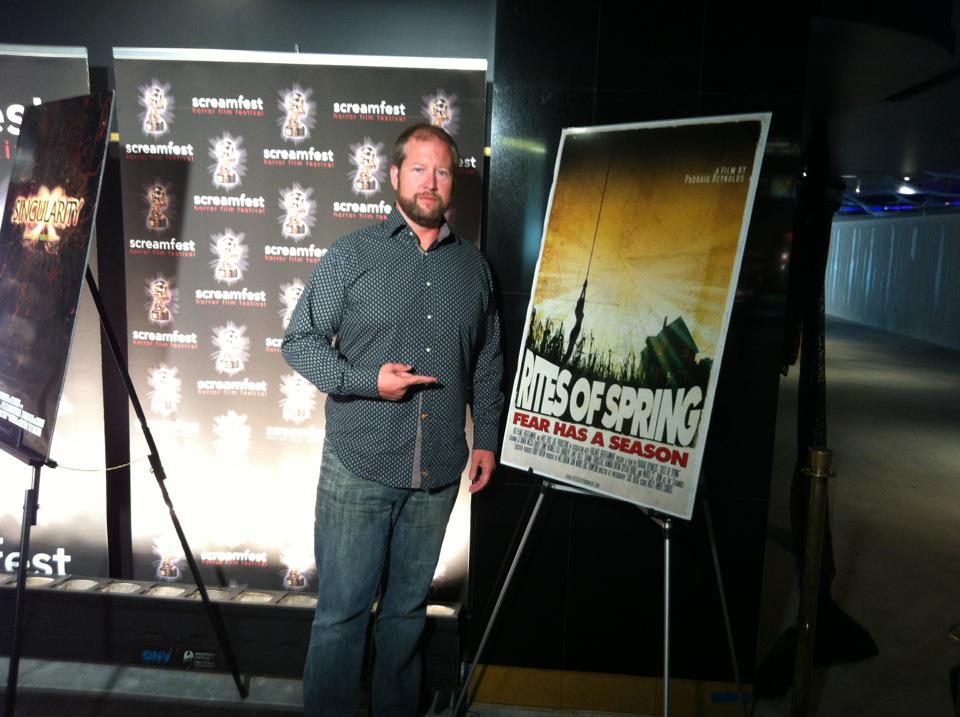
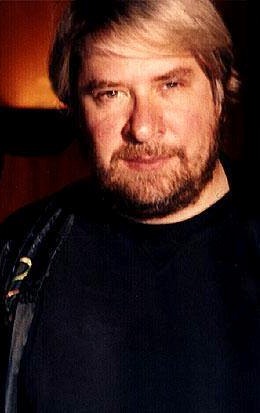
Photo by Walid Azami


Today’s interviewee is a very interesting cat that I am so excited to have featured on the site. In short, he is a very successful film producer out there in Hollywood Land. He’s worked on some rather large projects during his tenure with companies like Maverick and Outlier Productions. But, Thompson was the first to admit, that he never had ambitions to really do anything in Hollywood. He may not technically be considered an artist, yet what he does in the world of film is an art form all in itself, whether he wants to admit it or not. He makes the films you know and love actually happen. Without the likes of a man like this, most of the things you know and love simply can not happen.

I will always be happy to feature folks on TWS who simply have an eye for great work, and who are willing to put in the time and effort (and money, lots of god damn money!) into making a project they believe in come to life. And we are certainly happy to be able to feature one of the best of the best here today. So without further ado, please enjoy some fine words from the amazing E. Thompson.

What was it that initially drew you to the world of entertainment? Did you have different aspirations prior to becoming to a film producer?

This is always an interesting question. I grew up in a very small town in North Carolina. I was in a few school productions. I played the Captain of the Pinafore in fifth grade. I won a few writing contests. I loved to use my imagination. The problem was, I never knew there was a vocation for using it. There was never a discussion of doing anything creative as a career. It didn’t exist there. I ended up going towards sports in high school, but privately I was still looking for a creative outlet. The path I took to entertainment was a bit of a strange one. I was asked to come to Los Angeles by a friend to do some body guard work because of the body guard work was I was doing on the East Coast. Once I came to Los Angeles, I never left. I worked for some of the most prominent rappers at the time. That led to me working very closely with Arnold Schwarzenegger and Madonna. When Madonna and Guy decided to scale up the film company, I was hired to be an executive there because they trusted me. Also, in case one of Madonna’s world class stalkers showed up.


When did your work with Maverick begin? And how was this experience for you?

I started at Maverick in the very beginning when Guy and Madonna decided to rebrand MadGuy Films into Maverick Films. I had a previous working relationship with them as I mentioned before. It was an invaluable experience that cannot be replicated. It was a moment in time we will never see again. It was toward the end of the spec market and the beginning of the usable internet. Coupled with emergence of digital filmmaking. It was like being present for the Big Bang. It was the convergence that gave birth to the new media and ever-changing platforms we see today. It was a great time in the history of filmed entertainment.

And when and how did Outlier begin? What encouraged you to create this company?

After Maverick Films ran its course, I was putting together independent films. I was beginning to miss the team atmosphere we had at Maverick. I had recently just worked with Mark Morgan (former CEO of Maverick) again on an independent film he put together. He has a great eye for material and brilliant at development. We decided to team up and put together some youth driven content for film and TV.


When you are either researching or seeking out a project, what would you say are your initial wants and/or concerns? What are the aspects that, to you, make up a great film?

Genre’s differ, but most of it comes down the story told. A good comedy or drama should have key story notes that you relate to. Feelings that you have felt, or new feelings you didn’t know were possible. You are taking a ride and ride has to keep you engaged. We often talk about something that “takes us out” of a story. This means a misstep or a lull that disengages you from the ride. When this happens, it is almost impossible to get the audience back. It’s flawless story telling that makes a great film. That’s why what you don’t see on the screen is just as important as what you do see. I also look for high content films. You can make the most mundane subject matter high content if you have a good twist or a new and compelling perspective on it.

According to my very intense research, meaning I looked on IMDb Pro, I understand that you portrayed one of the illustrious Foot Soldiers in the original Teenage Mutant Ninja Turtles film back in 1990. Can you tell us a bit more about this experience? What was required of you as a Foot Soldier?

Well, there is that. I started in martial arts when I was ten years old. When they started shooting Teenage Mutant Ninja Turtles a few towns over in Wilmington, NC, it was a huge deal. It seemed liked a fun creative outlet that I could take part in because of my martial arts experience. I remember everyone thought this was their big break. I didn’t think anything of it. Hollywood could have been on Mars for all I knew. I just did it because it seemed cool. I wish I had Hollywood aspirations back then. I would have done a flying side kick through the window of the Producer’s trailer and gave the battle cry, “Make me a star!”

When the rapture/apocalypse finally takes most of us out, what will you be happy that you left behind thus far? What would you like to have added to history before people like you and I surely perish?

My son, he’s my immortality. Other than that, I am never satisfied with anything I do and always want to do better. So what I want to leave behind hasn’t happened yet. I’ll know it when I see it, and I hope I see it.

So, what does the future hold for you? Any projects coming up that you would like our readers to know about?

Yes, I am teaming up with an already established film company outside of the United States to head up their office here. We haven’t announced yet, so I can’t give all the details. I am also very excited about a thriller remake we are developing from Brazil.

What was the last thing that made you smile?

I just told my son that I was doing an online interview and he looked up from watching YouTube on his iPad and said, “What evs.”

Sean Stone [Interview]

sean-stone

Sometimes you can get the feeling that some people are just born to be influential in their own ways. It can sometimes feel like some people have a hereditary disposition that leads them to do great things. Others it may simply be influence and the lifestyle in which they are brought being positive and enlightening. Or it’s neither, and nowhere close to either of these things. Who really knows? We are all individuals in our own right, and we all create our own destiny in the long run. But, it seems to be far too much of a coincidence that sometimes the spawns of great people are able to create even better versions of themselves. Individuals developing individuals. For better or for worse, this really does seem to be the often times very confusing state of things.

Sean Stone has been appearing in legendary films before he can even rightfully remember. And as he grew older, his acting ability never faltered, but it has been behind the camera, and amongst the world of news media, that he has really came out into his own. Shocking at times, but always informative and intelligent, Stone manages to bring real and genuine stories to life that not only must be told, they are stories that NEED to be told. His beautifully developed A Century at War is the sort of film that needs to not only be watched, but taught in an academic setting. It is not only informative, it is absolutely compelling. With a film like this, and his work on the show Buzzsaw, Sean is consistently bringing the world into a different light, one in which we should have always known, but often times just refused to notice.

So, we are very excited that Sean was able to take some time out of his busy life to answer a few questions for us here at Trainwreck’d Society. We discuss his childhood memories on set, the strangeness and joy of working with the likes of the great Rodney Dangerfield in a surreal setting, and how he is attempting to change the world for the better, whether he notices it or not. So please enjoy so great words from the amazing actor, writer, director, and so much more, Sean Stone!

When did you make the decision that you wanted to join the world of acting and filmmaking? I know you may have had an obvious influence, but when did YOU decide that this was going to be the world you wanted to live in?

Well, I was ‘acting’ before I understand the concept, as a child in films like Wall Street, The Doors and JFK. After JFK I auditioned for Searching for Bobby Fisher and quickly realized memorizing dialogue was not my forte at 8 years old. I didn’t particularly enjoy being in the spotlight, so I was happy that I didn’t get the part. Ultimately, I’d say being on set at a young age didn’t get to my head; I maintained a normal childhood, with school and friends, away from Hollywood. I think that was the greatest blessing of my childhood, that I didn’t become enamored with the celebrity lifestyle, instead focusing on school and going to a good college. But even in my teens, I did love to write scripts during the summer; creative writing was always a means of expression for me, that I believed would ultimately lead me to making movies. I just wasn’t sure how long it would take to be able to have that opportunity because it’s one thing to write a script, or many scripts, and it’s a much tougher endeavor to actually get that script produced and made.

So, you have been making appearances in in film’s since before you could even walk, but what was your earliest experience on a film set or location? And what was it like being around that kind of setting at such a young age?

Even though I was 6 months old in Salvador, my first memories would have been on the set of Wall Street when I was 2. I just remember this massive sound stage, and all that candy on the catering truck was certainly appealing. But there was this larger than life feeling to a movie set – and especially considering my dad was making war films like Platoon and Born on the 4th of July – you had this sense of awe at the toy guns and fake blood, and what seemed like hundreds of people all moving in an organized chaos toward that moment when they said, “all quiet on set.” It was a saner version of All Quiet on the Western Front.

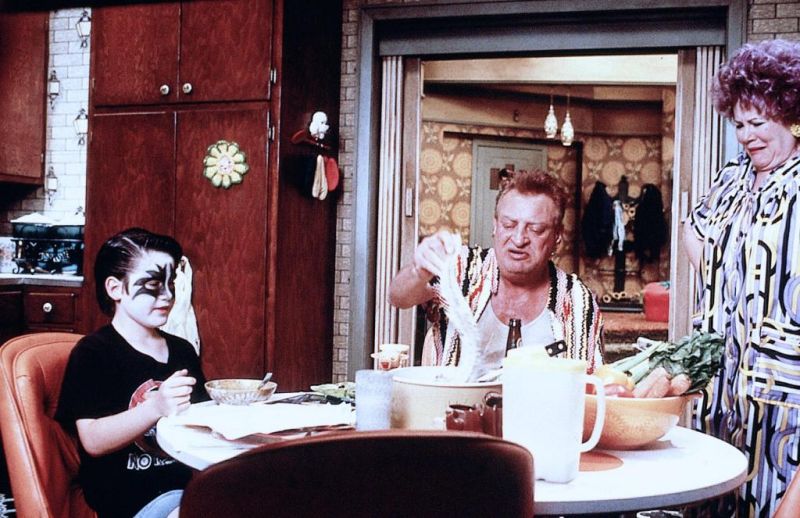
You were a part of one of the most bizarre movie sequences in film history, in my opinion, as Kevin in Natural Born Killer alongside the likes of Juliette Lewis and Rodney Dangerfield…and you were like 9 (10?) years old! That HAD to have been insane? What was that like for you at that age? And how much therapy was require for you to recover from it?

Well that’s a funny scene because it was obviously super camp, with the KISS make-up and the shoe in the soup. But it was not done in a way that a 9/10 year old would understand the undertones of the sexual abuse by the father. I think Rodney was more concerned about the dialogue than I was; it’s like the kid who doesn’t know what sex means so he laughs along with everyone else to not look like a fool, when really, he has no idea what you’re talking about. The most interesting take-away from that scene, though, was this dialogue with my dad after Mickey and Mallory have killed our parents; my dad and I were brainstorming [about] what happens to Kevin? Should he pop up with them later in the story, like he came along on the killing spree!?

sean-stone-nbk


And being a huge comedy fan, and knowing I will never have the chance to meet him, I have to ask….How was Rodney? Was his stage persona similar to his real life one?

He was very sweet and funny in my recollection. I only spent a few hours with him, but I know my dad had a great time with him, so that’s a good indicator.

How did you find yourself working on your spectacular news program Buzzsaw? What inspired you to go down this road?

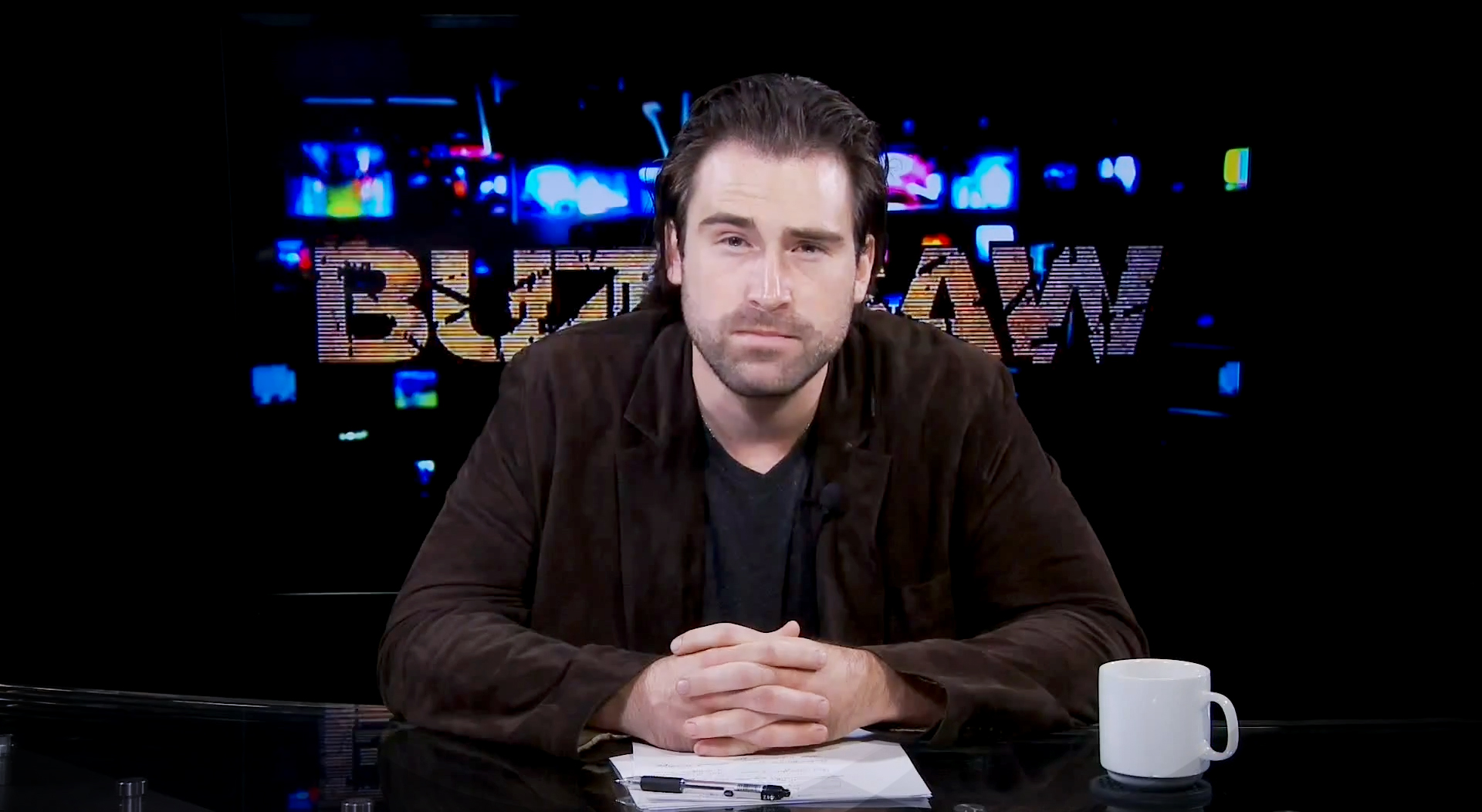
Buzzsaw was the spawn of Conspiracy Theory with Jesse Ventura. I had been approached by Mel Gibson’s son Will who was producing for this online channel The Lip TV, and they were looking for content. Ultimately Tyrel Ventura, Jesse’s son and my co-host on Conspiracy Theory, came on with me and his co-host Tabetha Wallace to create Buzzsaw as an alt-news channel. Buzzsaw was essentially picked up by RT America to become Watching the Hawks, where we continue to do news commentary. And then Buzzsaw now lives on Gaia.com, where I continue to probe fascinating interviews, a la Conspiracy Theory, into questions that I have, in topics ranging from the occult and esoteric to conspiratorial and extraterrestrial.

sean-stone-buzzsaw
Would you mind telling our readers, who may not be familiar, about A Century at War? And why do you think it is important that people see it? 

A Century of War is a documentary produced and released by RT on our Watching the Hawks show. I created and directed the documentary because I was curious to investigate the forces that had led to America’s de-industrialization and infrastructure decay. I felt that we had sacrificed our physical economy for the financial economy typified by Wall Street and the bail-outs of 2009, which turned these already monolithic international banks into structures that are now too big to fail, too big to jail. But in order to understand the financialization of what used to be a science and technology driven industrial economy, we have to look at the emphasis America has placed on permanent militarization to defend its access to resources abroad, particularly oil, which has created the petrodollar economy. And all of this history is important, because it justifies Trump’s platform to ‘make America great.’ The point is, there are legitimate grievances and problems with the structure of the US economy, even if the mainstream media will never admit it, because they’re owned by the same corporations that profit from making the world purely globalized at the expense of the national middle and working class economy.

If you were handed the rights to create the biopic of any world dictator in history, who would it be? 

Ha. I’ve never been that interested by dictators. I’m much more interested in the occult ‘powers behind the scenes’. I’d be more interested in a true story about the Rothschilds than Napoleon, for example.

What does the future hold for you? Anything you would like to plug here?

People should keep an eye out for the martial arts comedy Enter the Fist. We’re working on distribution, so I’m not sure which platform it’ll be released on, but it’s an outrageous satire of the ’80s action hero film. And given the polarization of left and right, and the media’s emphasis on political correctness, I guarantee this film will offend everyone, but make you laugh…

What was the last thing that made you smile?

The last thing that made me smile was that I [initially] missed this question, so I had to laugh and smile at my mistake 🙂

Juliette Goglia [Interview]


goglia_headshot1

Today’s interview is with a fine young actress that you either already know well, or are definitely going to be hearing about in the future. Juliette Goglia came to my attention a couple of years ago on the sitcom that was cut way too short, The Michael J. Fox Show. And I will say with all honesty that it was Juliette’s portrayl on the show that made me love it so much. And when the show didn’t come back around, I kept the warm feeling that I knew I would see more of Goglia in the future because of what this amazing show could do for her career. And I feel like I have been correct thus far.

Juliette Goglia has continued to stun audiences since the show ended, as she did before hand. At a very young age, she was God. Well, not literally, but she brilliantly portrayed a character that would called Little Girl God in the critically acclaimed series Joan of Arcadia at the astonished young age of 7, but played with the grace of an adult. Not to mention brilliant roles in films like Easy A and Cheaper By The Dozen 2. Juliette is definitely a child star turned actress to look out for in the future. With such raw talent and passion, she is a wonderful addition to the gathering of young Hollywood actresses that we are fortunate to get on our humble site at times (i.e. Shanley Caswell and Tara Lynne Barr).

So with that, please enjoy a few words with the amazing actress, Juliette Goglia!

You started in the world of acting at a very young age, so what is earliest memory as an actress? And how did you find yourself interested in the business?

I started acting when I was about 6 or 7 years old. I grew up in a very artistic family: my dad is a painter, my mother is an actor, my sister acts and sings as well, and my brother is a musician, so when I decided I wanted to go into film and television it was no big surprise. Luckily, I grew up in California, so my parents were able to support me in my dream and I started auditioning. While I don’t remember many things from my early childhood, I feel like I remember almost every experience I’ve had on set with crystal clarity. One of my earliest memories was playing Little Girl God on the critically acclaimed CBS drama, Joan of Arcadia. Jason Ritter was filming the scene before me, and his character had to be smoking cigarettes. At seven years old, I had the BIGGEST crush on Jason. He talked to me just like I was an adult, he didn’t belittle me or ignore me because I was a little kid. I remember sitting next to him in our cast chairs and him telling me how disgusting cigarettes were. He told me he never smokes and hated that he had to for the scene. Looking back I think it’s so cool that he imparted such great advice to a seven year old girl. It stuck with me too.

Your role as Little Girl God in Joan of Arcadia was a pretty heavy role to take on at such a young age. What was this performance like for you? How did you process such a situation at such a young age?

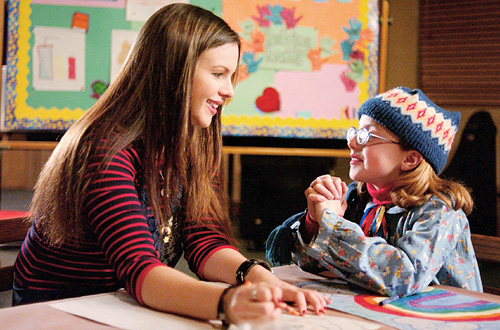
Having my first television role be playing “God” was pretty hilarious. Everyone always asked, “So where do you go from there?” Originally, the role was written for a 10 year old, but my manager got me in the room anyway. Growing up, I always got along better with adults and was constantly told I had an “old soul.” Furthermore, it seemed that all roles for 7 year olds were written rather blandly. They would just be a kid eating cereal, with no intellect, or a bratty kid. When I saw the incredible writing by Barbara Hall, the audition was a breath of fresh air. It was written so beautifully and with such complexity, that it felt like the perfect fit in a weird way. And although I was three years too young for the role, I think the creative team really liked the dichotomy of such sage advice coming out of a 7 year old’s mouth. So while it was the most difficult dialogue I’d had to memorize at that age, it was an exciting challenge and to this day it’s one of my favorite roles I’ve ever had the privilege of playing.

juliette-goglia-joan-of-arcadia5

And when was it that you decided you wanted to make the business of acting a lifestyle and career? 

Since I started so young, most people always wonder if my parents “pushed me into the business.” However, it was always my choice. When times were tough going through rejection or struggling balancing work and school, my mom always said to me, “The second you want to stop, just stop.” I never wanted to stop. There was never a moment in my life where I made the decision to make this my career because in my head, there was never any uncertainty. I have always loved performing, whether it be acting, singing, or dancing. Although it’s a difficult field, nothing makes me happier than being on set and getting to do what I love. And when I’m not working on a project, I’m always in class, continuing to work on my craft and making it my lifestyle.

I absolutely adored The Michael J. Fox Show during its short run, the family dynamics worked so well for me. How was the experience for you? 

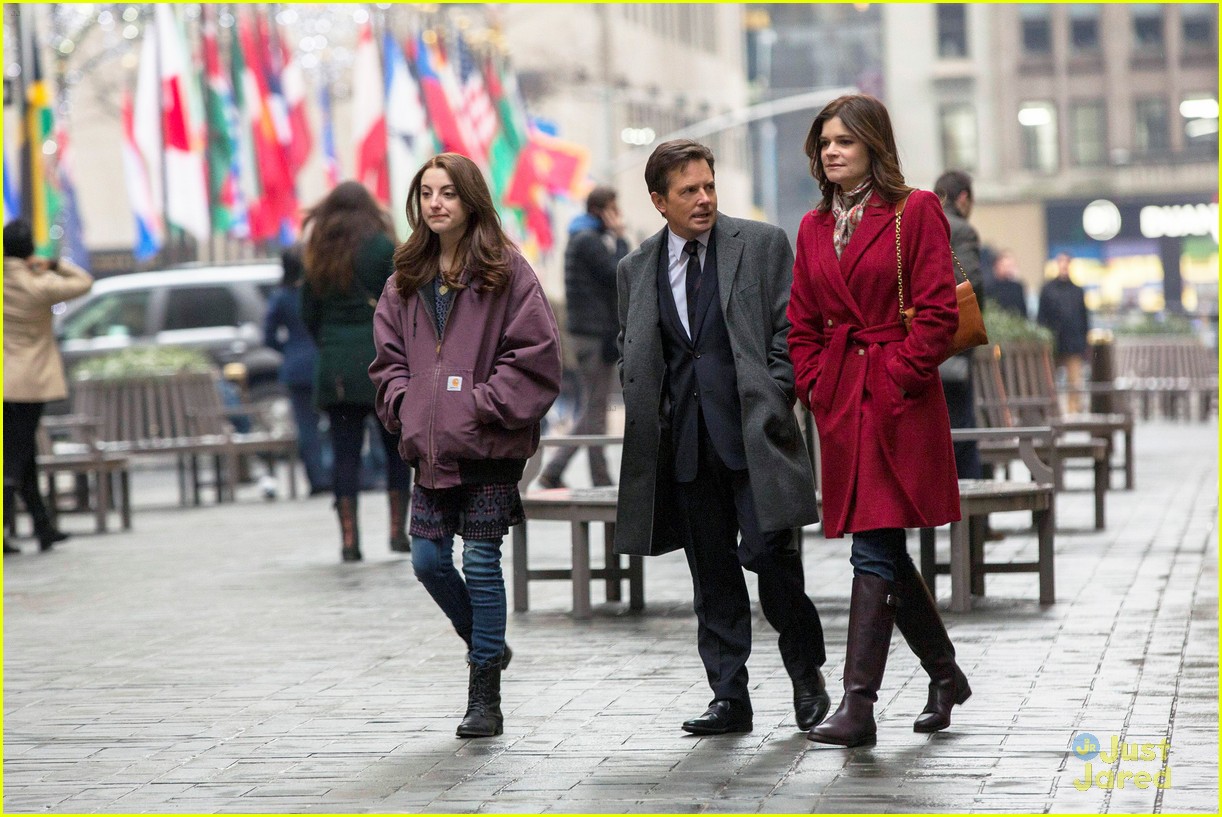
Thank you so much! That makes me so happy. Working on The Michael J. Fox Show was literally my dream come true. First of all, it’s Michael J. Fox… come on. It was always surreal to be working with such a legend and truthfully the kindest man I’ve ever met. I loved the project because it mixed amazing wit with real heart. The pilot was unlike anything I had ever read. I understood and loved the character “Eve.” Upon booking my dream role, I had to finish high school early (missing my graduation and prom!) and move to NYC! Although all 22 episodes didn’t air, filming them was a work out. The hours were insane and the pace was lightning speed. But Michael really helped create a familial environment on set. Betsy Brandt, Katie Finneran, Wendell Pierce, and the entire cast and creative team were honestly the best. And I loved getting to play this quirky, intelligent girl who was figuring out who she was while having a famous dad struggling with a nasty disease. It was an honor to be a part of telling a story that needed to be told. So many people who have family members affected by Parkinson’s Disease continue to tell me how important the show was to them. That part of the job is the most rewarding. Being able to move people and make them laugh… nothing’s better than that.

THE MICHAEL J. FOX SHOW -- Pilot -- Pictured: (l-r) Juliette Goglia as Eve Henry, Michael J. Fox as Mike Henry, Betsy Brandt as Annie Henry -- (Photo by: Eric Liebowitz/NBC)

THE MICHAEL J. FOX SHOW — Pilot — Pictured: (l-r) Juliette Goglia as Eve Henry, Michael J. Fox as Mike Henry, Betsy Brandt as Annie Henry — (Photo by: Eric Liebowitz/NBC)

While you are killing it in the world of acting, have you had any aspirations to getting behind the camera in the world of directing or writing?

Thank you! I definitely have interest in writing, directing, and producing. Everyone is creating their own content these days, so I have been dabbling in screenwriting. I took a course at USC which I loved, and my sister and I have been toying around with the idea of writing a series of our own. Directing would be such a dream… The ideal world would be to be on a successful television series for a while and then progress into directing some episodes. There are more and more women directors in film and television today, and I hope in the future to continue that trend.

What is the role you are most yearning for? What do you feel will be your pinnacle moment of accomplishment as an actress?

Truthfully, I don’t think I will ever be fully satisfied with my career or accomplishments, and I think that’s a good thing. I always want to be doing more. With that said, I would love to be on a series on HBO or Netflix or the likes of that. It would be amazing to incorporate my singing with my acting as well. With movies like La La Land, I feel musicals are gaining in popularity. Being able to portray strong, competent, funny women is always the goal and hopefully I can touch viewers and inspire young women to pursue their goals.


What is one of your more recent memorable and meaningful roles and why?

In the past year, I filmed a role on a legal drama that was extremely important to me. The episode centered around on-campus sexual assault and my character was a rape victim. This was one of the first times in my career that I felt like my acting could make a difference, firsthand. My character testified in court and had to relive her rape. It was one of the most difficult roles I ever played but thusly, one of the most important. I believe it is the responsibility of art and artists to tell the difficult stories and to shine light to things that are too often left in the dark. I felt it was my duty to give a voice to all the women across the world who have experienced sexual assault and I hope that I did them justice.

What was the last thing that made you smile?

So, my boyfriend doesn’t watch much TV. He and I watched the first episode of The People vs. O.J. Simpson the other night. The next day, he helped me go apartment hunting and we viewed one where the TV was on. After we left he goes, “Babe, I think the guy who plays Robert Kardashian was on that TV show in there acting with Jennifer Aniston.” #friends #friendsdontletfriendsnotwatchfriends

Steve Skrovan [Interview]

steve-skrovan

Okay people, I know we have a said this before, but we really have a good one for you all today. Today, we have an absolute legend feature here on these humble digital pages. Today we have some words from a man who has behind some of the greatest comedic gifts ever given to the world. Today we are featuring the amazing comedian and comedy writer Steve Skrovan.

Steve Skrovan is a guy who obviously knows what the hell it means to be funny. He has written for some of the greatest sitcoms of all time. Notably, you will definitely know (or read about for the first time in this article, maybe? Not sure that’s possible) shows he has worked on like Seinfeld and Everybody Loves Raymond. But, there is so much more to this man than you can even begin to comprehend. Personally, I knew why I wanted to talk to this cat. Obviously he has worked on some of the finest shows that we all know and love, but he also worked on one of my favorite sitcoms that just didn’t quite make it, War At Home. The idea that he was working on this show alone is what drew me to his work in itself.

And as we always hope, he is an amazingly charismatic dude who was so kind to actually take some time and answer our questions honestly and with so damn much class. I seriously can not say enough good shit about this guy. So how about I stop rambling on, and let you get into the actual words from this genius. Ladies and Gentlemen, please enjoy this amazing interview with the legend in his own right, Steve Skrovan!

When did you initially get drawn to the world of comedy? What were some of your earliest influences?

After college, I was living at home in the small town I grew up outside of Cleveland, not knowing what I wanted to do with my life, hanging out in my parent’s basement. I had been a football player and an English major at Yale. I wasn’t good enough to go pro and had no interest in graduate school or working in a “real” job. I had moved through my school years pretty easily, but now for the first time in my life felt lost, not knowing what the next move was. I had some notion about being a writer of some sort but had no idea how one went about that. Almost a year after I graduated I came upon an ad in the Cleveland paper advertising “The Cleveland Comedy Club.” I had never heard of such a thing. This was in the first months of 1980 when downtown Cleveland looked post-apocalyptic. There was not much down there but some dingy strip clubs and this old Greek restaurant that these four young guys had turned into a comedy club. I started going down there as a patron and seeing guys (mostly guys) around my age, (Bob Saget, Jimmy Alleck) even some a little younger (Dave Coulier, Mike Binder) doing stand-up. I was enthralled. Loved it. Was a great laugher. Then I noticed they had an amateur night on Sundays, so I signed up. The idea was to bring a bunch of your friends, because the winner of the fifty-dollar prize was voted on by the audience. I wrote some material, brought a handful of friends and was terrible. But everyone else was worse, so I won the fifty bucks. More importantly, I caught the bug. Couldn’t stop thinking about jokes and what might be funny. I came back two weeks later. Did much better. But some other guy brought more people, so he won the fifty bucks. After that second time, though, one of the owners of the club, Dino Vince, offered me a job as an emcee, Wednesday through Sunday for thirty-five dollars. I took it. Just loved the whole creative process, the audiences, the atmosphere, the collegiality, the way comedians observed and interpreted the world. It turned out to be the very embryonic phase of what became known as the Comedy Boom of the ‘80s. After six months, I moved to New York City, where my girlfriend (now my wife) was living to pursue it as a full-time career. Where the Cleveland Comedy Club formerly stood is now second base at Progressive Field where the Indians play.

Only in retrospect did becoming a comedian make any sense. Because when I look back on my childhood, a lot of my most enduring memories had to do with entertaining people, whether it was putting together a funny story using that week’s spelling words in fifth grade and reading it in front of the class, or singing “I Left My Heart in San Francisco” in the living room for my aunts and uncles, or even being an altar boy lector when it was my classes’ turn to do the Stations of the Cross. Growing up in what was essentially farm country in the Midwest, I had no idea people could actually do this for a living. And up until just recently, when someone would ask me about my influences, I would name the usual suspects, George Carlin, Richard Pryor, Bill Cosby. But when I really think about it, I have to say my biggest comedy influence was my dad, Clarence Skrovan. He was a businessman – a salesman and a plant manager – very outgoing guy, good with people, not afraid to speak in front of a crowd. And he was always asked to emcee the church’s fall fundraiser or the local town festival. I watched him up on stage doing that. I memorized jokes from the joke books he would buy in preparation for those events. I absorbed how he told stories at neighborhood picnics. He had a booming voice and a hearty laugh. So, after all these years, it finally occurred to me that all this time I’ve been doing my dad.
seinfeld2

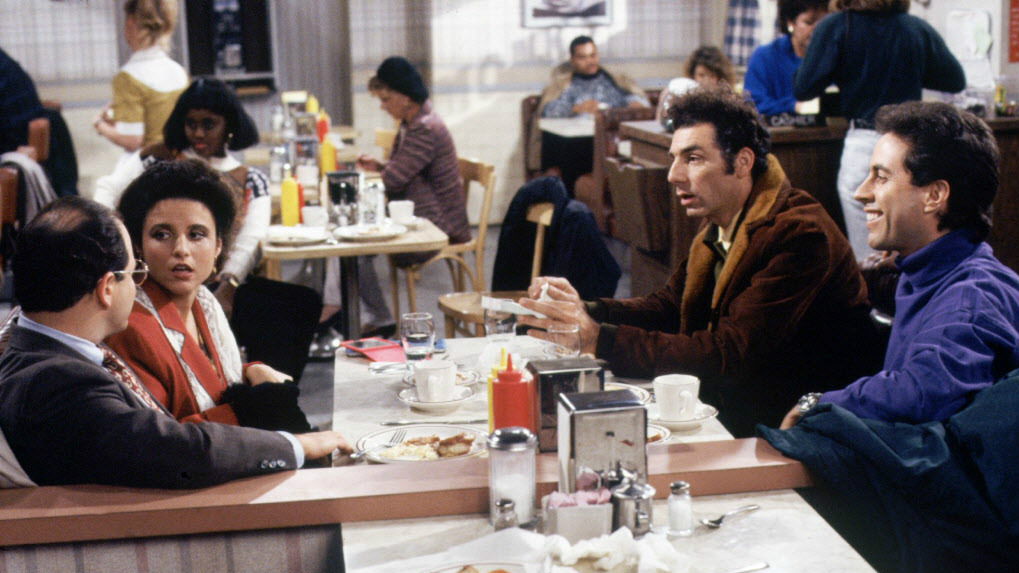
You were a program consultant during the prime times of Seinfeld, back in the early 90’s, which was a show that definitely changed the way we watch television today. So, what were those early days like? Were you aware that you were molding the future? And most importantly, were you have a good time?

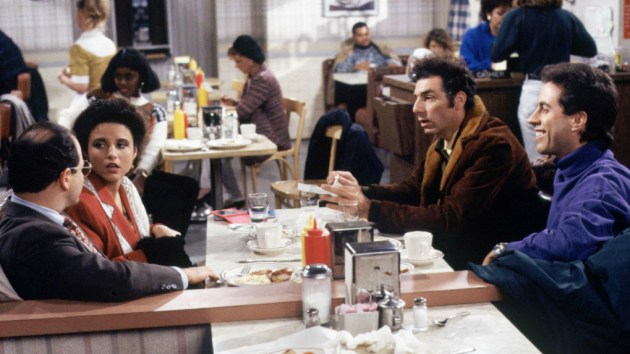
I had known Larry David from comedy days in New York. Before season 4 (the year they did the show about the show), he offered me and three other comics he knew from that time, Jon Hayman, Bob Shaw and Bill Masters a job. Our job was not to write scripts per se, but to be a “think tank” for Larry, come up with premises that he could turn into scripts. I have to say, I wasn’t so much a writer on that show as someone who was auditing a master class. Most of my contributions were by mistake, saying something dumb in the writer’s room like mispronouncing the word “Svengali” and finding that Larry had put it into a script. Or one time, Bill Masters and I were pitching to Larry at his house, because he had taken ill. In the middle of our pitch, he excused himself to go to the bathroom. Bill and I turn to each other, thinking that it’s going pretty well until we hear Larry very loudly throwing up in the toilet for what seemed like fucking forever. When he comes out of the bathroom, he says, “I don’t know about your story, but this scene is pretty funny.” And sure enough our idea never saw the light of day, but that vomit scene made it into the episode where George and Jerry are pitching their pilot to the NBC exec played by Bob Balaban. So, I can take absolutely no credit for “molding the future” of TV comedy then or any other time. I was more of an accidental tourist, a spectator to a very exciting time when the show went from cult hit to top ten “Must See TV.” The only thing I will take credit for is blurting out “Mulva,” when we were pitching on potential names that rhymed with a female body part. I have Larry to thank for giving me my first writing job and teaching me so much in that season I spent on Seinfeld.

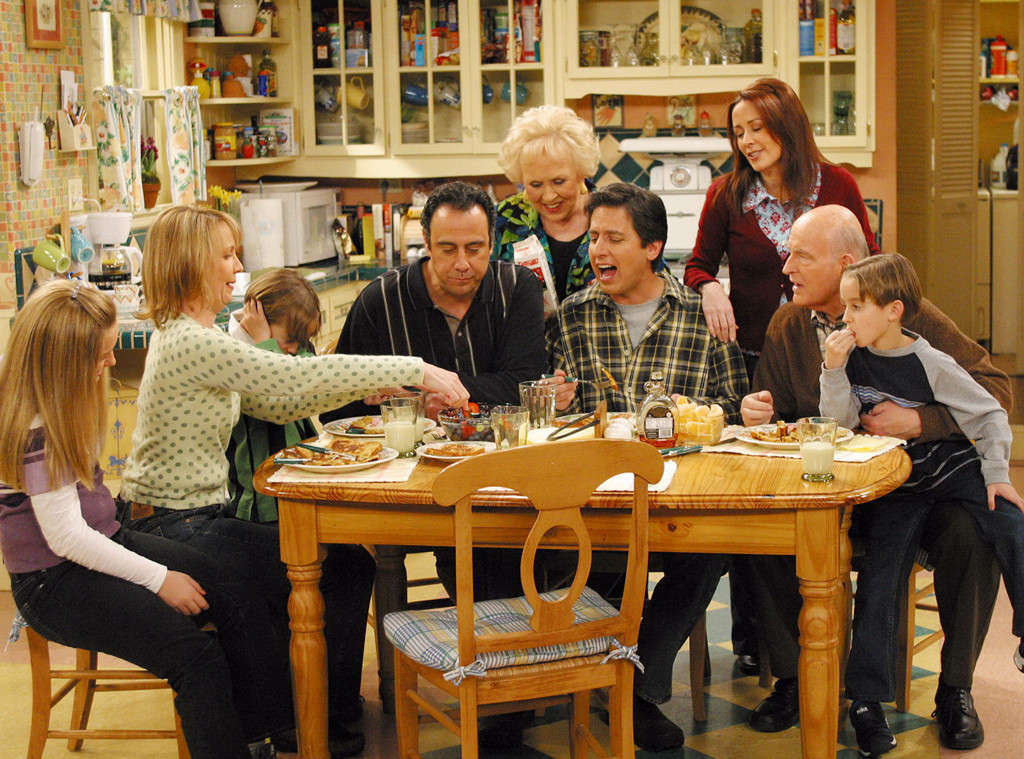
As a viewer, the reasons behind the great success of Everybody Loves Raymond are very obvious. It was basically the perfect sitcom. But, as a man on the inside, who was there for the whole damn run, what is it that you believed made this show such an amazing success? Basically, what were some things that the common viewer may not have realized that were making this show so great?

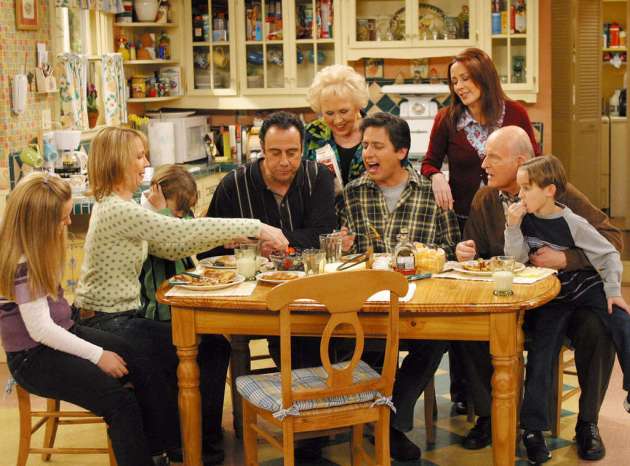
Phil Rosenthal, another writing mentor, albeit younger than me, was a television savant. And he always insisted that the episodes “be about something.” He always wanted to do a show like his favorites, The Dick Van Dyck Show, The Mary Tyler Moore Show, All in the Family. Like those shows, every episode we did was based on some real story or actual relationship issue that had occurred in the life of the writer. In fact, during the run of the show and for sometime afterwards, we would get booked to do “Inside The Writer’s Room” panels. We would sit on stage in front of an audience, pick an episode, tell the audience the story of the real event or conflict that inspired the episode, then show a clip of the show. The greatest compliment we could get was when someone would say, “You must have had a camera in our house. That exact thing happened to us.” That’s why the show always rang so true. That, and the fact that we were too lazy to make shit up.
everybody-loves-raymond

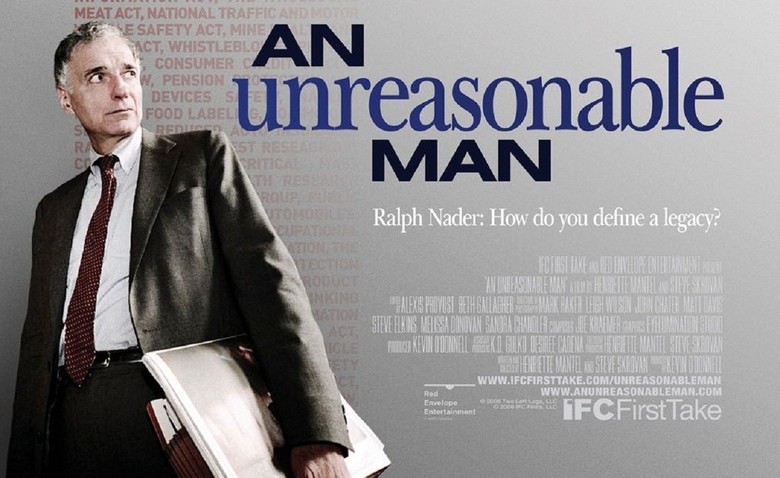
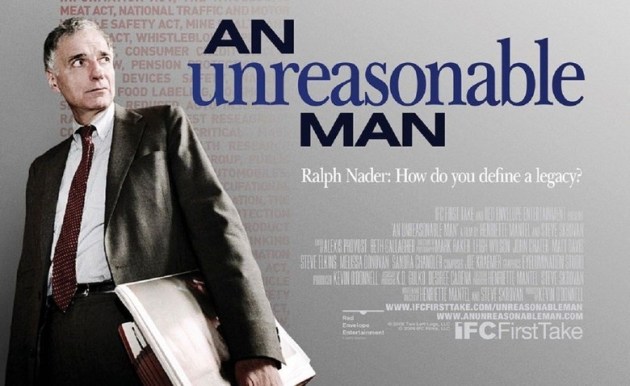
Watching your amazing doc, An Unreasonable Man, about Ralph Nader, feels like more of an experience to be had rather than just a film, especially in these new trying times. How did the idea for this film come about? What drew you to create a film about Mr. Nader?

It started as a sitcom idea. My friend, Henriette Mantel, a comedienne from ‘80s New York comedy days had worked for Ralph as an office manager in the late ‘70s early ‘80s. In the bar at Catch a Rising Star she would tell me stories about working for Ralph. I told her at the time that maybe there was a show in that, a public interest office where anyone could come in and start a story. I wasn’t even a writer back then, still just performing. Flash forward fifteen years later, I’m in the middle of the Raymond run and have a development deal. They don’t like the first idea I pitch, and I don’t want to tell them I don’t have a second idea. A couple of weeks later, I happen to run into Hen, who I hadn’t seen in years. By this time, most of my New York comedian friends had migrated to LA. That’s one of the pleasantly quirky things about this career. One by one, most of your friends end up moving across the country with you. I asked her if she had ever done anything with her Ralph experience, and she started telling me more stories and introducing me to people she knew from that time, who would also try to relate the funny human stories about working for Ralph. In the meantime, I started reading about him. I had been aware of him growing up but really didn’t know much about his history. I had voted for Al Gore in 2000. Ralph was nowhere on my radar. The more I read, though, the more I was amazed at all he had accomplished and intrigued by the fact that everyone was now so mad at him. This is three years after that 2000 election. I thought that was an interesting arc. How does someone go from folk hero to pariah? This is one of the most influential men in American history and no one has really told this story. Here I was with access to him through Henriette. He trusted her. So, I put the sitcom in my pocket, and we set out to make a documentary, which of course I had no idea how to do. Less than three years after that encounter with Henriette, we were at the Sundance Film Festival. The film was then shortlisted for Academy Award consideration, given a nationwide theatrical release, shown on PBS’ Independent Lens and is still available as a two-disc DVD and for streaming. Completely changed my life in terms of how I view history and the current political landscape. And now every week, I co-host a radio/show podcast with Ralph called “The Ralph Nader Radio Hour.” Every week for the past three years, I get to talk to this living legend about what is going on in the world. Turns out I went to graduate school after all. Nothing ever happened with the sitcom idea, but my favorite part of the movie is still the part in the middle when we take a break from all of the issue oriented stuff and interview the people who tell the funny, human stories about what it was like to work for Ralph.
an-unreasonable-man-images-70480e89-c63d-4eda-91e8-bc569649b01

I absolutely adored the far too short run of The War At Home. It was downright hilarious in my opinion. Can you tell us what your role was in this now cult classic program? And did you enjoy your time working on it?

I did enjoy my time on that show and really liked the other writers. It was a short time, though. I came on in the second season and was about to be let go after thirteen episodes when Brad Garret called me to come over to the new show he was doing called Til Death. Fortunately, I didn’t lose a day of work and actually got a bit of a raise, so it all worked out. That’s one of the things that most people don’t realize. Even someone who has had a relatively “successful” career as I have been fortunate enough to have is not immune to being fired. That’s the fate of many “successful” writers. Most of us are either getting fired or our shows are getting cancelled. They say that the business is 99% rejection. But even when you’re successful, it’s still about 90% rejection. You’re getting fired. You’re getting cancelled. No one buys your script. Or if they do buy your script, they don’t make it a pilot. Or if they do make it a pilot, they don’t pick it up to series. To thrive in this business you not only have to accept that, a big part of you has to be excited about living on that edge, that edge of possibility that more than likely results in failure.
In your personal opinion, what would you say is the ultimate highlight of your job? What is it about your work that truly makes you feel wonderful?

I think it all comes down to laughing. That’s the basic unit of measurement. Either making someone else laugh or someone making you laugh. So, if you’re lucky, your day is punctuated by lot of those little highlights.
I have had and expressed my opinions that stand up comedians and comedy writers are the true philosophers of our current times. I have theories, but I am just coming from the side of a fan. So in your professional opinion, why do you think it is that people take the wisdom of funny people to heart?

I think the ability to make people laugh is a very powerful skill. Because, a laugh in a lot of ways is a mating call. It is a point of crystallization, a clear moment of understanding. You can’t laugh if you are confused, if what is being said is unclear or out of rhythm. I have met some powerful people in my life, politicians, presidents of universities, captains of industry and they are fascinated by what I do. They all want to be able to do it. What could be more heady than walking into a room full of strangers and demanding their attention in a situation where you do all (or most) of the talking? You are conducting this orchestra of laughter. And each wave of laughter is telling you that they “get it.” They understand what you are saying. You are getting through to them. That’s a super power.

Not all funny people are wise. And we aren’t all philosophers. The good ones are good at boiling things down to their essence and putting it in terms you understand. That doesn’t always make for good philosophy, which is often more complex and ambiguous than can be communicated in a joke or even an hour long routine. If we are good at anything, we should be good at saying the things that you dare only think and in so doing remind you that you are not alone.

One question we have to ask any of our interviewees who happen to have some shiny things in their resume is this….Where do you keep your Emmys? And does their place have any significant meaning?

My Emmys are on a shelf in my office at home, which used to be my daughter’s bedroom. They sit near pictures of my mom and dad, who without their love and support, I wouldn’t be where I am in life.
So, what does the future hold for you good Sir? Anything you would like to promote here?

In the spirit of my eclectic career (some might say “checkered”) I would encourage you (especially if you have kids) to watch the Nickelodeon show I write for now called School of Rock. And also listen to “The Ralph Nader Radio Hour,” which you can download on iTunes, Stitcher or anywhere fine podcasts are given away for free. Or go to ralphnaderradiohour.com.

What was the last thing that made you smile?

Just now after reflecting on my career and then looking up at my Emmys when you asked that question and seeing the pictures of my mom and dad, Toni and Clarence.

Rachael O’Brien [Interview]

rachael-obrien-2

As you may have noticed in the last few months, we have become obsessed with the world of stand up comedy. And even more, we are thrilled by the idea that there are more and more amazingly talented female comedians popping up these days. And today, we have a brilliant interview with a woman who is exactly that. Rachael O’Brien is a brilliant young comic who has a lot to say on and off stage. She has a great podcast called Be Here For A While… that is an intriguing look at what it means to be young and living in the L.A. scene. for those of us so far removed from that scene, her podcast is as informative as it is hilarious.

So, please enjoy a few words with the amazing comedian, Rachael O’Brien as she schools all of our old asses here at TWS on what it means to be young and talented in today’s society. Enjoy!


When did you decide you wanted to join the world of stand up comedy? Was this the job you always wanted to do? And what keeps you doing it?

I think I always knew I wanted to be in comedy from a young age, but initially I thought it would just be comedic acting. I was obsessed with SNL as a kid and dreamed of moving to New York and doing that when I got older. Obviously SNL is still a dream, but stand-up has become my main focus. I decided to join the world of standup in my early 20’s. I had gone to a grad program at UCLA for screenwriting and immediately fell in love with writing comedy and I wanted to test my jokes out on stage so I tried stand-up. From my first open mic I knew instantly that it was something I needed to do for the rest of my life. I think that’s how you know you’re meant to be a standup comic. If you get on stage and it gets under your skin right away, and you feel almost uncomfortable when you’re not on that stage, then you’re meant to be a comic. If you try it and you can go several months without doing it again, then you’re probably not meant for it. It’s not the easiest business so you almost have to be addicted to it.

What is the comedy world like for a young person like yourself these days? More specifically, a young female in comedy today? Does it sometimes feel like an “Old Boy’s Club”, as I have heard it occasionally called?

There definitely is that part to it, and sometimes it can be discouraging, but only if you let it be. I try not to pay too much attention to that part of it because it’s up to me to create my own future. Plus, I’ve always had a lot of male friends so I enjoy the energy of being around both woman and men and cracking jokes and hanging out at the comedy clubs.

rachel-obrien

Just to dig a big deeper, for those of us who are completely out of the loop, what is the atmosphere of L.A. like for young and up and coming comedians? Is it a bloodthirsty and competitive environment? Or are most of you all out there to help one another do well?

It’s competitive, there’s no doubt about that, but every industry can be. The one thing I’ll say about comedians is that we do often help each other out and bring each other up, it’s sort of how it works. A more successful comic brings a younger comic on the road to open for them, which is an amazing opportunity. Plus we all know what it’s like to bomb on stage so when we see each other at the clubs, we share the same highs and lows and, for the most part, I would say we want the best for each other because we know what it feels like to have an off night.

I have thoroughly enjoyed your podcast Be Here For A While…, especially your conversation with our old friend Nemr. How has the experience of doing a podcast been for you? What do you believe you are doing in order to make it original and unique amongst the plethora of podcasts out there right now?

Thank you so much. I love doing my podcast. It has been a great way to create an hour of new content every week. It’s a challenge and actually more work than I thought it was going to be but I absolutely love it. It’s also so fun to get to talk to your friends about the industry we both love. In terms of making mine unique, I think that I do a good job of finding guests with interesting stories and then also letting them tell those stories. Of course, it’s my podcast and I need to be the main voice of it, but I do think I know when to listen and ask the right questions.

I noticed that you recently completed a massive 3 week tour through Europe for military members, which is always cool to hear as I have attended a few of them. So how was this experience for you? Were the service members receptive to your style of comedy?

It was the best experience of my life. To be able to travel Europe and do comedy with some of my best friends for the most appreciative audience in the world was priceless. They were so receptive and so welcoming and on most bases we got to hang out with the service members afterwards and hear their amazing stories and get to know their life in the military first hand. I would do a 100 more of those tours if I could.

rachael-obrien-be-here-for-a-while

When you’re not writing or doing spots around L.A., what would we find you doing for just a bit of “me” time?

I love trying new restaurants and I’m a huge classic rock music fan. So you will either find me eating, or listening to music in my apartment.

So what does the future hold for you? Anything you would like to plug here?

I’m currently writing a new pilot to hopefully sell, produce, and be in. I’m also planning to put together my first comedy special in the next year. I just want to do more and more standup, acting and podcasting. I don’t think I’ll ever feel like I’ve made it. It will all be a long journey, but I really do love every step of the way.

What was the last thing that made you smile?

An email from one of my podcast listeners.


Casper Kelly [Interview]

12/5/2016 Adult Swim Chris Casper Kelly Photo Jeremy Freeman

12/5/2016 Adult Swim Chris Casper Kelly Photo Jeremy Freeman

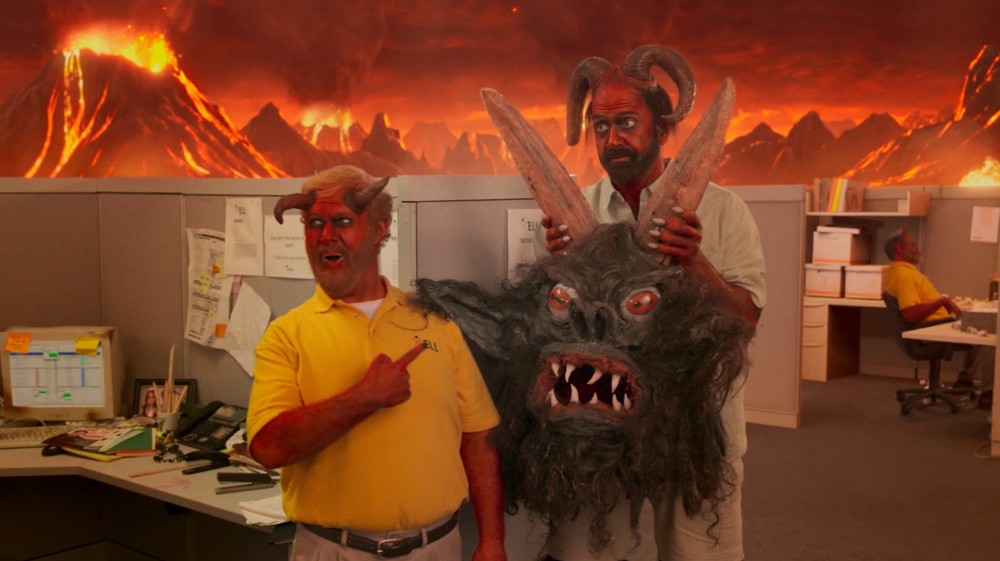
We have an amazing interview for you fine folks today! By some type of possible miracle, we have manage to convince the incredible Chris ‘Casper” Kelly to share a few words with us about his amazing career that is truly just beginning to flourish. Fans of Your Pretty Face Is Going to Hell will know him by name. Others who may not spend much time in the wee hours of the night watching Adult Swim and eating garbage food may not. But, I can almost guarantee they have seen his brilliant short that was a massive success entitled Too Many Cooks. And if you have not seen that one, folks, climb out from under that proverbial rock and get with the fucking now!

All that being said, We are honored that Casper Kelly was willing to be featured on the site, and we are ecstatic to keep following his career that can only lead to even more success in the future. He is the mastermind behind Your Pretty Face Is Going to Hell, which will be returning to Adult Swim in April. And if you are so out of the loop at this point, please watch the video following the amazing words only if you want to have your mind completely blown and your life changed forever. Or just to laugh, like a whole lot. Please enjoy some words with the amazing Casper Kelly!

How did you find yourself in your current business?

A mixture of obsession, flexibility, and luck. I had done cartoon strips, short films, and short stories in high school and college. When I graduated my first movie job was working as a PA for a horror film called Basket Case 3 (which I would later find out also employed Aqua Teen’s Matt Malliero and our SFX make up artist Shane Morton). My parents would wait up and see me come home at 2am from a long day of production with a big smile on my face. I was hooked from there.
Did you know you wanted to write and create television at a young age?

Yes. I remember seeing The Year without a Santa Claus with Heat Miser and that just haunted me. I wanted to make a cartoon with it but I couldn’t so I did a comic book. But I was too young to know how to write words so I just put scratches where I thought the words should be.

How did you manage to become such a staple in the Adult Swim community? And what was Cartoon Network like in those early days?

I started in the Cartoon Network promo department where I did things like a Scooby Doo Blair Witch parody and a promo, for example, where Fred Flinstone, Thundarr, and Chicken from Cow and Chicken, are all hunting for a parking space after lunch. Working there was totally freewheeling and fun and wonderful. Michael Ouweleen (Birdman) hired me and would have us take improv classes or take us to New Orleans for inspiration. He was also kind enough to let me write for his show when that started. One Christmas the executives put on a performance of A Charlie Brown Christmas. I believe Mike Lazzo was Woodstock but I can’t remember sure.

As far as being an Adult Swim “staple” I’m flattered. I’ll just say I was a superfan before I worked there so I offered to write on any of those shows that would have me. I love it so much. If I worked somewhere else I would still watch all those shows. And it’s crazy that all these years later it is still good, still surprises me. I’ve been nursing a desire to write an oral history of Adult Swim for some time.

casperkellyhell

Where did the idea for Your Pretty Face Is Going To Hell stem from? Essentially, what is the origin story of this fine program?

It started with an idea for a short film I had that I ended up making with Dave Willis who added to it and made it better. It was about a cult that promises an afterlife with a thousand virgins and a river of milk and cotton candy and all that. These guys join the cult and go to that afterlife but the joke is after a million years of it they hate it – they hate the virgins, the cotton candy, etc. and they end up trying to make a rocket ship out of virgin bones to escape.

Well, a side story of that short was one of the friends didn’t quite follow the rules exactly so he was across the cotton candy river in hell getting stabbed over and over for a million years. Dave Willis played the demon stabbing him over and over. And Dave and I started joking while editing that it is just as horrible for the demon as the guy getting whipped. And we thought that might be a good idea for a show. And it was!

Your hilarious short Too Many Cooks is still one of the finest airings to ever appear on the televised screen. And it was quite a hit in the internets. Where you at all surprised by its success? Was the the reaction to it anywhere near what you expected it to be? Why or why not?

Thank you! I was very shocked and truly expected it to drop without a trace. Even during the editing of it (which took a lot longer than I expected) I kept wondering why I was spending so much time on it instead of a “real” project like a TV pilot. But it’s funny that Your Pretty Face started from a one off short film so I’ve had a lot of good things happen from these short films I did purely for fun rather than some calculated career plan.

Cast of "Too Many Cooks"

Cast of “Too Many Cooks”

What do the early stages of developing a show entail for you? What gives you the feeling that an original idea you are having is something that can be both hilarious and successful?

It’s a fairly simple answer that I’ve learned from Dave Willis. It’s just a feeling, a good feeling. And if the idea makes people laugh when you just describe the basics. Dave works intuitively rather than intellectualizing things too much. You just start joking around with a writing partner about an idea and if the ideas keep coming and you’re laughing it’s a good sign.

What are some things our readers/your fans brought to us via Twitter or something similar can look forward to in the coming future from you? Anything to plug?

I’ve been doing radio plays for a podcast called The Truth which people have liked – the first one is called The Dark End of the Mall. We have the second half of season three of Your Pretty Face is Going to Hell airing in April of 2017. I’m writing a movie. I’m doing another 4 a.m. short. I’m doing a bunch of things. I probably need to get smarter about prioritizing.
When the pending apocalypse finally does begin to set in, and so many are annihilated, including yourself, how would you like the unfortunate survivors to remember you? What do you feel are your most memorable contributions to the world of art and entertainment?

I hope I’m remembered as a corpse that provided a good meal for someone that was desparately hungry and my meat helped them live another day in order to make it to the military outpost where they’ll be safe.

What was the last thing that made you smile?

The Greasy Strangler! That really rang my bell.

Jim Wynorski [Interview]


11038260_10152832500283212_1486485120440213125_n


Today’s interview is, well, interesting. The subject of today’s questions is an accomplished filmmaker in the world of exploitive and horror films. The abundance of credits this man has amassed over the years is quite impressive in his field. To keep it simple, this man means business when he creates. And he is also not a huge fan of us, as you will soon read.

I have been asked by my respected colleagues, “Why would you want to put this out there?”. For me, the answer is simple. Trainwreck’d Society IS Jim Wynorski, whether he wants to believe it or not. When it comes to blogging and “journalism” as we see it, I can not pretend that we are on par with the likes of The Village Voice or even Entertainment Weekly. No, we are not concerned about image, we just do what we like and what we think others may like, with no real concern for popularity, and at times, quality. It is the exact reason we have turned down suggested interviews with certain YouTube “celebrities” or folks in the world of film and music that simply do not appeal to us, but might have gotten us a few extra clicks. We may not have created a solid fan base that is based around one certain ideal, but we have stuck to one idealism: Feature what interests us. Basically, if we have no interest in the subject, we just can’t do it. We will not fake it. That being said, we happen to be interested in ALOT of shit. So, take that as you will.

But how does this make us like Jim Wynorski? We are due to the fact that we will continue to pump out products that we find interesting, and do it at an alarming rate. In the world of blogging, we have always been pretty exploitive, and explorative (not a word, but you’ll understand this one later). The consequences of these actions does have a downside at times. The downside being we may not put out the purest product and can get sloppy from time to time. Which, again, is very Jim Wynorski like. But when you are pumping out so much content so quickly, things are bound to slip through the cracks. And Jim Wynorski was a man who was not afraid to call us out on that. And for this, we are extremely thankful for his insight.

More importantly, we are fans of Jim’s work. As we stated, he has a lot of it out there. So we wanted to ask a bit about some of the things he has done over the years. And despite Jim’s mild attempts to thwart us because of our ignorance, he still managed to give some great insight into some products we have loved over the years. So please enjoy a very interesting interview with legendary filmmaker, Jim Wynorski!

What initially made you want to get into the world of filmmaking? Was it early an early aspiration or did you sort of stumble upon it?

Ron, horrible first question. I’ve been asked this a hundred times before. I liked horror movies as a kid growing up on Long Island. I made commercials in New York before moving out to Hollywood to try my luck there. I wanted three things…money, chicks and most importantly to make entertaining B-movies like Roger Corman, Bert I. Gordon and Herman Cohen.

And when did your work with Roger Corman begin? What were some of the early projects you worked on for him?

Anybody with a computer can look this up on IMDB. Everything’s listed. A better question would be “Which famous actress did you sleep with first?”.

I’ve heard tales of the breakneck pace and a budget strains of working on a Corman production. So how was this experience for you? What are some fond memories you have of this time?

Making commercials in the Big Apple prepared me for the pace. Fond memories include nude pool parties, cashing big checks and helping move a giant 15-foot-tall maggot onto a set to rape a shapely astronaut in Galaxy of Terror.

cm1-copy


You have had a great deal of success in the world of horror and exploration [meant to be exploitation], often blending the genres. How did you end of gravitating towards this line of work? And what keeps you wanting [to] create these very entertaining pieces of art?

Call the grammar police and alert the spelling committee – I’ve made dozens of horror flicks but never once did an ‘exploration’ film. I assume you meant ‘exploitation.’ Did you read these questions back to yourself even once before sending them to me? Don’t think so. And you also left out the word “to” between ‘wanting create.’ Is this indicative of your blog? I know it’s called Train Wreck, but it feels more like a devastating plane crash.

To answer your question, I like horror and exploitation flicks. I always try to combine the best elements of both genres in my pictures. What keeps me active is that very few others are doing it right, at least in my less-than-humble opinion. With 165 movies(or more) to my credit, I’m hoping to hit the 200 mark before heading up to the big grind house in the sky.
31305   sorceress3dbdskew


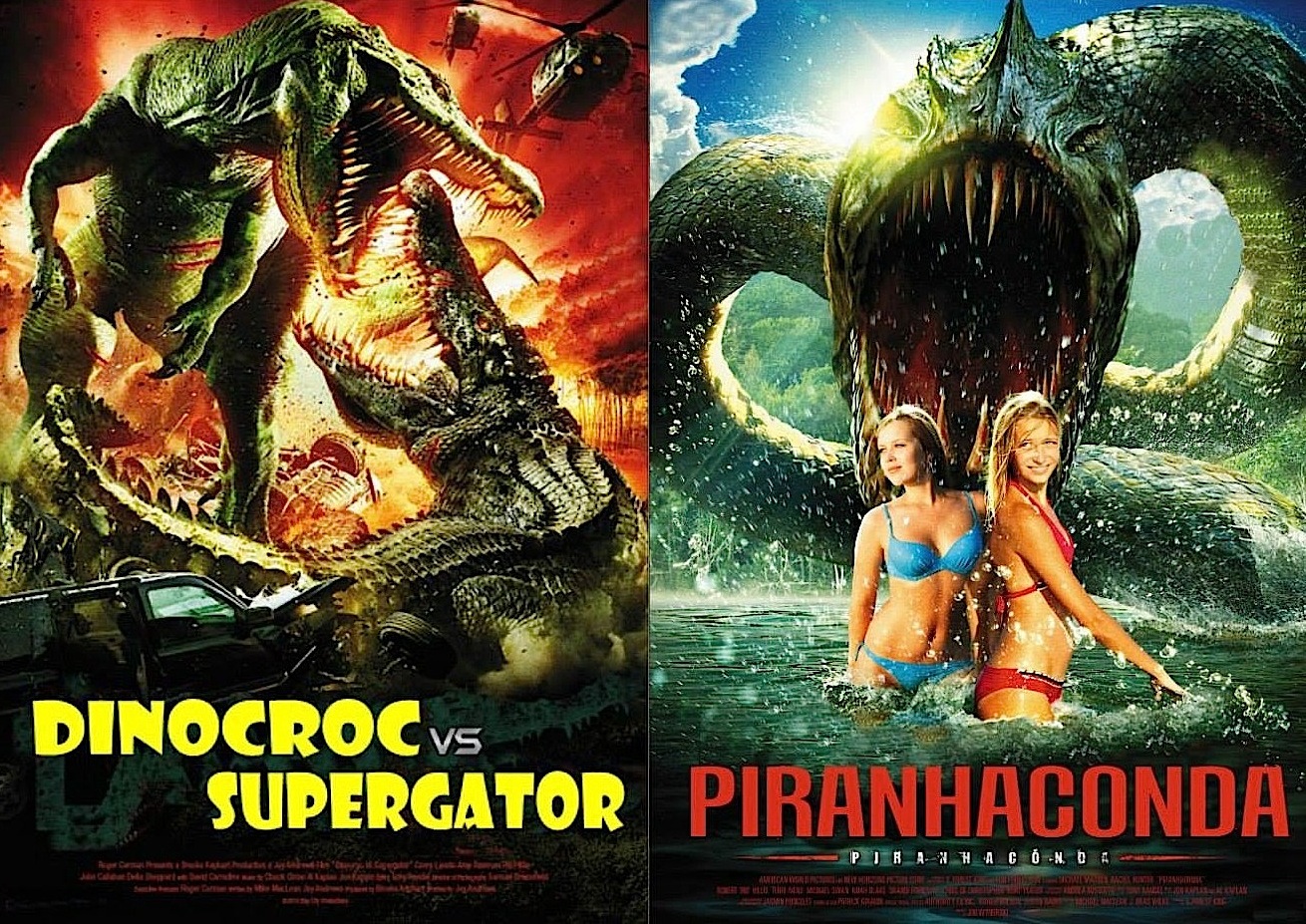
In 1991 you became a part of the cult classic Beastmaster franchise with Beastmaster 2:
Through the Portal of Time
. What drew you to this world? And what are your thoughts on your contribution to the franchise?

Producer Sylvio Tabet lured me into the sequel with the prospect of writing and directing. He’d made the first film, but then waited close to seven years to make the second. Along with my writing partner, R. J. Robertson, we wrote him a helluva good screenplay. Then at the last moment, he pulls the rug out from under me and says he’s directing it himself. And then tops it off by threatening to take our writing credits off the picture. I took the bastard straight to court. He hired big time attorneys to stall paying out the final script installments. I hated his guts. But I got the last laugh when Republic Pictures picked up the show. They wanted a picture totally clean of legal entanglements. So they came to me to make a deal and I held them up but good. Cleaned up. I still remember Tabet’s pained face when I told him what it would take to get me to sign off. Even my own lawyer whined!

When you look back on your insanely varied and illustrious career, what would you say you are most proud of?

I’m always most proud of my next film. Bringing life to a script is always exciting and rewarding. And besides, who knows what lovely actress I’ll be meeting??!!

001

What do you have coming up? Anything you would like to tell our readers about?

I’ve got a monster mash-up show I just delivered to SyFy called Cobragator. Also doing family films now that horror has tanked in the market. All the newbies are still making haunted house movies; you know the kind – 10 kids trapped in a spooky old mansion somewhere. They aren’t aware that that ship has already sailed. Walmart has a dumpster in their video section where you can buy 10 recent terror flicks on dvd for five bucks. Let them end up there while I cry all the way to the bank with Doggone films.

What was the last thing that made you smile?

Someone I know got a pie in the face.

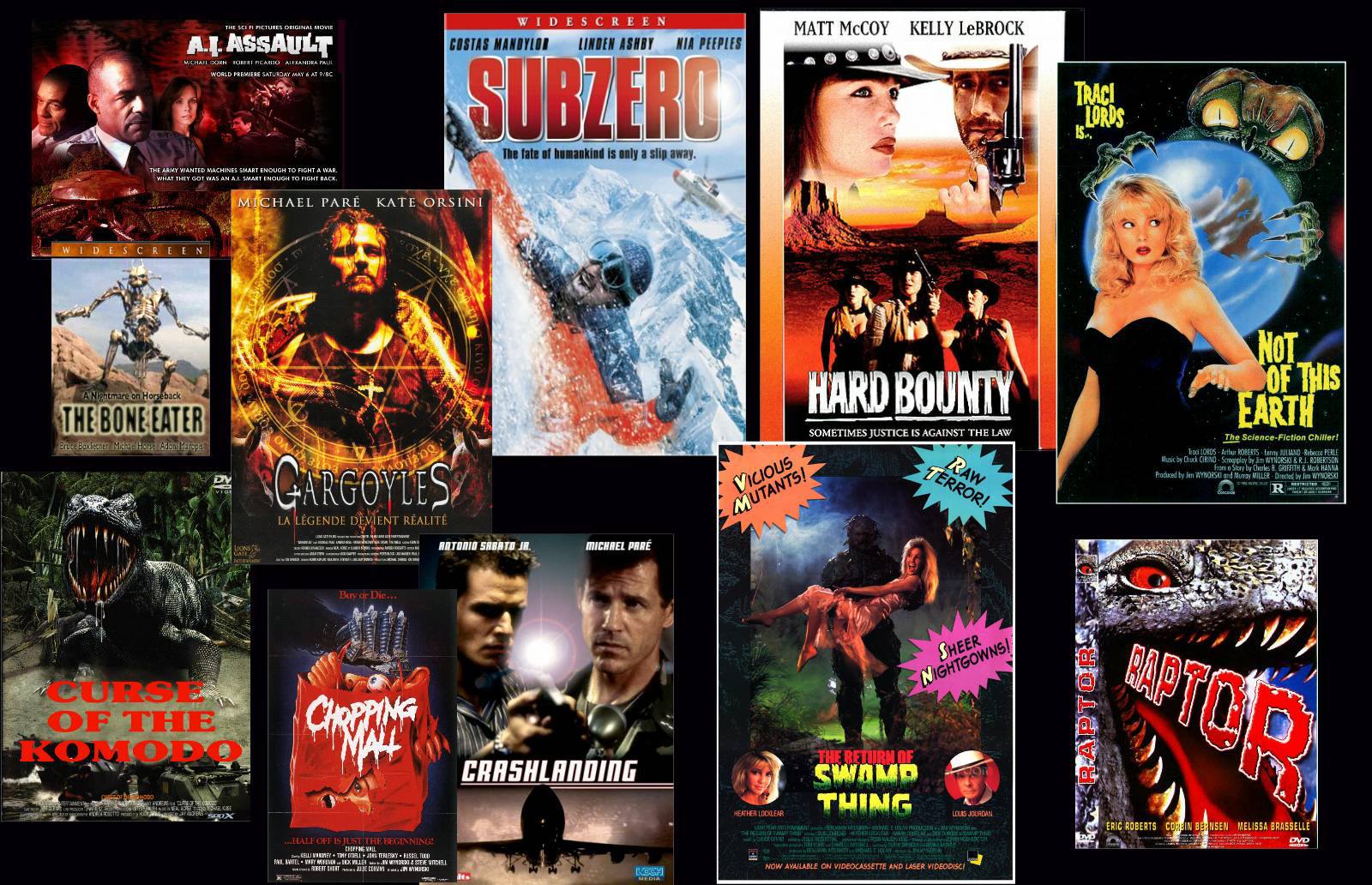
So that is it folks, quite the experience, right? Now please enjoy a nice galleria of sorts featuring some of the other works of Jim Wynorski, in a career spanning over 4 decades and close to 200 film and television credits. Pick up his films wherever you find movies. From iTunes, to the bargain bins at your local Dollar General, you are almost certain to find the work of Jim Wynorski somewhere out there. Chances are you already have. Enjoy!

15202720_1249735088398542_4900858344835982807_n

13620326_10153863788273212_1126282157907877352_n

12711069_10153515562483212_3238045382872776823_o
1009374_10151517374233212_412752667_o

lost_empire_blu-2

460172_10151486801868212_15045346_o-copy

179708_10151515516213212_2090237751_n

997068_10152519148048212_797884340861018021_n

1390658_10151766144003212_727054971_n


Barbara Bingham [Interview]

barbara-bingham-headshot

Sometimes I feel a genuine concern for certain folks in the film world when it feels like I have not watched them appear on screen in a number of years. I feel a strange bit of concern and fear that they are not doing well. But, usually I am overreacting, and they are doing well and doing exactly what they want to to do. Perhaps they have moved to Australia, began a successful corporate acting firm, and raised a family. Hell, maybe it turns out they weren’t actually in a movie you believed they were in!

Obviously I am getting quite specific here. I am indeed talking about the absolutely lovely actress Barbara Bingham, who appeared in great films like Friday the 13th Part VIII: Jason Takes Manhattan and Beyond Darkness. I would also learn from Barbara that she was NOT in the 80’s sex comedy Splitz, no matter what those lying liars at IMDb would have me believe! Nonetheless, Barbara is an amazing actress with some amazing credits and has carved out a very successful life for herself over the years. And she may very well make her way back into the mainstream acting world very soon, which would be amazing for everyone. So let’s keep our fingers crossed for that one!

And with that, please enjoy some great words with the amazing actress, Barbara Bingham.

When did you first decide you wanted to join the world of acting? Was there a certain moment you can recall that had you making that final decision?

I was originally studying to be a dancer with my eye on doing musical theatre. After starring in my high school musicals at Punahou in Hawaii, I went to college in San Diego with a focus on jazz and tap dance and they kept putting me back in the chorus. I kept on thinking, “No! I belong out front and center!”

Well, apparently it was obvious I didn’t have the dancing chops.

I quit college after 6 months and moved back to Honolulu with the plan to continue my modeling career that I had started sophomore year in high school and booked quite a bit of work. I had only been home a couple weeks when I was cast in a commercial and the producer of that spot was very kind and thought I should meet the producers over at Hawaii 5-0. After the shoot he drove me over to meet the casting director, Margaret Doversola and I booked the role on the spot playing opposite John Hillerman. A few days later on set, James MacArthur, who played Danny Williams approached me and asked me if I was nervous, I nodded and he said, Just hit your marks and you’ll be fine.” I questioned, “Marks?” having no idea what he was talking about and he gave me a ten minute on-set master class on finding your key light and hitting your marks. He was my hero.

It was on the set that day when I realized this is what I wanted to be doing the rest of my life!

barbara-bingham-jason-takes-manhattan

In 1990, you had a great role in Rob Hedden’s addition to the Friday the 13th series with Friday the 13th Part VIII: Jason Takes Manhattan. How was your experience in making this film? Where you a fan or knowledgeable of the series worked prior to taking on this role?

Shooting Friday the 13th Part VIII: Jason takes Manhattan was one of my favorite shoots, mostly because Kane Hodder who played Jason was divine to work with. Rob Hedden was an incredibly insightful director and he hired terrific young actors like Kelly Hu, Scott Reeves and Jensen Daggett. I looked forward to getting on set every day and see who Kane/Jason was going to kill that night! I was familiar with the Friday the 13th series of movies and couldn’t believe they were actually making an 8th installment, I thought these fans are loyal!
What was it like to work with Italian directors?

I starred in a movie called Beyond Darkness with Italian director, Claudio Fragasso, directing. He spoke no English and used an Italian/English dictionary to search for what he was trying to say! One of my more challenging days was when Claudio needed more emotion from me as I was searching for my lost son (Michael Stephenson) and after a couple takes he is screaming in Italian for three minutes with his arms flailing and when he was done the cinematographer, Giancarlo Ferrando translates his rant to English with “Do again, with more!”  Michael Paul Stephenson did a terrific job as my son and he went on to do more work with Claudio on Trolls 2 and then he directed Best Worst Movie.

barbara-bingham-beyond-darkness

I have come to learn that you did some studying with legendary groups like Second City and the Groundlings Theater. What sort of techniques did you take away from these places that you may still use today? And do you remember who some of your cohorts were during these periods?

As much as I loved Second City and the Groundlings, it was actually in Stephen Book’s acting class where we studied Violin Spolin Improvisation Technique that I really flourished with improvisation. At the time, Grant Heslov, Tate Donovan and Marg Helgenberger were also in class and there were scenes that I watched with Grant and Tate that were comedy gold. Out of my acting tool kit, Violin Spolin techniques are the ones I continuously use.

As somebody far removed from the scene, what exactly is “corporate acting”, and how did you find yourself in this line of work? And what do you find most rewarding about it?

Corporate acting, role play and forum theater found me almost 15 years ago. My first job in Sydney was with KPMG and we role played with the senior managers being groomed for partner. We would have 30 minute meetings where I would play difficult, demanding clients and/or people in their team who were “off the boil” and not engaged with their work. After the meeting, we would discuss the conversation, what they did well and what they could improve.

I find that communication, emotional intelligence and cultural intelligence are becoming increasingly important tools in the corporate world. My work has expanded over the years and I actually started my own company with three other actors called Corporate Actors Australia. What I find most rewarding when working with a client, is when I see the “penny drop” and they understand how their current style of communicating may not be the most conducive to positive results.

barbara-bingham-corporate-actors

Was this what brought you out to reside in Australia? How do you like it out there? What is the acting life like in Sydney?

My husband, Bill and I wanted to live in a foreign country “for a couple years”. My son was 10 months old when we moved to Sydney and we planned to move back to Malibu in time for him to start preschool.
Needless to say, he just turned 21 and we are still here!

Sydney is a beautiful city and we are 5 minutes from the beach and we love it here. I’ve signed with a new agent, my son has gone off to college in CA and I am ready for this new chapter of my life. Stay tuned!

So what does the future hold for you? Anything you’d like to plug here?

I’d love to get back into shooting movies and television. It’s an exciting time for the industry with so many streaming services needing and producing content. I’m excited to see what “middle aged” roles I can sink my teeth into!

What was the last thing that made you smile?

Jumping in the ocean this morning and frolicking in the waves!

Austen Jaye [Interview]

austenjaye


Every once in a while I get pointed in the direction of a working actor/writer/filmmaker/spearfishing enthusiast, what have you, that I might not have truly been aware of at the time, but so happy I learned what they are doing in the world of art and entertainment. And today is no exception whatsoever.

Today we are talking with Austen Jaye. Austen is an actor with an immense amount of talent who is destined to be a favorite in this business. He has stacked up credits on shows like Angie Tribeca and The Bold and the Beautiful, but most impressive is his portrayal of Harry Belafonte in his acclaimed one man show that you can catch now! I have yet to see this amazing show, but it sounds like it is nothing short of fabulous. If his work in film and television is any indication that this will be an amazing show, we should all be in great shape.

So, please enjoy a great conversation with up and coming man of the screen and stage alike, the wonderful Austen Jaye!

What was the first role you can remember doing, whether stage or screen?

As a child I performed in many church plays and I was the most shy kid you would have ever met. As I got older I decided to actually become an actor an explore what this artist thing consist of. I’ve had chances do to tv, film, and stage and the things that impact me come from a place of truth and honesty. I know this can be considered entertainment but most of what I attach myself to affects me because I’m thinking how can I find the honest root that most people aren’t interested in look at.

When did you first decide you wanted to enter the world of acting as a profession?

I decided to enter during my late teens. Right out of high school. I watched people on tv inspire and make people laugh. I said I wanted to do that, not knowing they were acting. Also as I decided to get into the acting world I realized how powerful being a story teller can be. Artist help shape this world. We all tell stories from actor, writer, director, singer, painters, and dancers. All at forms

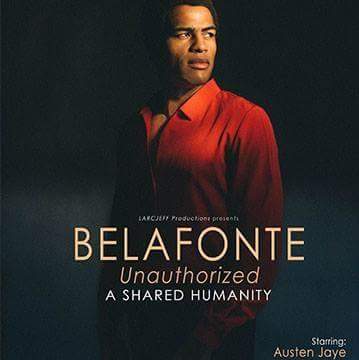
Can you tell us a bit about your upcoming stage performance Belafonte Unauthorized: A Shared Humanity. What can an audience expect from the show?

Well the first thing the audience can expect is to learn more about a historical figure that in my mind has been forgotten. The understanding of a journey not easily matched or duplicated.

Belafonte is obviously a legend in his own right, but what was it about Harry that made you want to create this show?

There are so many stories out there about Martin Luther King or Malcolm X. I wanted to tell a story about someone else that contributed as much to the Civil Right’s movement if not more. Also I knew some about Harry Belafonte yet not enough until I started researching. The more I read about him and listened to him speak I started gaining a respect for him that most people my age or younger definitely haven’t been exposed to. So my original idea was a movie because Harry’s life story is important to America and the black community and I wanted to tell more people about what I found so interesting. A friend of mine named Penelope suggested I create a one man show. So I said sure and that’s how it’s started to take off.

image1
If you were given the chance to take on a starring role as any famous African American politician or activist, beyond Belafonte of course, in American history, who would it be?

Funny you ask because some people that I’ve met, just speaking to or in passing suggest I create a show about Barack Obama. I don’t know if I’m ready for that task yet but it is intriguing. I’m currently learning more about African-American men and women that have helped shaped America. So many choices that it makes it hard to find just one.

When you’re not doing stage work or acting in general, what do you do for a bit of “me time”? What do you do to keep yourself centered and just relax?

I love to read and learn from different people. As an actor or artist I know that the title I hold is what I’ve chosen. I’m not entitled to anything because its what I do. So when I get a chance to be to myself I’m a pretty simple guy. I will spend time in the gym, a theme park, or a movie. Some might find it weird but I sometimes go to a movie by myself.

What was the last the last thing that made you smile?

Over the holidays I got the chance to hang out with extended family. When you’re running around Los Angeles working all the time producing a show, its good to just be around family you love. Family that’s supports you through it all. That made me laugh and smile.


Caroline Thompson [Interview]

caroline-thompson


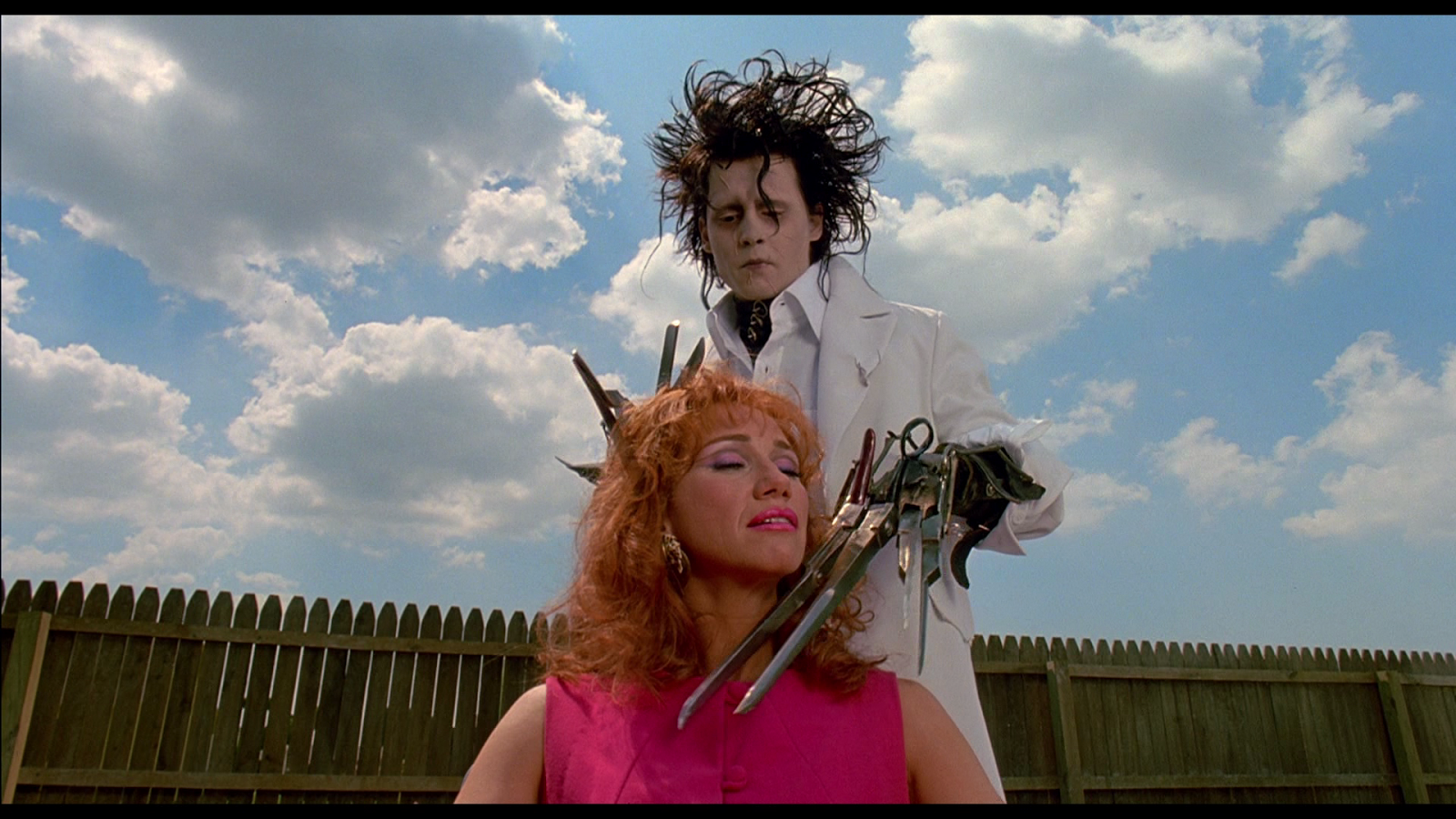
Oh sweet hell, we have a great one for you fine readers today! I have actually been trying to get this one going for quite a while, and well, ladies and gentlemen….we got her! Caroline Thompson is arguably one of the greatest screenwriters of the late 20th century. She has been the person behind the pen of some of the most iconic film’s of the 1990’s, and one of the greatest storytellers to ever tell a tale. Thompson penned the story behind what is arguably the greatest accomplishment of Tim Burton’s career, the cinematic masterpiece Edward Scissorhands. And her credits just continue to stack up with films like The Addams Family, Homeward Bound: The Incredible Journey, The Nightmare Before Christmas, The Secret Garden, and many more!

Seriously folks, I am SO excited to share these amazing words with one of my favorite writers in the business. I would have been happy with just a few yay or nay answers, but Caroline being the amazing person that she is, she got very deep into her career and provided some amazing insight on several of her projects in the past. I absolutely adore her work, and though she has entered into a semi-retirement of sorts, I will continue to hold on to the hope that she might allow us to watch/read another of her amazing tales. But for now, please enjoy this great interview with the amazing Caroline Thompson!

When did you first realize you wanted to become a writer? Has it always been a passion? Can you pinpoint any sort of event that lead you to write for a living?

The summer I turned 16, my parents rented a house in London.  The house was owned by a journalist named Connor Cruise O’Brien.  There were strange paintings on the wall (abstract geometry the likes of which I’d never seen), a purple velvet chaise longue and a wall of Penguin paperbacks.  I had never been much of a reader before that, but that summer I devoured those books – Fitzgerald, Hemingway, Faulkner, Woolf – much to the chagrin of my mother who wanted me to go look at cathedrals and God-only-knows-what.  Reading those books stirred me to write.  My first dream was to be a fiction writer.  But I also discovered movies that summer — A Clockwork Orange was released.  And, oh yes, boys.

You’ve been a major part in three of the greatest works of Tim Burton to date, in my simple opinion. Edward Scissorhands, The Nightmare Before Christmas, and Corpse Bride. That being noted, what do you believe it is with your collaboration with Burton that just simply works. Do you share common sensibilities? Are brain waves crossing or something?

Tim and I recognized one another as psychic soul mates the minute we met.  We shared a sensibility, beyond shared, really.  It is so sad that we have had our 13th major break-up and don’t work together any more because I feel we were each other’s finest collaborators.   Thanks for thinking so too.   That said, I was not really part of Corpse Bride, haven’t actually seen more than the first few minutes.  There was betrayal involved.  My name is on it because it got the green light to go forward on account of my participation.  Sigh.

caroline-thompson-scissorhands

Through the glory of the Internet, I’ve managed to see strings of well deserved praise for the above mentioned films. But, your catalog and track record of writing films that have made it to screen is extremely varying and impressive! So, when you look back on these films, how happy are you in general with how your words came out on screen? Is it mostly all there, or are there examples of when you might have said, “Well, that’s not it at all”?

It’s funny that you think of my movies as ‘extremely varied.’ To me, they are all basically the same story.  They are all animal stories (literally, in some cases; metaphorically, in most).   What does it feel like when the world is not made for you and you are basically expected simply to slot in?  The table is so high you can only see the bottom, for example.  Those are my stories.

Basically, I have been happy with their execution.  With great exceptions on both ends.  I was thrilled with Edward Scissorhands and I was miserable with City of Ember.

You were tapped to pen the amazing reboot of The Addams Family, that was released shortly after Edward. What was it like to be tasked to reboot a legendary television show? And what are you thoughts on the final outcome of the film?

I agreed to do The Addams Family for two reasons.  One, I was assured that we would be faithful to Charles Addams’ sensibility, which was much diluted in the tv show from my youth.  And, two, the producer introduced me to Larry Wilson, one of the Beetlejuice writers, as my potential co-writer.  I instantly agreed to collaborating with Larry.  He and I laughed every minute of every day working on the script.  He is still a great pal.  But… we had the shit beat out of us by the producer and the director and Charles Addams’ beautifully bent sensibility found little expression in the final film.  I don’t regret the experience, but I honestly don’t think much of the movie.  Still, it beats the crap out of the pile of poo that followed it.

THE ADDMAS FAMILY THEBLACKBOXCLUB.COM


Speaking of adaptations, you had a string of great youth-oriented films in the 90’s. Including the legendary Homeward Bound: The Incredible Journey, This film was fascinating to say the least. So, what was it like to adapt a story that involves animals with dialogue?  How does it differ rom writing dialogue that could usually be meant for humans?

When I was a kid, I loved the film The Incredible Journey.  I suggested the re-make to Disney and am very glad I did.  It is still my only movie that actually makes me cry.  The director, Duwayne Dunham (before directing he was a legendary editor, trained by George Lucas’s wife, Marcia, and editor for some of David Lynch’s wildest works), sure knows how to tease an ending.  I know the old dog is going to come over the hill – I wrote it for fuck’s sake – but the waiting is agony beyond agony and I can’t help but getting choked up and then releasing the tears when his limping self appears.  Amazing, right?

I was fired off that project three or four times.  They let me go after my initial flurry of drafts, but brought me back on to rewrite the animal dialogue.  It, and my Black Beauty, were, I believe, two of the last films where the animals’ mouths weren’t CGI’d around the dialogue so the dialogue could be changed and changed and changed.  I was fired and re-hired and fired again.  But I had the last pass, so the animal dialogue is mine.

Since all my movies, as I have said, are essentially animal movies, writing dialogue for them comes naturally.  As naturally as speaking for my stuffed animals when I was four, or for any of my dogs or horses today.

Also during this period, you managed to get behind the camera a couple of times as well. But, you haven’t seemed to have gone back to this world too much lately. Have you thought about directing again? Or is writing the true passion you strive towards?

I wanted to direct because I wanted to see if I could.  I did – I talked the powers that be into it, and I worked hard and I am proud of the movies I made — but I did not enjoy it.  I am an introvert and would rather stay home.

caroline-thompson-homeward


Once again, through the glory of the Internet, I learned that there was once a process going with our old friend Penelope Spheeris to adapt your novel, First Born, but it didn’t quite pan out. Would you be able to elaborate on these events? What did you learn from this experience?

My first dream, as I have said, was to be a fiction writer.  I realized that dream.  At 26, I published my first novel, First Born, a strange, angry adolescent examination of suburbia, the dark precursor to Edward Scissorhands.  Penelope Spheeris had made an amazing documentary called The Decline of Western Civilization about the LA punk scene.  I had my book sent to her (I was living in LA by then and flirting with writing for the movies) and she wanted to do it.  I gave her an option on the book for $1 in exchange for co-writing the script with her.  I took my computer to her house (an original portable that weighed 40 lbs!) and she cooked lunch, and we wrote the script.  Her agent was gobsmacked by it and asked to represent me.  He is still my agent today.

The movie didn’t get made, but it did get optioned several times which is a miracle considering how weird and disturbing the story is.  

So, what is next for you? Do you have anything you would like to plug here?

I have basically retired from the movie business.  The occasional great project comes my way, but nothing has panned out lately.  Instead, I have taken up oil painting.  Mostly I paint from police photographs of 1920’s murder scenes.  Loving it.

What was the last thing that made you smile?

I went to the January 21st Woman’s March – the LA version.  It was a joyous, delightful, love-filled madhouse.  That made me smile.