Stephanie Allynne [Interview]


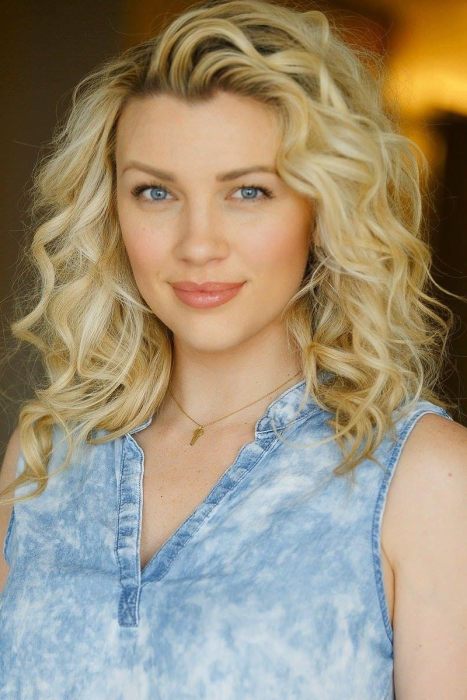
In our continuing effort to showcase amazing women in show business, you may have noticed a pretty common theme…we love hilarious women. Granted, not all of our subjects have been (or will be) comedians or brilliant minds of the world of comedy specifically, but many have been. And today is no exception. In fact, today we have one of the greats with us! Stephanie Allynne is an improv legend, a brilliant actress, and now a talented writer and filmmaker.

Stephanie is frequently featured and writes for in the wonderful, semi-biographical series from Tig Notaro called One Mississippi, which is an absolutely amazing show that is starting up its 2nd season soon and is not to be missed. She is also a bright shining star in the UCB world, which we will certainly talk about in the words below. So to prevent excessive rambling, and to continue on our wonderful showcase of wonderful people, I present to you, Stephanie Allynne!

When did you first realize you wanted to be involved in the world of comedy? Did you always know you would have a knack for it?

I came to Los Angeles when I was 18 to be an actor and was kind of blindsided when I fell in love with Improv. UCB really lured me in. I was shocked when I saw how real and grounded their improv was. I couldn’t believe the place existed. I had always been funny, not in the class clown way, more in the whisper a funny comment to the person sitting next to me way. I’m still that way I think.

We have been fortunate enough to get some words from a few of your fellow UCB alum, and we always like to ask what it has been like to be a part of such an amazing creative force? And what is the ultimate takeaway for you from your time with the UCB?

I love UCB, and yes it is “an amazing creative force.” I’ve spent almost a decade now with that theater and it has drastically shaped my career and personal life. My improv background strongly informs my acting, writing, and directing. The ultimate takeaway from UCB is a deep appreciation for listening and staying present.

In what seems like a very short time, from an outsider’s perspective at least, you have married and become a mother of two, so congratulations! That being said, has your perspective on the world and your work changed at all since you began this new chapter of your life? Have you noticed any differences in yourself?

Thank you. And from an insider’s perspective, I would absolutely agree. I never thought I would be married with two kids by the time I was 30, but, hey, here we are and all is dreamy. Seeing the pure love and innate joy that my sons have makes me only want to be surrounded by love and joy in the world and my work.


I know it is a very “hush hush” set up…but, IMDb is informing me that you will be featured in Showtime’s continuation of the legendary series Twin Peaks. Without divulging too much, what can you tell us about your experience on this project? Even the most vague details! Did catering provide “damn fine coffee’?

I have been sworn to secrecy, but my love for David Lynch is through the roof and it was nothing short of electrifying to see him work.

A very specific film that you have worked on that I would like to ask about is our new friend Henry Phillip’s Punching Henry. You are a part of a very elite cast of comedians and brilliant actors in this truly wonderful film including the likes of Doug Stanhope, Clifton Collins Jr., your life mate Tig Notaro, and many more. So what was it like for you to jump into the follow up vehicle for the cult classic known as Punching the Clown?

Well first of all, I love Punching the Clown and Henry Phillips, so I was thrilled to be in Punching Henry. When I think about that movie all I think about is doing that “sex scene” with Henry. I love the awkwardness of that scene and I love the awkwardness of shooting a sex scene. Plus he’s a friend, Tig was there watching on the monitor, and I was topless. And I got paid for that, and then I paid taxes out of that money… some elementary school has crayons because of that scene. Life, what a place.

In 2016, you released your directorial debut with the short known as The Fun Company. How did this project come about? And what led you to getting behind the camera on it?

The Fun Company is based on my time at The Groundlings. I had so much anger and rage after performing there and I didn’t know where to put it. I decided to write about it, so I wrote the short just to get it all out of my head. Then I loved the script and wanted to actually make it. I really wanted to star in it and it felt like something I had to direct myself. It was very personal and I wanted full control. Directing has always interested me, but I naively thought that to direct I needed a camera and to know how to work software and hard-drives. That’s what was stopping me from directing for about 7 years. I finally learned that all I needed was a DP.

What does the future hold for you? Anything you would like to share with our readers?

We are about to start shooting season 2 of One Mississippi, which will air in the fall on Amazon. Tig and I wrote the first two episodes and this season explores our love story. The show is somewhat fictionalized, but it has been fun to revisit the genesis of our love.

What was the last thing that made you smile?

My family. And the final episode of Big Little Lies.

Tami Stronach [Interview]


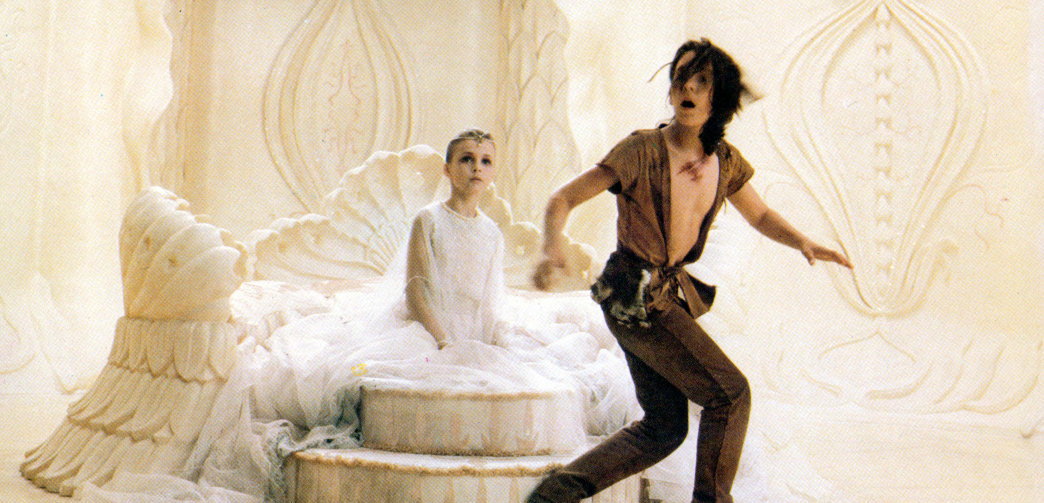
Tami Stronach is a woman that most of us who grew up in the 80’s and 90’s are pretty familiar with. She portrayed The Childlike Empress in one the most beloved adventure films of that time, and one of the best of all time, really. That film was The NeverEnding Story. And until now, it was pretty much all a lot of us knew about Tami’s work. But, trust me, she has been around. It has been the world of theatre where Tami has thrived. And die hard 80’s fans will definitely remember her wonderful album Faerie Queen that was known as a sleeper hit of that insane decade.

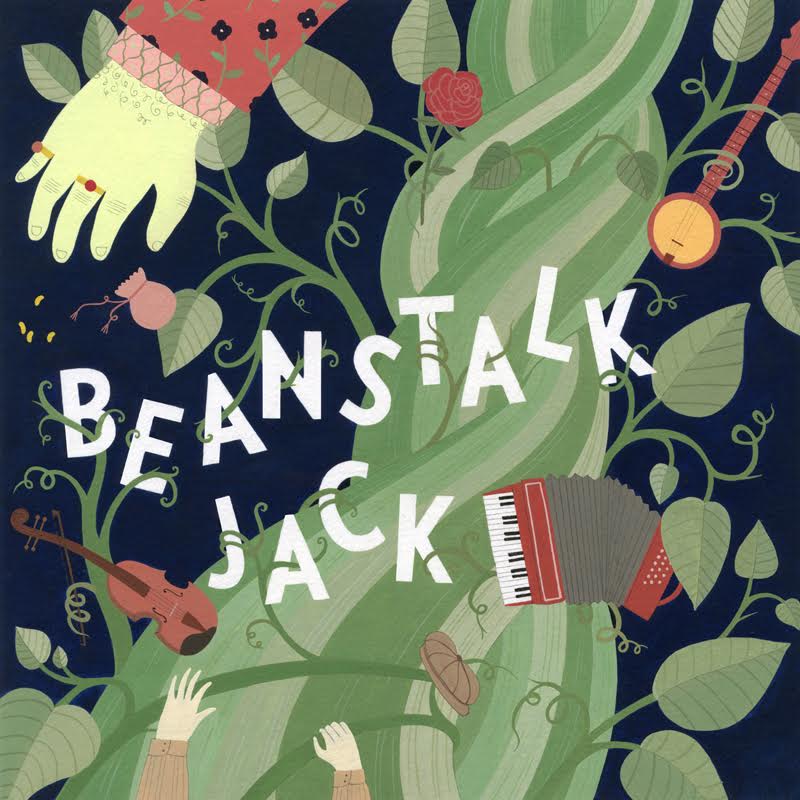
But, Tami is back to her old ways, moving back into the world of family friendly entertainment in the shape of a delightful production called Beanstalk Jack. And Tami has been kind enough to grace our digital pages to talk to us about this project and more at length!

An interview with Tami Stronach feels like a brilliant addition for our unofficial “Women of the Present” series, as she is indeed a woman who has touched so many different aspects in the world of entertainment. She is an actress, producer, performance artist, writer, and so much more. So we are very proud to have her here today. So please enjoy some great words from Tami Stronach!

You were phenomenal in your early performance in The NeverEnding Story. What was that experience like for you?

It was magical. It was an extraordinary summer and I loved being on set immersed in that world.

Are you at all surprised by the cult following and acclaim that this film has received over the last 30+ years?

I am surprised. I’m thrilled and surprised. I never expected it to have the sticking power it seems to have. I think the theme of doing what you dream against the odds is very powerful. We all need to be encouraged to be courageous and imaginative…plus the puppets are really cool.


Can you tell us a bit about your upcoming work you are doing with the legendary tale of Jack and the Beanstalk? What can audiences expect to experience?

My family entertainment company Paper Canoe Company just released a folk rock opera based on the story of Jack and the Beanstalk but we gave the story a girl meets boy twist—ours is called Beanstalk Jack. Right now it’s a concert, which we perform live, but we will also be developing it into a full theatrical experience over the course of the year with costumes and set pieces. I’ll list the dates on our website once we set the schedule. Paper Canoe Company is all about bringing to life classic fables or folktales with an updated spin. We love the story of Jack and the Beanstalk—it’s a pretty unusual story in that many folktales are cautionary and were used to scare kids straight…don’t leave the path you are on–Don’t talk to strangers etc… Jack pretty much does everything he is not supposed to do and it works out for him. He’s a dreamer and a risk taker…I like that. But we wanted him to defeat the mean old giant differently than by stealing his stuff and killing him partly because I have a six year old who would never let that fly. So we gave the giant a teenage daughter who lives alone in a gilded cage. She has everything…all the pillaged loot of the land. But she’s all alone. When she meets Jack, it’s love at first sight and he steals her heart…they run away together. I wanted the moral to be that the best revenge against a tyrant is to create your own corner of the world where love rules the day. The whole story is told through music. The first half of the album is old timey and references folk music but once Jack goes up the beanstalk he enters the giants turf, which is expressed through vintage rock and roll. We wanted to have fun celebrating the sound of great 80’ s musicians-for example the giant in the story sounds a lot like Tom Waits…his daughter borrows a bit from Blondie…I imagine her wearing a mix of Cindy Lauper, Blondie and Madonna clothes.

And how did you become drawn to this project? What was your inspiration, if you will?

It was my husband’s idea. There is lots of great stuff happening in kids music but we wanted to do something that had more of a story. Also we love to sing as a family so we wanted an excuse to sing some more….My buddy Jacob Silver produced the music and he really elevated the whole project by taking the concept and melodies we offered up and turning these simple pieces into this rich sound…he got incredible players to join us and added his top shelf bass playing. We were so lucky to have this team.


What made you want to develop Paper Canoe Company? What is your overall goal with this company?

I wanted to bring everything I am passionate about under one umbrella—telling stories, acting, singing, choreographing, being a mom, and being my own boss….I started with the Never Ending Story which was something the whole family could enjoy…now at this moment in my life it feels right to return to that kind of storytelling. We started out by creating live events because that’s the world I know best but we are excited about moving to digital content with Beanstalk Jack…I’ll be choreographing a video for that later this spring and our goal is to eventually expand to TV and film. But why?…. I believe that art and good stories create empathy…the sooner we build empathy muscles in kids the better! That’s what the world needs more of…stories that ignite the imagination and encourage us to be courageous, resourceful and to question things. Art is in my bones. I need to make it for my own sanity. But with the birth of my daughter I feel compelled to make stories that will nourish the next generation…Its time to reach for a broader audience which includes people ages 2-102.

What else do you have coming up? Anything you would like to tell our readers about?

Besides singing in Beanstalk Jack in the NYC area this spring and summer…

Please look for our music video coming out in a couple months. I’ll post the latest news on our website: papercanoecompany.com to see what we are up to. Please visit Bandcamp to give “Beanstalk Jack” a listen!

What was the last thing that made you smile?

I cut my index finger cooking and had to drive back from the Catskills this weekend with my left hand up in the air. The other drivers thought I was saying hi so lots of people waved to me on my way home to Brooklyn.

Check out Beanstalk Jack for yourself now via the Paper Canoe BANDCAMP page.

Amber Coyle [Interview]


It’s still all about the women, folks! And we are wrapping up our second week with another amazing showcase. What makes this one different though? Well, we are moving a bit in front of the camera as well this time with actress/model Amber Coyle. She is a hilarious woman who has worked diligently to establish herself in this business, and will soon reap all the rewards she has earned. And damn it all, if she isn’t working behind the scenes as a writer of original content, most likely knowing full well that if you are to succeed in this game, you have to do it for yourself.

Amber has recently developed a pilot, featuring an ALL FEMALE cast and crew, which if you have been paying attention for the last two weeks, we are HUGE fans of. Coyle is a woman who has proven herself to not only be a beautiful on screen actress, but a lovely person in all aspects of  her life, and we are so excited to see where she goes and to follow her career that appears to only be moving up. To be young in Hollywood these days can not be easy (from an outsider’s perspective) but Amber seems to have that town by the reigns and will soon be pulling in more than the world can handle. And we here at Trainwreck’d Society think this is a damn good thing.

So, ladies and gentlemen, please enjoy some great words with the amazing Amber Coyle!

When did you first realize you wanted to be a person who plays pretend on screen for a living? Growing up in Texas, was it always something you aspired to do? What are your earliest memories that led you to the world of acting?

I loved theater as a kid, especially in junior high! I went to speech tournaments performing lip sync routines and improv. I was in every play including the Pink Panther Strikes Back playing Olga, the Russian spy. And one of the witches in The Wizard of Oz (yes, there was more than one witch in the play). I also went on a New York trip with our Thespian Troupe, visiting Juilliard and watching Broadway plays. That really set off the dream. I was having wayyy too much fun!

You have had some extensive training in the world of sketch comedy. What drew you to this world of comedic storytelling specifically? Was it just further practice, or your true aspiration?

I realized in my teens that I had way too much energy, probably classified with ADD and hyperactivity, LOL! I sometimes disrupted class, loved to be the center of attention, and always tried to make everybody laugh. I guess I just enjoyed expressing myself through comedy, escaping from the dramas of reality. I was even awarded “Class Clown” my senior year. I thought I was pretty good at it, and many people (not just family and friends) who have crossed my path have reiterated that to me over the years. It eventually solidified in my soul! I knew it was my calling. My dad really wanted me to go to college and get a degree, which I did. But then I set myself free and said, “That’s it! I am following my dreams! Goin’ to Hollywood!”

You’ve also done some great work in the world of stand up, which we are also very big fans of as well. How has this experience been for you? Have you found audiences to be receptive to your style of comedy?

Stand up is definitely one of the hardest things in life to do, and in my opinion its a great achievement- even if you’ve only done it once. It is the most vulnerable thing one can do. I was encouraged by a few well known comedians I had met. I just wrote down what I thought was funny, worked on it until I felt I had something solid. I went up at the Hollywood Hard Rock Improv in FL for the first time ever. It was a full house, and I was nervous as shit! But that 5 minutes flew by and I had them laughing loud! That is the best feeling in the world! But I have learned, not every high is that high- there can also be some lows. You can tell the same jokes to a different crowd and they will react differently. Its a lot about the energy. But thats how you grow, so its important to go through the motions. A lot of my material was very “blue.” Feedback would either be something like, “Whoa! I was not expecting that to come out of your mouth. That is awesome! I like how you keep true to yourself.” Or it would be, “Girl, you gotta clean that up if you want to go on tour or be on a network show.” Everyone has their opinions. You just have to know that you cannot please everyone in world, someone will always find something to complain about. But as long as you’re being yourself and doing what you think is funny (without being mean or hurting anyone of course) then that’s all you can do.

I have heard some great feedback about Buzzfeed Motion Picture’s comedy series, Up For Adoption. What has it been like to work on such a hilariously bizarre project like this? What was it like to bring the work of the brilliant Quinta Brunson to life?

It was great working with Quinta. Honestly, the whole experience was probably the most rewarding, and I learned a lot. Shooting 10 episodes in less than a month was tiring. But for what I am trying to do in Hollywood, it was exactly what I needed and in the direction of where I want to go. I am so grateful! I didn’t think I would book a mom role at all. I thought I looked too young to have two teenagers. They asked my age and liked the fact that I was a little older but looked younger. I have never been married or had any kids, so I was shocked to find that I landed the role of Tanya. The girls who played my daughters, Tess and Teagan made me laugh everyday. Those girls are hilarious and super-duper talented! Quinta is younger than me and she has accomplished so much. I am so happy we got to work together and share this experience. She has an artists mind. She knows exactly what she wants and she goes for it, no bullshit, Philly style! Her character is the most hilarious. Verizon Go90 bought the series and Quinta told me she did not even want to put herself in the project, but Verizon said, “No, we want you in it!” She made me laugh A LOT with Michelle. But Quinta as a person is very serious, and I respect that. I am praying for a season 2!

I understand you have recently also appeared in the hit comedy series New Girl, alongside re-occuring guest star Meghan Fox. How was this experience for you? Was it as fun to shoot the film as it is for an audience to watch it happen?

Shooting New Girl was quite the experience for me. When I auditioned, the role was a co-star with no lines. But for the auditions sake, they gave us some lines. They booked me and I literally prayed for lines for days. I couldn’t sleep the night before the shoot and I got an email at midnight from FOX with an updated script and thank the lord, I got some lines!!! I was so stoked, I got no sleep, LOL. I had my own trailer, everything was nice. Jake Johnson shook my hand before the scenes started and introduced himself. Megan however, did not do so. We went straight into the scene cold! That was a first for me. Usually you at least say hello before you work with someone. But we got through it, and later ended up chatting. It was a lot of fun. When it aired, we learned some of our lines were cut. But it was still a really great scene and so incredibly happy to be a part of one of the most successful sitcoms!

And be honest….is Jake Johnson even more adorable in person? Was it terribly hard to not get lost in those puppy dog eyes of his?

Jake is the man! He is really, really a talented dude! He liked to run through our lines each time before shooting to make sure everyone was comfortable. He also threw out some improv. And very impressive- the large amount of dialog they threw at him last minute, was nooooo problem! He is FANTASTICAL!

In the long run, what would you say is your ultimate goal as an actress in the world of film and television? What are you most yearning to accomplish in your career?

Right now I am working on a project of my own with a few friends. We wrote a TV pilot. All female cast (lead), female director, and working on getting an entire female crew. We will be shooting that this year then pitching. It would be a dream for it to be picked up by a network or even some type of new media platform. But aside from that, my dream is to book a series regular on a sitcom with longevity. Think Golden Girls, one of my favorite shows of all time. They were the original Sex in the City! Every actor has a thirst for not only success, but a consistent income! The struggle is real. Look, I am not trying to be Angelina. I want to get paid for doing what I love. I LOVE comedy! I want to work on feature films as well. And guest star on SNL!

What was the last thing that made you smile?

My cats. Thats right folks…crazy cat lady! HAHAHA!

Ellie Kanner [Interview]

Ellie Kanner
at the World Premiere of “For The Love of Money,” Writers Guild Theater, Beverly Hills, CA 06-05-12
David Edwards/DailyCeleb.com 818-249-4998

We are moving right along with our Women of the Present Month here folks with another fantastic interviewee who is working diligently behind the scenes! Today we are talking with the amazing director and former casting agent phenom Ellie Kanner! As we try to hit as many gears in the machine that is show business, I realized we haven’t actually featured a casting agent and was very intrigued to find out what that part of the business is all about. And it turns out that we found one of the best in business who was so kind to tell us all about it!

Kanner was a casting agent for hit series like Sex and the City and Sabrina the Teenage Witch, which are obviously classic television shows, but I kept seeing her name pop up because of a couple of projects that I still love and adore like Rory Kelly’s 1994 masterpiece Sleep With Me, and the short lived but brilliant series Two Guys, A Girl, and A Pizza Place. And when she moved behind the camera as a director, even more amazing credits starting rolling in, like the highly underrated 2012 gangster flick For The Love of Money, and the 2014 comedy Authors Anonymous. And the list goes on and on.

Ellie is a woman who has staked her claim in the world of film and television, and should serve as a real inspiration as to what women can accomplish behind the scenes, if we could only move forward and give them more of a level playing field. That’s not too much to ask, right? Remember folks, it’s not about superiority, it’s about equality. Alright, jumping off the soap box, and right into the wonderful career of the amazing Ellie Kanner!

When did you realize you wanted to join the world of arts and entertainment? Was it something that started at very young age, or did you just sort of fall into it?

I grew up in CT and loved watching television and movies. Our town was so tiny we didn’t have a movie theater so when we went to the theater it was a big night. When I was 10 years old I told my family I planned to move to Los Angeles to be an actress. When I arrived here I didn’t know anyone. I cold called talent agencies and ended up as a receptionist at a small agency. My first week there I saw all of the pictures and resumes that they received and realized there were many people who wanted to be an actress more than I did. That’s when I decided to learn as much as I could as an agent and then pay attention to other people’s jobs so I could figure out what I could do. I always loved the idea of working in the entertainment industry. That was my dream.

For those of us who simply are not in the know, and very out of the loop…can you explain the responsibilities of a casting director? What are some of the most important aspects of the job, and how do you know when you have casted a film or television show perfectly? Is it an after thought of some kind?

The casting director works closely with the writer, creator, director and/or producer in helping this ’team’ to hire the best actors for their project. Each project is different in terms of their team but there is always someone the casting director is working for.

A CD suggests actors for specific roles and can be creative in changing the minds of the team by suggesting changing the gender or ethnicity of a certain role. There are many opportunities for a CD to be creative. The CD auditions actors on their own and then brings the best of the people they have seen, along with actors the CD has already worked with or is familiar with and brings them all to audition for the team. Sometimes it’s a process of elimination. You take the best from each casting session and then bring back actors to audition again to narrow it down. Sometimes you search for months for that one role that you can’t quite cast, until that one actor comes in and nails it. The CD’s job is to put together a puzzle. Making sure the actors all compliment each other, with their styles, looks, depending on the characters they are playing. The CD’s office runs these sessions and is also involved in making the deals with the agents who represent the actors and making sure everyone on the team has the appropriate information once the actor is cast. The team often wants to offer a part to a big ’name’ actor and that requires checking availabilities and talking to the agents and managers who represent them. The CD also needs to be on the lookout for new talent who could fit a role so it’s constantly watching tv, film, web series, theater, etc., and being able to spot when an actor is right for a specific role. When an actor has never done a certain type of role that you are casting you have to have good instincts as to whether they are capable of playing a part that is so different from what they have played before. Part of the CD’s job is to explore that and allow actors to show what they are capable of. I believe a well cast project can make or break it but of course, it always starts with the script. If the script is great and you cast wonderful actors to bring even more to it AND put together a team to execute it, you have a real opportunity for success.

What made you decide to jump behind the camera yourself to start directing films and television? And what sort of benefits do you believe you had in tow with so many years in casting under your proverbial belt?

My favorite parts of casting were working with the actor and then going to the set. I never wanted to leave. I watched many directors in casting sessions and while some of them were amazing, some I felt could give better direction or could communicate better with the actor. I thought I should investigate if it was something I could be good at. With that, I started studying directing. I read books, took classes, seminars, etc., but really the best experience was going out there and finding something to direct. I directed plays, sketch comedy shows and finally got an opportunity to direct a feature film. My casting experience has helped my directing in many ways. Obviously working with the actors in casting sessions helped me do the same on set. Working with the agents/managers as I did in casting has given me wonderful relationships to help my access to great talent. I love being able to direct actors who I only was able to cast in the past.

As a filmmaker, what do you believe is the most important aspect of a film? What are you most wanting to accomplish with each project you have been behind?

I believe the script/story is most important. The casting can elevate it. Truly, it’s a team effort. The director must have the vision and ability to communicate with the crew but if there is no team to implement that vision, there is no cohesive story. I always want to make a project that has an affect on its audience. If it’s a comedy, my goal is to make the audience laugh. If it’s a drama, I hope to move the audience emotionally. The best compliment I get is if an audience member tells me that the project either made them laugh or cry and stayed with them for a long time. If it also made them think differently about the subject matter or inspired some kind of change then that would be the icing on the cake.

How much progress do you feel is being made for women working behind the camera in several different fields? Do you feel like women are finally getting the respect in your business that they have always deserved? Or are some things still stuck in the past?

There has been progress but there is a long, long road to go. The awareness that has been raised is a very good start but people, both men and women, in my opinion, need to truly make change, not just talk about it. Everyone says they ‘want’ to hire women directors but sometimes they say it’s difficult to find ‘good’ ones. I don’t believe that. The only way to find out if a director is good is to give them an opportunity. Every director needs experience to grow and explore. There needs to be more programs that don’t just allow directors to meet with showrunners and don’t just have directors ‘shadow’ (observe) another director but these programs need to be restructured to allow directors to direct. There usually is a director/producer on most shows and if that person could guarantee a newer, less experienced director then there would be no risk to anyone. But, I don’t think this has happened yet and I’m not sure why.

If you were given the chance to bring the story of any influential woman in American history to the big screen, who would it be?

There are obvious women like Oprah who I think is one of the most influential women in recent history. Her story of struggle and triumph is inspirational. There are also many women who were ‘behind-the-scenes’ like the women in Hidden Figures who I would like to explore. The woman behind the successful man. I’ll have to think more about that!

What is next for you? Anything coming up that our readers should be looking forward to?

My web series, Dropping The Soap, is now airing on Amazon, iTunes, and Google Play so that’s my latest. It’s a behind-the-scenes comedy about soap operas which explores the lives of the actors. We discover the actors are just as insane as the characters they play. There’s also a deeper story about having the courage to be who you are and discover and live your truth. But, it’s funny. 🙂 I worked with Jane Lynch who was hilarious and the team who created the show, Paul Witten, Kate Mines and Mandy Fabian are some of the most talented people I’ve worked with.

What was the last thing that made you smile?

I smile all the time so that won’t be interesting but, the last movie I watched that made me laugh out loud was Bad Moms. Very funny!

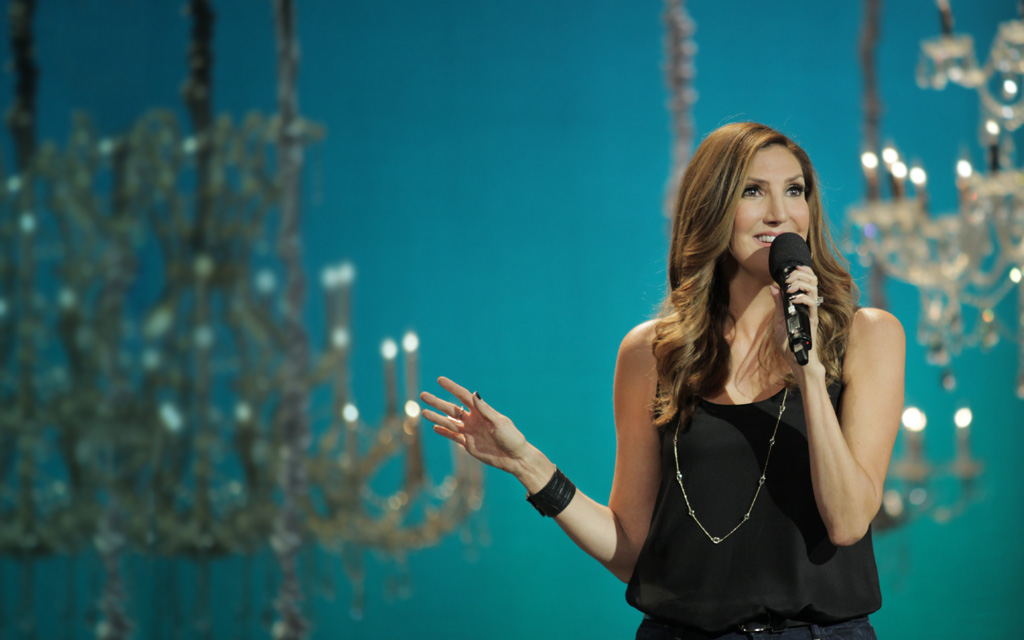
Heather McDonald [Interview]


We are huge fans of stand up comedy here at Trainwreck’d Society. And specifically, we are huge fans of women in this world. The stereotypical “Boy’s Club” mentality is slowly breaking down in the world of stand up, and it is because of talented individuals like Heather McDonald. Much like some of the other female comedians we have had on the site, she is not funny because she is a woman, she is funny because she is FUNNY. And that is what is the most important aspect in our opinion. If you’re hilarious, you can make it if you try. The barriers put up around women in stand up are weakening, and we are so happy to watch them crumble.

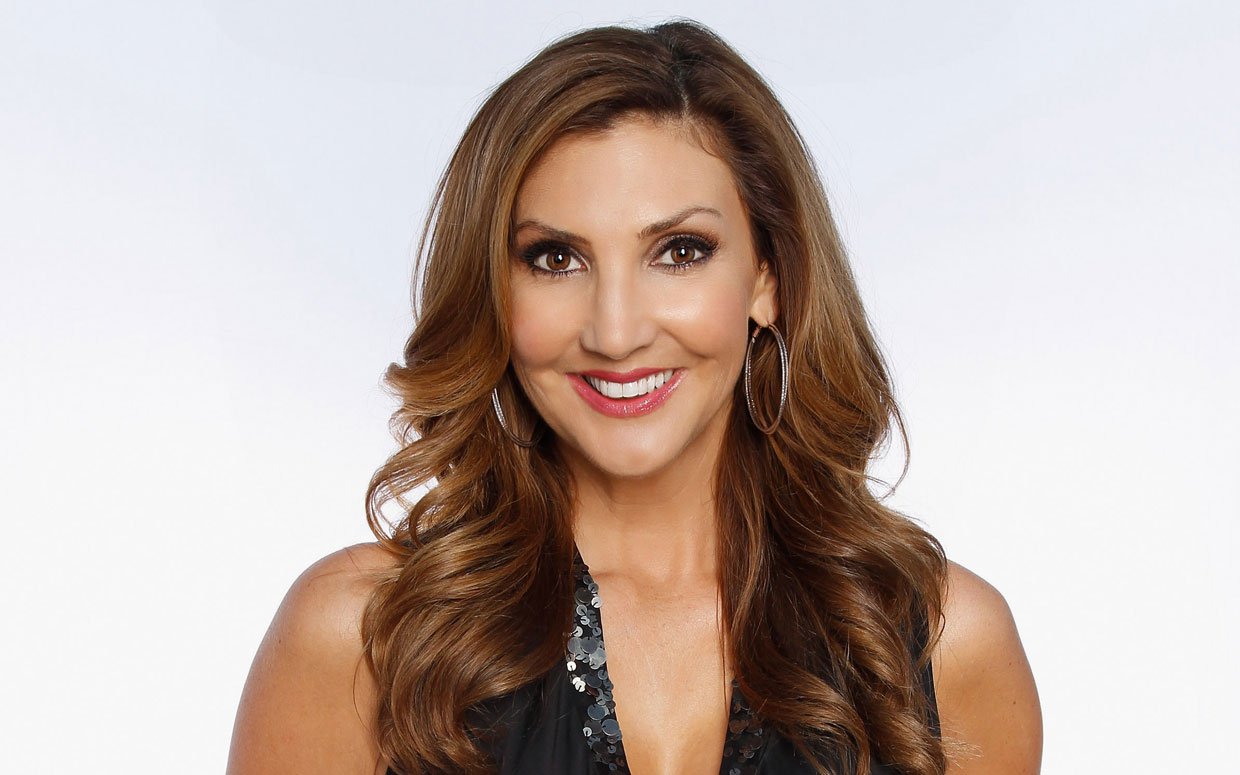
So while we are celebrating Women of the Present this month, we just had to feature a female comedian to represent this world, and I believe we found the PERFECT woman to represent the world of stand up comedy in this showcase. McDonald is obsessively touring, host of a brilliant podcast, a great mom, and one of the main driving forces behind the success of the comedy talk show Chelsea Lately. She’s dynamite at her job, and we are so happy to have gotten some words from this crazy talented individual. So please enjoy a few words with the brilliant Heather McDonald!

What drew you to the world of stand up comedy? Do you have the traditional fucked up childhood that just made you naturally funny? Or was it something simpler?

I knew early on that I had a unique talent to make people laugh and was good with impersonations and imitations, but it wasn’t until a year after college graduation that I went to a class. The class taught me how to make my funny stories relatable to people who didn’t know me and that’s when I really decided to purse stand up.
I don’t think I have the traditional family story in the sense that from a very, very young age we would watch An Evening at the Improv and my Dad told me that I would be up there one day. Most stand-ups can say their parents weren’t encouraging but mine were very, very much so. They came to all my shows and brought their friends.

BUT I do ALSO have a fucked up family being that I come from a big Irish-Catholic family. I’m the youngest of five and I’m estranged from a couple of them… I get in depth about my family on my podcast Juicy Scoop with Heather McDonald on episodes 35-45.

What were some of your earliest influences? Where you a fan of comedy growing up? 

Yes I was absolutely a fan growing up. I loved watching I Love Lucy reruns but I also liked more adult themed sitcoms like One Day at A Time and Alice. They were mature, depressing sitcoms for a kid but I loved them. I would stay up late to watch Joan Rivers anytime she was hosting the tonight show. I would pretend I had homework and would sneak upstairs. I also loved Roseanne.

While I know, as a fan only, stand up comedy has always had a “Boy’s Club” feel, I can’t help but feel like women are simply KILLING it lately. And you are definitely at the top of your field alongside other brilliant females like Jen Kirkman or Emma Arnold. So, basically, what are your thoughts on females in comedy? Are we ever going to be able to drop the “female comedian” label? Is the comedy world progressing?

Yes, I think the comedy world is progressing and now is the best time to be a female comic. I think we have younger men to thank for that because they aren’t seeing it like, “oh she’s female so she’s a chick comic.” Men, like women, are going to comedy shows based on whether or not they find the comedian funny; not because of their gender, color or sexuality.

People are attracted to comics they relate to. So yeah, women are going to relate to me more than they would Louis CK. I don’t think there is anything wrong with marketing yourself as a “female comedian” when that’s who you are to the people who really like your comedy.

Do you have any good heckler stories you would be willing to share with us? How do you handle them?

I have been very lucky in this respect. Where I am now, it’s never like, “you suck” because the people who pay to come to my show like my comedy. The only ones I have to deal with are what I like to call,
“The overly supportive.” It’s usually a group of women who are so excited to be at the show that they get really drunk and turn into black women in church. Every time I say something it’s “go girl”, “Tell em sistah” or “Preach” … and I’m glad they are enjoying the show but it’s disruptive to my story and it annoys the audience. I don’t want to single them out but the club staff doesn’t always catch it. Usually I’ll just say, “hey thanks for the feedback…” and they get embarrassed and leave.

Between your stand up, books, show writing, hosting, podcasting, acting, etc. you just never seem to stop! Which is great for everyone! But, if you were only allotted the ability to do only one, what would it be?

Aside from being a great mother (wink), I’d focus on my podcast Juicy Scoop with Heather McDonald because I love doing it. I love how loyal my fans and listeners are. I like that I can connect with them without having to get on a plane and I can do it no matter how ugly I look or what I’m wearing. With the podcast, I get to make the decisions and create the content. With acting, the show has to be written, I have to be cast, I have to wait for a production schedule; with the podcast all of that is on me- it’s something I make happen. When I need to wait for other people to say yes, it makes it a more difficult endeavor. Third would be stand-up.


When you’re not working so diligently, what do you do for fun? How do you take advantage of your time with family when you’re off the road?

We love taking our two sons to the beach. We also like to mini golf, play scrabble and go to six flags Magic Mountain. I love hurricane harbor and all water parks. I’m that mom who goes on it all with their kids. They appreciate it. I also enjoy getting drinks and dinner with just my husband or with other couples. And of course I love a good girls night out.

Speaking of the road, what are some things you like to do to kill the time when you aren’t on stage?

I’ll often see a movie, go to a spa and get a massage. If it’s a cute city I’ll go shopping. I love to shop. I mostly only go to cute cities now because of the shopping. If there is something the town in known for, like a restaurant or museum or tour, I try to experience that. When I was in Buffalo NY I drove to Niagara Falls by myself. And other times I sleep until 12:30 in the afternoon.

So, what does the future hold for you? Anything you’d like to plug? Any shows coming up?

Juicy Scoop with Heather McDonald podcast is always available on ITunes with new episodes every Tuesday and Thursday.

http://wondery.com/wondery/shows/juicyscoop/

My stand up and Juicy Scoop Live touring schedule can be found at www.heathermcdonald.net.

Check often as new dates pop up all the time. Were currently developing and entertaining ways to make Juicy Scoop with Heather McDonald or some version of it, into a TV show so even more people can enjoy what I do.

What was the last thing that made you smile?

This morning my son put on my sunglasses and imitated me.


Heather is certain to be coming to a city near you. Check out these dates for the rest of April and May:

April 22nd – Nashville, Tennessee @ Zanie’s Comedy Club

May 3rd – Vancouver, British Columbia @ Bitmore Cabaret

May 4th – Seattle, Washington @ The Triple Door

May 5th – 6th – Portland, Oregon @ Helium Comedy Club

May 12th – Atlanta, Georgia @ City Winery

May 18th – 20th – Grand Rapids, Michigan @ Dr. Grin’s Comedy Club

Check out heathermcdonald.net for all updates and tickets!


Beth McCarthy-Miller [Interview]


We are continuing our unofficial Women of the Present showcase with an absolutely amazing interview with a truly inspiring female who has broken down so many barriers with her incredible skills and natural talent. This badass of a woman is the great Beth McCarthy-Miller.

For over a decade, Beth was THE director for what is arguably the greatest comedy series of all time, Saturday Night Live. Her professionalism and expertise shines through on the series, as well as the numerous television shows she has worked on to date. Seriously everyone, if there is a comedy series you love that has aired in the last 20 years or so, she has been a part of it. From shows featuring or old friends Scott Adsit and Kevin Brown like 30 Rock, to Parks and Recreation (also featuring our old friend Alison Becker!), she has been there for them all. We talk about a lot of them in our words with this fantastic director who has risen to the top of not only women in television directing, but in television directing as a whole.

Beth is an amazing and inspiring figure, and we are so honored to have her on the site today. So please enjoy some great words with the wonderful Beth McCarthy-Miller!

What initially drew you into the business you are in, and have had so much great success in? Was television always the world you wanted to be a part of, and what you aspired to excel in?

I loved TV when I was a kid, and we were not allowed to watch it too much, so I especially loved when I spent the night at a friend’s house and got to watch all the TV I wanted:) I wrote some of the assemblies we had in High School and most of them were comedic. I even wrote a spoof of Weekend Update when I was on High School. I was in plays as well, but I quickly decided I wanted nothing to do with being an actress my freshman year of college. I had grown up in a house where everyone LOVED music and I was no exception. My parents loved Big Band, crooners and loved Broadway musicals. I had 4 older brothers and 4 older sisters, so there was almost every genre of popular music being played in my house at any given time. I DJ’d all through college and majored in Radio, TV and Film, thinking I would go into hard news. I interned in news and decided it wasn’t for me. I was lucky enough to find out about an internship at MTV from my brother, Robert, and began working there in 1985, the summer I graduated from college. I was immediately hooked. It combined 2 of my favorite forms of entertainment: TV and music. I initially had no idea WHAT I wanted to do at MTV, but I just knew it was where I wanted to be. The next couple of years were happy accidents. I got a job being an assistant to the line producer at the studio that fall. I spent every day seeing the daily operations of a studio and MTV was a real factory of television. We shot every day, 5 days a week, doing everything from simple J wrap-arounds, to 1/2 hour shows and musical performances when an artist came by the studio.

I spent the next 2 years taking jobs for more money so I could stop waitressing on the weekends…no lie. MTV was a great place to get experience, but not a great place to make money :). So, when a job opened up to train as an Associate Director, I took it. When a job opened up to train to be an Associate Producer, I took it…and so on. But, when a full-time producer job opened up and I was about to take it, the 2 directors that I worked for sat me down and told me it was a mistake. They felt that I was going to make a great Director, and that I should hold out until a job opened up. They told me that I was next in line to get that job. I took their advice, and it was the best advice anyone has ever given me. My life and experience at MTV was invaluable. I learned so much from everyone I worked with and I was able to really get better at all of the mechanics of directing. I was directing all the time at MTV and I got to do so many different genres of directing. I did news shows, comedy shows, stand-up, music performances, interviews, and big live events on a regular basis. It was at MTV that I met Jon Stewart, directed his talk show and left with him when the show went into syndication. Jon is just so talented and so special, and I learned SO much about comedy from him. He is so smart and so generous and I was so blessed that our paths crossed. My time with Jon was a pivotal point in my career. I went to SNL after The Jon Stewart Show got canceled. I don’t think Lorne would have given me a 2nd look if not for the quality of the sketches that I had from The Jon Stewart Show.

Photo by Barry Goldenberg for emmys.com

You had an amazing run on Saturday Night Live that lead to some of the finest SNL moments in their history. What was it like to be a director for a show like this? I’ve only heard of the organized chaos that ensues, is this true? Basically, what does directing a live show like this entail?

It is so hard to describe the incredible honor it is when Lorne Michaels offers you a job to work on one of the longest-running, most celebrated comedy shows of all time. It was the most exciting and terrifying experiences of my life. The show had been on quite successfully for 20 years before I stepped foot on it, and a large number of staff had been there for many years already; some since the first episode. So, it is impossible not to feel like a comedically large wrench being thrown into a very well-oiled machine. The first 4 months were really hard and I really felt like I would not make the whole first season. The saving grace is that there were SO many new cast and writers that we kind of felt like we were in it together and that helped so much. The show is such an unbelievable process and it is amazing that it gets pulled off every week. Every department is literally THE BEST at what they do…it would not get on the air if they were not. The sketches get written on Monday and Tuesday and the show gets picked on Wednesday night after the table read. Remember, there are more sketches picked than what you see on the air. We go into the dress rehearsal with 3-5 more sketches than what gets on the air. So, Thursday and Friday is rehearsing, building sets, making costumes, getting wigs, props, graphs, rewrites, and all the while, maybe writing a new monologue or cold open because one didn’t get picked or you are waiting for something that is happening in current events. (like a debate). Then, Friday night, I would spend half the night marking a script with every camera shot, cue, and element of the show in it. That script is what we all would start working off of on Saturday morning. Then, we would spend Saturday doing a run-through of every sketch and continually through the day getting changes and some rewrites. The evening starts with a dress rehearsal that can last over 2 hours, which is a full show with an audience. That show is done a little after 10P and then the process begins of picking the show for air. Once the show is picked, it is a meeting with notes and changes that you get out of around 11P or so. It is then a melee of set, costume, and script changes, notes galore, audience loading and all before going on the air at 11:30. One of my favorite things that Lorne always says about SNL is that we don’t go on the air because we are ready, we go on the air because it’s 11:30. There are several changes that happen all during the show as well. Sometimes, we make set changes and the AD is counting back from 10 and the furniture is being dropped into a set and the cast sits down literally 2 seconds before we come up on the air. Not every week is like that, but there are many weeks like that! SO…organized chaos is an understatement:) But, it helps create that magnetic energy that the show has every time you tune into it. And for the host, there is nothing else out there like it except for maybe opening night of a play? So, they do opening night of a different play every week!

Photo by Dana Edelson of NBC for emmys.com


Without trying to sound to vague, I have to ask a question about something I have no idea about on several levels….What is it like to be a woman behind the scenes of television? Do you ever feel like a lone wolf in your industry?

You know, I have been extremely blessed in this industry…I have always had both male and female mentors that have always encouraged me and rooted for me. I was lucky to be at MTV during a time where everyone was figuring out what MTV was going to become. I learned so much there and my bosses, who were young themselves, were creative, and supportive and it did not feel like there was a direct hit on me for being a woman. Having said that, I was treated differently by various people, crew and bosses possibly based on being a woman and also for being young . I started directing when I was 25 and when I started directing some of the bigger shows a few years into it, I was 27 on set with several men who were older than me and had been around and were accomplished. I definitely had to prove myself and was looked at differently until they saw me work. I would also deal with most of that stuff with a sense of humor, so I think I won a lot of people over that way, but I have been blessed to have just as many supportive, wonderful people in my corner as those who were not. It is a bit strange that in 2017 there is still the discussion that there are so few women that direct. It’s crazy to me. I love that there is a conscientious effort to give more women and minorities opportunities to direct. There are so many wonderful women that are doing incredible work directing right now in comedy and drama, and I am a full-on geeked out fan of them!

In your expert opinion, how has the world of show business changed for women since you first began or now hugely successful career? Are things better?

I think that the industry has definitely opened up more doors to more positions for women over the years. I think things are better. There is also SO much more content being made that there are just more opportunities for everyone! I cannot believe how many channels make original programming now, never mind all of the streaming services as well. I think that TV has been in a bit of a renaissance. You see actors that normally do just film taking these boutique TV projects and getting incredible acclaim for them. So many creative people are thinking a bit outside the box and doing different types of programming that is allowing some exquisite talent to don TV sets and streaming devices. Binge watching has also changed the business quite a bit. It will be interesting to see what evolves over the next few years, but I am enjoying getting to see some fabulous actresses doing incredible work on TV in between their movie schedules.

You have also been the woman behind the camera for several comedy specials for some of the finest comedians in the business, from Jim Norton to Bob Saget to Dave Attell, the list goes on and on. What is it like to direct a comedy special? What are some things that go into filming a special that the average viewer may not be aware of?

Directing comedy specials are a BLAST!!! Especially when it is someone who you are a fan of or love! The real trick to directing a stand-up special is all about rhythm. Every comedian has a style and rhythm to their comedy, and if you can get into that rhythm, directing the cameras becomes almost easy. I spent a lot of time with Jon Stewart in my younger years and we did a talk show together. When I did his HBO stand-up special, I knew the rhythm to Jon’s delivery so well by then, it was easy for me to direct the special. It was a process to decide the look of it and come up with all of the aesthetics of the shoot, but once we went live on the air, it was all about rhythm. When I don’t know a stand-up’s work as well, I really love to go see them perform a few times and watch tape of them because it really helps me see the rhythm, cadence and structure of their joke telling. It also helps me get familiar with the material so I know when it’s about a facial expression, or a big physical move, or a dead stare to punctuate the joke. All of those things enhance the performance if you can nail it on camera. But, the hard thing is to not start laughing and get caught up in the show. That has happened to me more than once! You start enjoying the show so much that you lose your rhythm a little. Jon, Dave Attell, Chappelle and Wanda Sykes made me laugh so hard at certain points that I forgot I was working for awhile:) There have been so many more that made me laugh really hard during the show that it is hard to stay focused. I love seeing the different styles comedians have and how their particular delivery really enhances their jokes. Daniel Tosh was so much fun to watch how his pauses and style add to his jokes and of course Jerry Seinfeld could read a phone book and make me laugh….

In the last few years, you have managed to direct for a plethora of some of the best television shows of our time. I would love to ask you about every single one, but I know you are a very person and don’t want to hold you up, so I will just specifically ask about one…Unbreakable Kimmy Schmidt. I adore this show, and feel like it is a true inspiration in regards to women in the world of entertainment. So, how was your experience on this show? Was the making of the show as fun as it is for us to watch it?

Well, I would follow Tina Fey into a burning building carrying Robert Carlock on my shoulders, so doing that show was a no brainer. I was such a fan of Ellie’s and she had done some stuff for me earlier in her career, so I was SO excited to work with her again. And, what can you say about Titus??? Ridiculously talented and incredibly funny. It was an absolute thrill to work with Carol Kane, a comedy legend and I love anytime I get to work with Jane. That show helped me get through mourning the loss of 30 Rock. It was a lot of the same players and crew, so that was like a bit of a reunion. That show is so brilliantly crafted…well written and superbly acted….it is easy to come along for the ride. I love getting those scripts because I literally laugh out loud while reading it. It is so much fun to shoot those episodes. I just did one for Season 3 that is terrific, written by Tina, and guest starring the fabulous Maya Rudolf. It is spectacular:)

When you look back on your amazing career thus far, what would you say you are most proud of?

I don’t know how amazing it is, but it is hard to point out one particular thing. There have been certain hurdles that I have jumped over in my career that I am amazed I got through with little scarring…the 1st SNL I directed, the live 30 Rocks, The live Sound of Music, The Superbowl Halftime Show. I am really proud of the work I did in my early years at MTV like Unplugged, The Jon Stewart Show and some of the Video Music Award shows I directed. I am really proud that I survived SNL and lived to tell the tale…I really loved the live 30 Rocks and was unbelievably honored to be asked to direct the 1 hour series finale. That meant so much to me and the show was incredible. I was really proud of the way The Sound of Music Live came together and was so thrilled to work with all of those incredible artists. I tried really hard to make that seem filmic and it was exciting that it spurred so many other live events like it. I think that the 9/11 telethon that I did just a few days after the towers fell was one of the most heartfelt and heartbreaking things I have ever been a part of….and I am proud that it was beautiful, poignant and extremely successful in raising funds for all of those lives who were affected. I am hoping my most proud moment is yet to come!

What is next for you? Anything we should be looking forward to in the near future?

I am knee-deep in pilot season. I am shooting one right now fro Melissa McCarthy and Ben Falcone’s company for Fox and right after, I am doing another one for ABC. So, I am REALLY tired:) Just kidding…it is all good and I am so excited about both projects. They are really funny scripts! After that, I am shooting a few other things like an episode of Divorce for HBO and The Good Place for NBC until the middle of June and then it’s summer vacation!!! My husband is a school teacher so we preserve that time to all be together.

What was the last thing that made you smile?

My son’s school has a talent show every year and I asked my 11 year old if he wanted to participate. He first said no and then he said maybe. I asked him if he wanted to sing (because he actually has a great voice) and he said “no”. He told me that maybe he would tell jokes because “you know Mom, everyone at school thinks I’m pretty funny”. That made my heart happy to know that he appreciates humor like I do:)

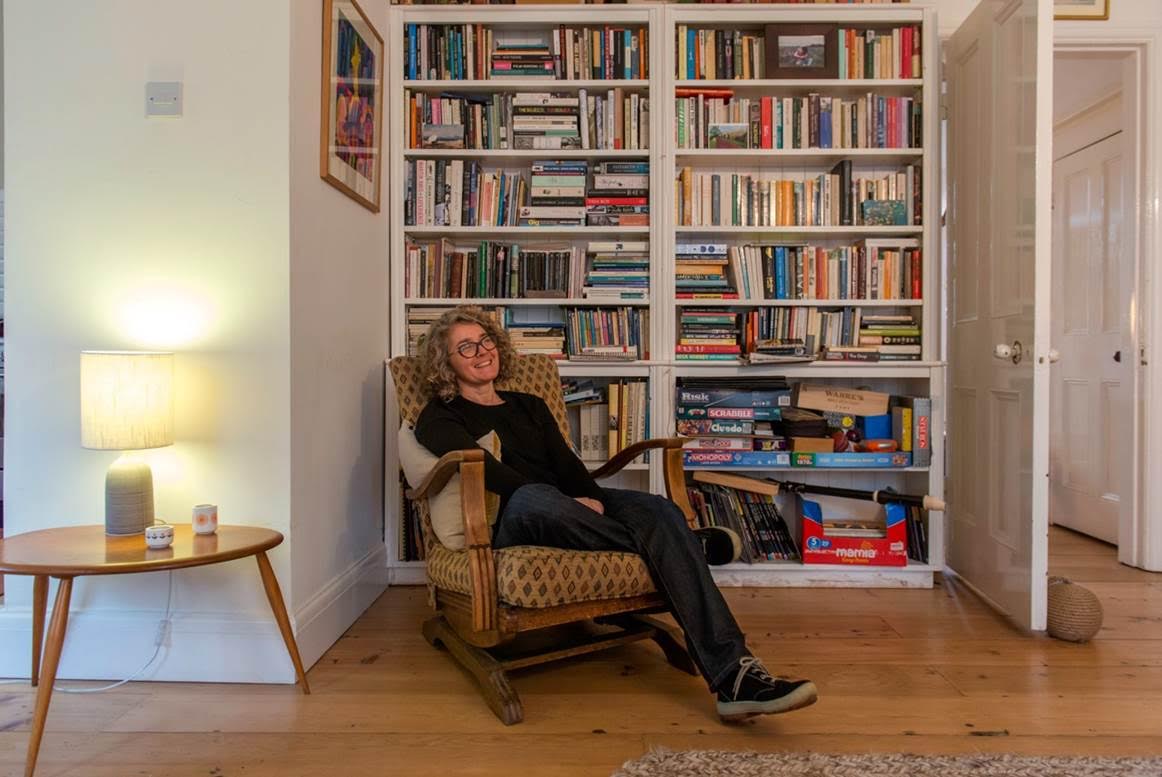
Gaby Chiappe [Interview]

Photo by Lizzy Coombes

At times we tend to stumble upon some amazing interview opportunities that we just weren’t expecting. When we announced that we were looking to a bit of a celebration of women behind the scenes, a wonderful person was bestowed upon us as a possibility to be featured on the site. Not only because she is a perfect representation of women in the industry, but because she is an extremely talented individual with some great stuff coming up.

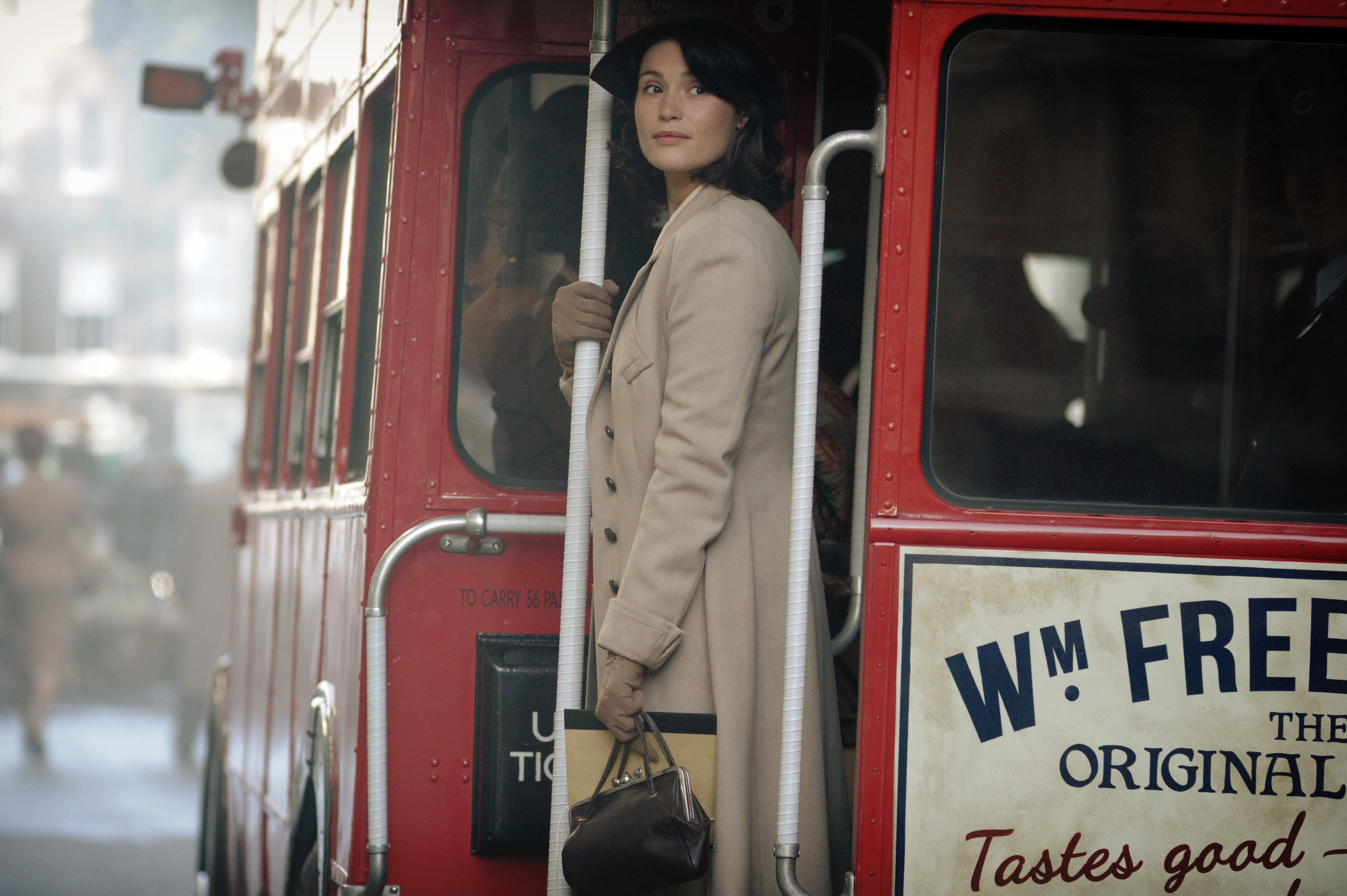
Gaby Chiappe is a screenwriter from our (new) side of the pond out here in the UK. She has written for the acclaimed series EastEnders, and so many more in the BBC world. But, what we are most excited about is her work on the upcoming film about a British film crew who attempts to boost morale during World War II by making a propaganda film after the Blitzkrieg called Their Finest. Chiappe was behind the screenplay adaptation of Lissa Evan’s wonderful novel, and from what we have seen thus far, it is going to be one of the finest films of 2017, for sure.

And, as we will mention below, this is a revolutionary type of film simply for how it is being made. It is written by, directed by, acting fronted by, and from a book written by….women! And to top it all of, they are all DIFFERENT women. And even more of the crew are women. It is an incredible showcase of the wonderful talent that is available in the world of film and television. Therefore, we are so proud to have Gaby featured in our Women of the Present showcase. So please enjoy some great words from the amazing writer, Gaby Chiappe!

When did you first realize that you wanted to write for a living? What were some of your earliest inspirations?

I loved stories as a child – however they were delivered – TV, film, books. … I read voraciously (and without much discrimination!), and I spent an awful lot of time making up stories in my own head – but what I really wanted at that age was to be an actor, because that seemed the most perfect way to disappear into a story. Then when I was older I thought I wanted to be a novelist – novels were what I knew, it didn’t occur to me that the films and TV I watched were also written. When – due to a lot of luck and some happy accidents – I discovered screen-writing, it made sense of everything I’d ever been interested in – a raveling together of all these separate threads I’d been pursuing.

I am actually a very recently transplanted American living in England, and am fairly new to some of the concepts of British television. So, in your obviously expert opinion, why do you believe the length of so many shows coming from BBC and the like are kept to only a few seasons, rather than milking it for all it’s worth as we would do in the states? Do you believe this works better for everyone?

I’m really not an expert! And I don’t know enough about how American shows work, but I think the resources available to develop those shows in the US is much greater than in the UK and that has an impact. We do have shows that return again and again and stay strong – but they tend not be on the scale of their US counterparts, maybe six or eight episodes a season as opposed to thirteen or more. From what I hear about writers’ rooms in the US, you have a large number of heavily-resourced writers working collaboratively with a show-runner to break stories over a large span of episodes. With the best will in the world, no one has the money over here to fund that kind of system. I don’t think it impacts on quality – both systems can produce great shows and poor shows, but it does mean that in the US you can produce more episodes, more quickly.

Can you tell us a bit about the upcoming film that you wrote and is set to be released this month  entitled Their Finest? What can the viewer expect to embrace and be thrilled by?

Their Finest is an adaptation of Lissa Evans’ novel Their Finest Hour and a Half. It’s about the making of a morale-boosting film in the UK in the early part of the second world war – the film starts during the Blitz. It’s also about a young woman (Catrin) growing into herself – dealing with the daily grind and fear of life during wartime, but also unfurling to fill the space and opportunities this rapidly-changing world is giving her. Gemma Arterton gives an amazing performance as Catrin, she’s got this quiet core of strength and self-respect which blossoms through the course of the film into a new kind of confidence and a conviction of her own worth. Like Lissa’s novel, the film is funny and moving and surprising – it’s also beautifully acted and directed.

One of the characters in the film, (Buckley, a screen-writer), says that a film needs to be worth both the money and the time someone has given up to see it. What I hope is that people come away feeling exactly that – that it was more than worth it.

Their Finest is also a film that was a book written by a woman and then adapted by a woman, directed by a woman, and has a woman as the lead role. And all four are NOT the same person! That is incredible! In your personal opinion and as someone involved, what do you believe these facts added to your lovely story?

Btw – The editor and composer are also both women – as is one of the two producers.

I can honestly say, I never thought about it – it’s my first screenplay, I didn’t have anything to compare it to. It’s only when people tell me this film has an unusual number of women involved that I realise it’s not the norm. And because I have nothing to compare it to, I don’t know what the alternative would have been. All I know is that it was an incredibly happy working experience for me.

Their Finest Hour and A Half
Directed by Lone Sherfig

With a career spanning a solid couple of decades, how do you feel the role of women has changed in the world of British television writing? Are women finally getting the respect they deserve, or is there still a sort “Boy’s Club” feel going on?

It’s an interesting question…. I think there are probably still more male writers than female writers who are considered A-listers – but I would be interested to know how many writers who actually make a living are male and how many are female, and also whether there’s a difference in the kind of TV they’re commissioned to write.

Their Finest Hour and A Half
Directed by Lone Sherfig

And when you look back on your amazing career, what would you say you are most proud of?

Oh, there are quite a few things I’m proud of! To see my first screenplay made still feels extraordinary. I am also very proud of work I did on Shetland (BBC) The Level (ITV)….

And the first episode I ever wrote of Eastenders made me very happy…

But maybe just as important are the things I wasn’t proud of – there have only been a couple, but I know that I never, ever want to be watching something again and think ‘I could have done better’. It’s a really grim feeling.

What is next for you? Anything else we can look forward to in the near future?

I’m adapting Dark Matter by Michelle Paver for Amanda Posey and Finola Dwyer at Wildgaze films (Amanda is one of the Producers of Their Finest). It’s another fantastic novel but very different from Their Finest. It’s a ghost story set in the Arctic – three men alone in a cabin as the polar night begins. It’s beautifully written – moving and pared down, and very frightening.

Their Finest Hour and A Half
Directed by Lone Sherfig

What was the last thing that made you smile?

The fact that it stayed sunny all weekend – in Yorkshire, at least.

Check out the trailer for Their Finest, in theatres soon!

Rose Ganguzza [Interview]

So, last month was the official “Women’s History Month”. And we didn’t really chime in too much. In fact, we mostly talked about a video game. There were women involved with it though! Some damn fine ones too. And then we promptly did a week of white dude writers. And truthfully, we are not ashamed. But, we do want to take some time to focus on some of the amazing females working so damn hard in the entertainment world. Because for us, there is no “Women’s History Month”, because in our world, women are everywhere, and are always doing amazing things. Sadly, our world is not a real as we would hope it to be. So with that, we are continuing the celebration of women here in the month of April, where we are going to celebrate some amazing women working in all sorts of different aspect of the world of film, television, music, and more. And we have a damn fine one for you folks today!

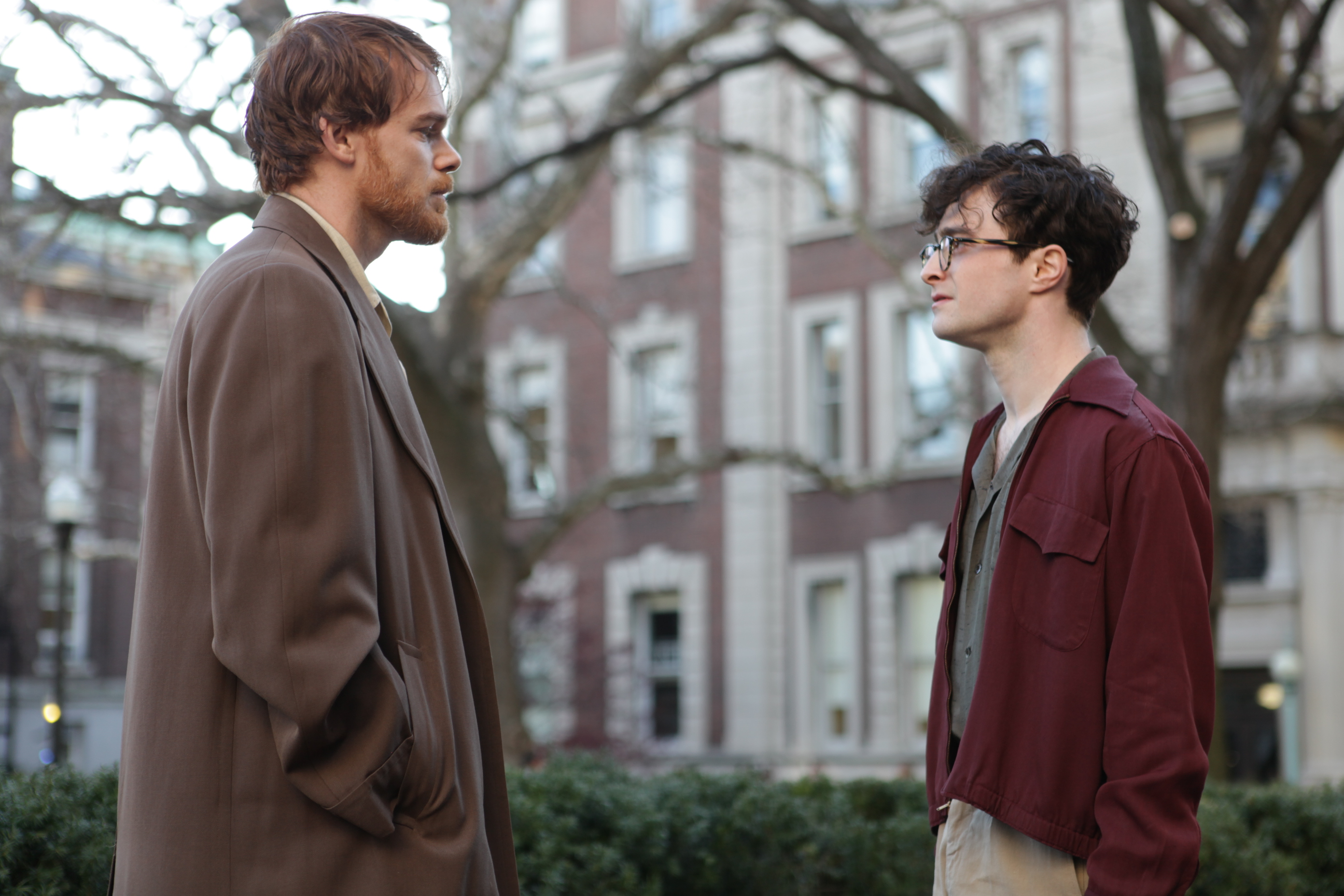
In the world of independent cinema, Rose Ganguzza has been called “The Godmother of Young Filmmakers”. And this would a very accurate title, as she has helped kickstart the careers of some amazing filmmakers, simply by believing in them. And by knowing what makes a damn fine script, which will make a damn fine movie. She has worked with our new friend Sean Stone, so you know she has an eye for talent. She also produced the film adaptation of one of the most bizarre events to ever hit the world of literature, featuring a group of characters who had no idea how greatly they would impact the world of modern literature. I am talking of course about the film Kill Your Darlings. If you haven’t seen this film, first of all – shame! Second of all, you have to see it. Do yourself a favor, read the book And the Hippos Were Boiled in Their Tanks by Jack Kerouac and William S. Burroughs, and then watch this insane story come to life in the Rose Ganguzza produced modern classic film. You will not be disappointed.

I truly believe that Rose is the perfect woman to kick off what we are calling “Women of the Present Month”. She is a real powerhouse in the world of film, and has earned the right to be so. And we are so happy to have her join the Trainwreck’d Society family, and thankful she was willing to share a few words with us. So with that, please enjoy some words with the amazing producer, Rose Ganguzza!

How did you find yourself in the business as a producer of some very amazing films? How did you start in the business? And was producing always a passion of yours?

I always liked storytelling and as an undergraduate I majored in English Literature. But by the time I got to Columbia, I was given a fellowship for international affairs, so my reality was diplomacy and my specialty was third world countries.

After I graduated I went to work for the Brazilian Government in trade promotion and soon realized that major multinational companies and banks working in Latin American were not able to repatriate their profits. What I came up with was a way to create debt equity swaps for American movies being filmed in Latin America. This also later led to me doing barter syndication in Latin America for Jim Henson.

What are elements of a project that really speak to you as a producer? I imagine marketability is a thing, but how do you know as a producer when you have found a project that you know you can get behind 100%?

I have a strong marketing background so before I take on a project I think of how it is going to be marketed and who is my audience. Of course, for me, the most important thing is the script and the story. If it is not on the page it is not on the screen.

The art of good storytelling is key. There is no point in the amount of work we have to do to make a film if the material is not of a high level.

I have to ask you about Kill Your Darlings, which was about a time in history that I was very familiar with, and was not let down when seeing it come to the big screen. What made you believe in this project enough to back it? Were you a Beat fan prior to working on the film?

I graduated from Columbia and was particularly drawn to this story as part of the history of my alma mater. The fact that the story had been hidden for so many decades because of the details of Lucien Carr’s case intrigued me.

I am also a student of the history of the 1940s and was drawn to wanting to recreate the period. I also liked telling the story of these young poets before they became famous, when they were just students, having to deal with all the challenges that young people face in every generation. There is a commonality in those challenges.


What are your thoughts on the current involvement of women in the world of filmmaking and film production? Does it seem that the barriers of the “Old Boy’s Club” are being let down at all? On the surface, it feels like we are seeing more women doing amazing things behind the camera, but it’s hard to believe that the gender gap is dissipating, as it has been so detrimental to great talents of the years. So, what are your thoughts on the matter? Are women finally getting the respect they deserve?

I think that women are rocking our industry. In every area of our world women are making their mark behind and in front of the camera. This shift allows us to tell more great women’s stories as well.

My feeling has always been that no matter what your gender you have to work really hard to get the things you want in life.

So, in my mind, it is determination and talent that gets you to the top.

Who are some of your favorite female filmmakers and writers working today that you feel should be receiving much more attention in this world than they currently are?

I am a huge fan of Reed Morano who started as a brilliant cinematographer and is now getting much deserved attention as a director. She is strong and enormously talented.

What would you consider your dream project that you haven’t yet brought to life? 

I have a script that I love called Mary Shelley’s Monster about the haunted summer of 1816 and the Romantic Poets. It is told with Frankenstein’s Monster being Mary’s dark passenger throughout her life, who survives way beyond her death. I love the aspect of the sex, drugs and rock ‘n roll of the early 1800s and that movement which was a precursor of the Beats and the Hippies etc and produced some of the greatest literature of all time. Just in that one summer, we got Frankenstein and Vampyre, the first Vampire novel.

What do you have coming up that you would like to tell our readers about?

I am producing this spring a film based on a script written by Julian Fellowes. It is about a 16 year old Louise Brooke coming to New York in 1922 from Wichita, Kansas with her chaperone. It is called The Chaperone.

In the fall, I am doing a film called Poms with Diane Keaton, about a cheerleading squad in a retirement community.

I am now filming the movie Fatima, about the 1917 Miracle which happened with the three children in Fatima, Portugal.

What was the last thing that made you smile?

I smile every day at the wonders of life.

Alan B. McElroy [Interview]


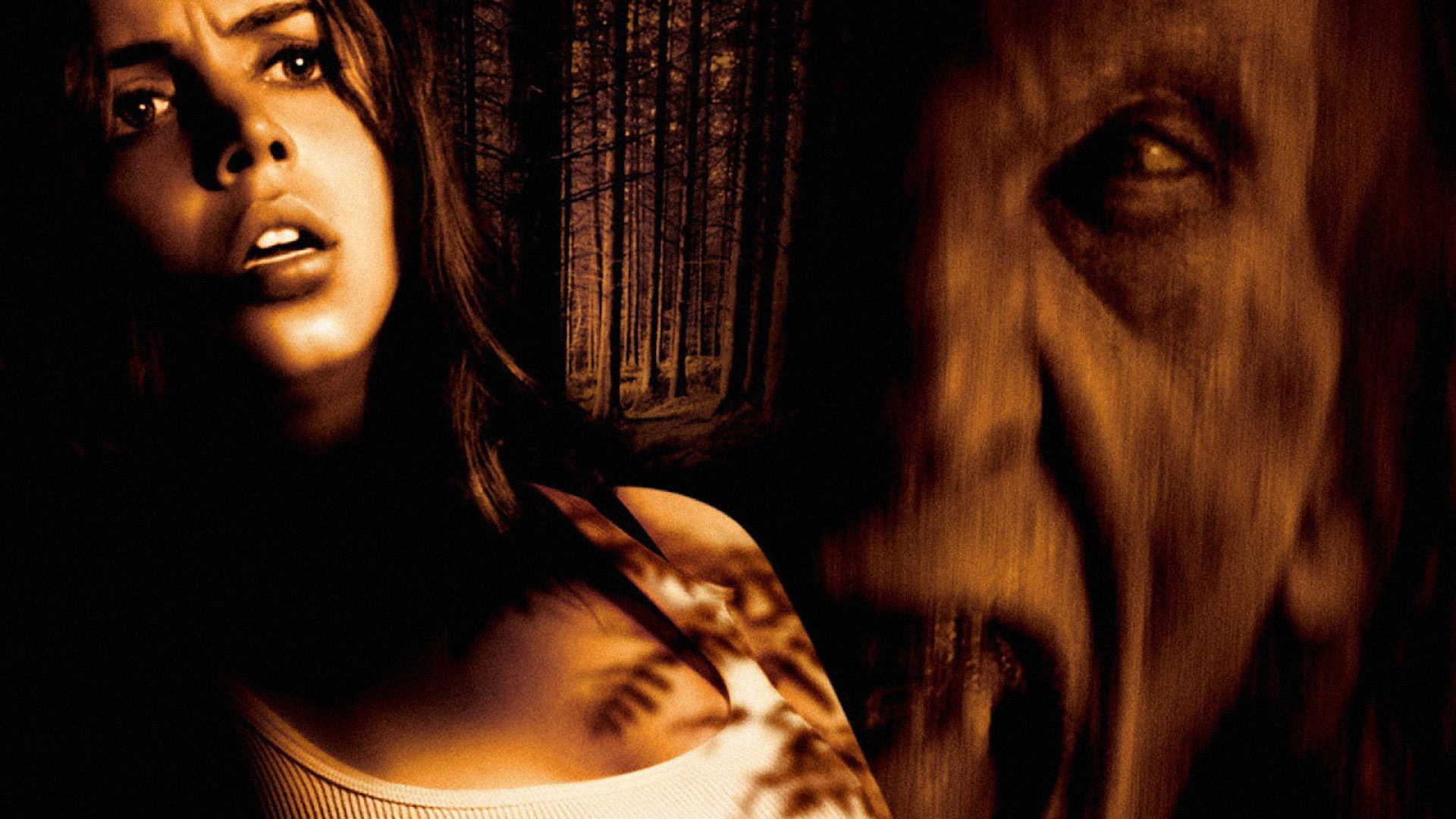
Our unofficial week of writer celebration is ending! Of course, it will always reappear since, as we have mentioned in the past, we LOVE writers. The storytellers are our favorite part of the world of entertainment. And today we have another damn fine storyteller. Alan B. McElroy is the creator of some of the finest work in the world of horror, action, and more. In fact, he is the man behind the creation of a series that we have written about several times on this site already. That would be the Wrong Turn franchise. We have had writers, directors, and actors alike from several different sections of this franchise. But, now we have the big boss man himself!

Alan also happens to have played a major part in the creation of one of my favorite comic book adaptations of all time with his work on the film and animated television series adaptations of Spawn. And of course, his credits just stack up on top of themselves until they create a tower of excellence that simply demands your respect. From films like the film adaptation of the video game Tekken, to the John Cena vehicle known as The Marine, this guy has done so much outstanding work it’s almost too much to talk about. But, dammit we will try!

So ladies and gentlemen, Alan B. McElroy!

You wrote the original story of a horror franchise that has made several appearance on this site over the last few years – the wonderful Wrong Turn. How did you come up with such a brilliantly scary story?

Hi Ron, great to meet you via email and thank you for your interview request. We writers are often left unrecognized in the the industry. You’d be surprised how many people say to me “Oh, I thought the actors just made up their own dialogue! You mean someone writes it all down for them?” Yikes!

Anyway, to your question. The idea for Wrong Turn came from a couple of sources. First, it’s basically Goldilocks and The Three Bears. The original idea was for a short film I’d planned to write and direct called Blur about a bank robber named Avon who, while escaping town with his loot, runs into car trouble and has to detour through nearby woods on foot. He comes upon a cabin that belongs to the three mountain men and hijinks ensue. Secondly, while driving to New York at night, my wife and I ran into a major traffic jam. When we asked a nearby trucker how long the jam might last, he said it could be eight to twelve hours. We decided to check the map and detour around the traffic jam – and suddenly we found ourselves on unfamiliar back roads at night in the middle of nowhere. We both thought, what if we have a flat tire? We could die out here and no one would know where we are or what happened to us. The last piece came together while driving with my wife and kids down to Disney World from Ohio. We drove through the West Virginia mountains and everything felt so remote and almost primordial. That’s when it all came together. I pitched the idea to a producer friend of mine and he said “You should add more characters so you have some kills, and call it something simple, like “Wrong Turn.” There you have it.


And what are your thoughts on what the franchise has become? Is there anything that you believe sets Wrong Turn apart from so many other franchises?

I have to admit that, beyond my own, I’ve only seen Wrong Turn 2. I’m not sure where the series has gone since, but I’m guessing there’s been a lot of death and cannibalism. I can only say that what may set it apart is our natural fear of becoming prey. The idea of being consumed by another living thing seems to terrify each of us on a primal level. Jaws remains popular because we fear being consumed by sharks. Jurassic Park remains popular because we fear being eaten by dinosaurs, even through dinosaurs no longer exist. As to Wrong Turn, we all have an innate fear of our fellow man because we can never fully know someone’s intent toward us. We fear that within those closest to us lurks a deeply hidden ugliness that seeks to “consume us” on some level. Cannibalism becomes a metaphor for ultimate betrayal by our fellow man.

One project you worked on that I know my readers would kill me if I didn’t ask about would definitely be Spawn, both the film and television series. How did you come to work with fellow legendary writer Todd McFarlane?

I got the job because I’d written a screenplay called Bat Out Of Hell about a guy who escapes from Hell and the devil sends three badass bounty hunters after him. The tone was on point for what New Line wanted for Spawn. I met with Todd and the director and pitched them my take for the script. As always, things are changed along the way, but I really enjoyed working with Todd and getting to go up to ILM and meet many of my SFX idols.

What was great about the HBO series was getting the chance to really write it in my own voice and drop in ideas that didn’t make it into the movie. Often when people come up to me and say they weren’t happy with the movie, I tell them to check out season one of Spawn the animated series.


Long time fans of the Spawn comics, films, etc. know what sets it apart from other stories. But, what about behind the scenes? What do you believe it is that makes Spawn and the fine folks like you behind this cult favorite so special?

I think at the time Spawn came out we didn’t have this type of anti-super hero. He’s a dark character back from Hell. He made a deal with darkness for love, but was betrayed. Now he skulks in the alleyways among the trash and the homeless. Spawn was everything that other superheroes were not. Also, he only had a finite amount of power, so everything he did came at a cost. That isn’t the case for other superheroes. In all aspects of Spawn’s existence he is paying a price. I think fans can relate to that. Daily we make choices and those choices have consequences. Spawn’s entire character is born out of his choice to be with Wanda…only to realize that the path back to love travels through a long, dark and deadly valley of redemption.

One of your earliest credits includes penning the script for Halloween 4: The Return of Michael Myers. What was it like jumping into such a well known franchise? Was it nerve racking at all? Where you previously a fan of these movies?

I am a huge fan of classic horror films and the early works of Stephen King. I am and remain a huge fan of John Carpenter. Seeing Halloween and Halloween II were great experiences for me. In college I had a picture from a magazine of Jamie Lee Curtis curled in the hospital room corner holding that .357 magnum outstretched in her fists. I loved that image. So when I got a chance to bring the Shape back I was ecstatic. The only issue at the time was that there was a writer’s strike on the horizon and I only had eleven days to write the script. It poured out of me and, except for some budget issues and creative choices by the director, what you see on screen was what I wrote. I think that’s why people like the movie to this day. Fans can feel my love for the material in the work.


When you look back on your illustrious career thus far, what would you say you are most proud of? 

My career has had its ups and downs. Screenwriting is a tough business and you have to have a thick skin. Most of my films have been rewritten by directors and other writers along the way leaving them painfully and woefully ill-conceived. They do the damage and I have to wear the scars. But that’s the business.

I’d have to say what I’m most proud of is that everyday I continue have a love of film and television. I believe that there are more stories to tell and great, wonderful, thrilling, terrifying, and life-affirming worlds to create. I have been blessed by God to have a very long and, knock on wood, successful career. But I don’t measure that success in box office receipts, but in the simple fact that I’ve been able to raise a family and keep a roof over their heads by telling stories, writing those stories down, seeing them turned into movies and television episodes. No 100 million dollar opening weekend can compare to that.

What is next for you? Any projects you would like to plug that we should be excited to see?

I have a number of projects brewing but nothing I can talk about just yet. I am always seeking new ways to scare and thrill people. Right now I’m trying to gain some much needed experience in television. I intend to create my own series and run my own show. To that end I am working on staff right now to learn the nuts and bolts of what it’s like being in a Writer’s Room, breaking stories, producing episodes, and watching show runners do their thing. I just worked on the final season of The Vampire Diaries which was awesome. Working with Julie Plec and the rest of the TVD staff was like being in a Master Class about series television.

What was the last thing that made you smile?

I laughed uproariously last night at episode 2 of Making History. I love all things time travel. On a more filmic level, I smiled through Logan. What a great character piece. And I smiled at the very end of Split. No spoilers, but anyone who has seen it knows what I’m talking about.

Steven L. Sears [Interview]

Oh man, do we have a doozy of an interview for you fine folks today. This might very well be the most thought out and insightful interview we have ever done. Surely it is at least the longest! And we could not be any happier about that.

Steven L. Sears is a man who has been captivating audiences for over 30 years. He has worked on some amazing television shows in his career, and has continued to dazzle and thoroughly entertain fans of so many different genres. I want to keep this introduction short, as there is A LOT of content for you fine folks to get through here. Let’s just say that Sears is amazing at what he does, and in this interview, he is going to pass along some knowledge to you that will definitely leave you inspired to do whatever the hell it is that you want to do in life. And if it doesn’t, well you have bigger problems I would say. Because Steven lays it all out on the digital table here, and we are so grateful for his presence here at Trainwreck’d Society.

So please enjoy some amazing words with the wonderful Steven L. Sears!

I have learned that you and I sort of grew up the same. As “military brats” that is, feeling like you are always on the move. And we are definitely not alone in this endeavor, I’ve met or heard of plenty of other brats who went on to careers as creative people. For you personally, do you believe that your pick up of a different type of world view might have let you into a life as a creative individual?

I have no idea if the percentage in entertainment is really any higher for military brats, but I’ve certainly been more aware of us. Perhaps that’s just confirmation bias; because I am one, I notice them while ignoring the thousands who aren’t. I can only answer as to how it affected me.

There is no doubt that my upbringing affected my world view and there’s a lot of truth to the fact that my creative side was enhanced as a result of it. For one thing, as a Brat, I moved to a different location every three years as my father was rotated to a new assignment. As a result, I’ve lived in Georgia, Germany, Florida, Kentucky and Washington in my 14 years as an active Brat. That’s a new neighborhood, a new school and new friends every three years.

I’ve had many civvies (that’s you non-Brats) ask me what it was like. They look at me sympathetically and say “It must have been rough, uprooting and moving around the country”.

No, it wasn’t rough. It was AWESOME! I lived all over! I traveled to fourteen nations and 48 states before I was thirteen! New experiences every three years! For a kid, this was an incredible life. Well, it was for this kid anyway.

Now, granted, there are some things that I can’t identify with that civvies take for granted. Nesting, for example. I have never felt the need to “settle down”. The idea of growing up with the same friends through grade school and high school is not a part of my world. And living in one house for your entire childhood? No, can’t see it.

Then again… have you ever been lulled to sleep at night by the rumble of distant mortar fire? I have. Have you ever set your watch by hearing a loudspeaker play Reveille in the morning at Taps at night? I have. Were you raised with such a respect for your Flag that when Retreat was played on base (retiring of the Colors), everyone, including children, would stop what they were doing, turn toward the flag or music, and pause in silence? We did. Do you understand the significance of watching a black sedan slowly drive down your neighborhood street during the height of the Vietnam war? I did.

And have you ever seen your mother swat a broom at a M-60 Patton tank that had accidentally jumped the curb onto your lawn? Yeah. Me.

I was also exposed to all sorts of people and societies and frequently moved from one area of social tolerance to another. Military bases have their own environment, where you don’t choose who you live next to. And it didn’t matter the color, religion or heritage of the person who lived next door, especially when the soldier of that family might be in a foxhole protecting your dad’s back. Contrast that to when my dad retired and we moved to a small Southern town where the school had been desegregated only a few years before.

But aside from all that, it’s how Brats react to it internally that counts more. For me, I had to find a way to fit in as quickly as possible. Mine was comedy. I was the “class clown”. If I could make them laugh, they would accept me. So entertaining became very easy for me at an early age. But, at the same time, creating a “mask” to separate me from the others also became a part of how I presented myself. Face it, not every aspect of who you are is going to be accepted in every environment by everyone. Your core doesn’t change, but you can control what parts the others can see. As a result, I became a very private person and a very gregarious person at the same time.

In a sense, I was always creating a “character” that I played. It’s not that I was pretending to be someone else, but it was, as I mentioned, controlling what others saw. I also developed what I refer to as an “audience eye” as a way to keep track of how I was perceived. This has come in very handy as I try to assess how an audience responds to my writing and characters. It’s a pain in the ass when I’m involved in debates because it also demands I see the other person’s point of view.

But that was my experience and a lot of that was determined by how I dealt with it all. Not every Brat moved into the creative realm and not every creative is a Brat.
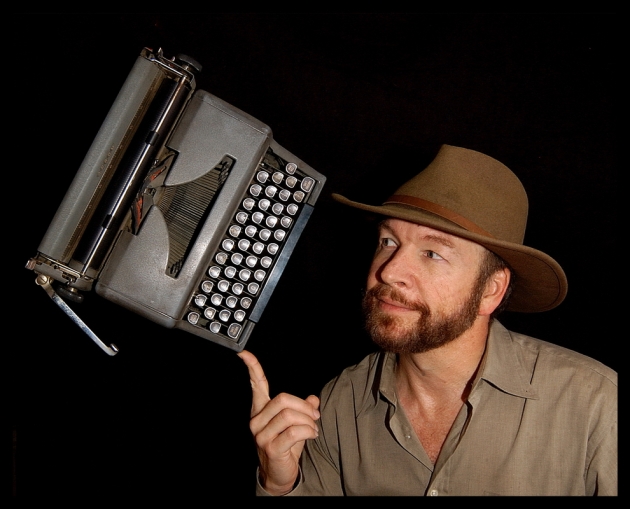

How did you find yourself in the world of television? Were you always aspiring to be a writer, or did you have different plans at first? How did you manage to make television writer your mainstay in the world of entertainment?

Believe it or not, I’m going to try to give you the short answer.

(deep inhale)

I never planned to be a writer. Never. I didn’t even consider you could make a living at it; it wasn’t even on my radar.

When I was around thirteen or fourteen, I decided to audition for the State Play of Florida; Cross & Sword. My audition consisted of reciting the Gettysburg Address (thank you Boy Scouts!) and I got the role. From that point on, I was interested in acting and performance. I joined the school drama club, acted in all the plays, and did some regional work. As a result, when I entered college, my major was…. medicine. Acting was fun, I loved it, but I was looking toward my eventual career. My dad had retired and become an administrator of a hospital, so I was always around it and interested in medicine.

However, it is commonly accepted that a degree in Medicine is extremely difficult to do with a “C” in basic chemistry, which is what I got. So I was a bit lost at that point and went from Medicine to Liberal Arts (a degree which, I’m convinced, is like a way station for those who haven’t a clue what to do).

Enter Richard Dreyfuss. Yes, the actor. He had just won the Oscar for his performance in The Goodbye Girl. When that movie came out, a lot of my friends were telling me that he played me; the character was a lot like me. Well, maybe. But when he won that award, I remember thinking “It’s not like I’d have a chance. Only special people win the Oscar.” As soon as those words appeared in my mind, I realized he never would have gotten close to that award if he thought the way I just did.

That was the day I decided to switch my major to Theatre and become an Actor.

(did I mention this was the short version?)

So I got my degree in Theatre from Florida State University (Go ‘Noles!) and moved to Los Angeles. After meeting with several casting directors and hearing their thoughts about actors, I decided to start writing my own audition material. Just three page, three minute audition scenes. They became popular with other actors and, on advice from one of those casting directors, I decided to attempt writing a script, just for the fun of it.

The script I wrote sucked. It was horrible. But I LOVED writing it. I wanted to do more. So I started getting copies of TV scripts and began to study them. Again, with no thought of actually writing as a career, just because it was… well, fun.

Enter Burt Pearl. While working at a restaurant (how cliché) I met Burt Pearl, who became my close friend and co-conspirator. He was an extremely creative person and we decided to write a few scripts together.
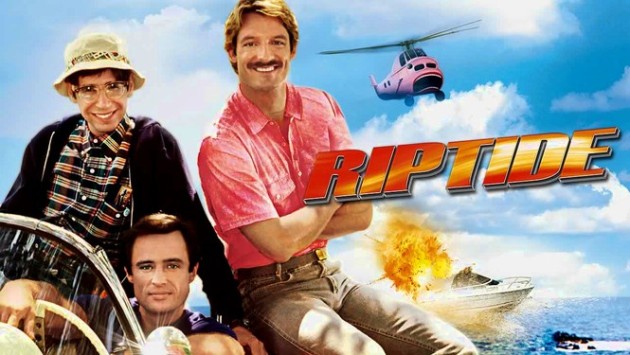
Enter Riptide. A new series on NBC, produced by the Stephen J. Cannell company, which also produced Greatest American Hero, The A-Team, Hardcastle & McCormick and many other series. It was the elite production company of the time, still run in a very mom & pop manner by Steve. Burt and I liked the show so, as was our routine, I called over to see if they had a Writer’s Guide that we could look at. Again, I have to stress, this was just so we could have one. Not to get a job. The person I ended up talking to was a woman working in the production office. She said they didn’t have a Writer’s Guide, but she asked if I liked the new series. I told her I did and we proceeded to have a great conversation (most of it non-business). Toward the end of that conversation, she told me that the producers of Riptide were looking for freelance writers. She suggested that we have our agent send over a couple of samples of our work. “Who knows?” she said. I thanked her and that was the end of the call. She didn’t know who I was, I didn’t know who she was.

Burt and I didn’t actually have an agent, but we knew one who would talk to us. I called him, told him about the conversation, and suggested he send over some scripts.

(still the short version of this story, by the way)

About a month later, we got a call from Tom Blomquist, the Story Editor of Riptide. He wanted us to come in and meet him and the Executive Producer, Babs Greyhosky. Burt and I went in, wondering why they wanted to meet with us. We had never had a professional meeting about writing. We had a great time with them and they asked us for some of our ideas. We pitched five notions. They liked three and asked us to come back when we had those more fleshed out. We worked out two of them and came up with a completely new idea. We went back in, repitched the two and pitched the new one. They liked the new one and asked us to come back with a story outline. So we went off, wrote up an outline, and came back in to pitch it. We spent about an hour and a half where they ripped it apart and put it back together. Burt and I were having a ball. Tom and Babs were great to be around and we figured they must be on hiatus to take so much time to hang out with us (look up “naïve” in the dictionary… that photo is me). At the end of the meeting, Tom asked me who our agent was so he could notify Business Affairs.

That’s when it hit me. I asked Tom if we just got an assignment. He gave me a puzzled look and said “You got the assignment two weeks ago.”

We honestly had no idea what had just happened. We didn’t even know how much one episode of Network TV paid (we guessed it would be around $500…. Back then, it was around $15,000).

So, in a daze, Burt and I started to write the first draft. We finished it and turned it in on a Friday. On Monday, Tom called and left a message on my answering machine. He said that he liked the draft and had given our names to The A-Team and Hardcastle & McCormick producers because they were looking for freelance writers as well.

That was awesome enough. But the big call was on Wednesday, when Babs called and said she had given our script to Stephen J. Cannell to read. Steve, she said, only had ONE NOTE in the entire script. And, she continued, she was wondering if Burt and I wanted to work with them full time, on staff.

And, boom, my career began…

Again, keep in mind, I never planned this. The amount of time from when I wrote that horrible first script to the time I was standing in my Riptide office was about one year. My acting career moved to the background as I discovered that though I loved acting, I loved writing even more.
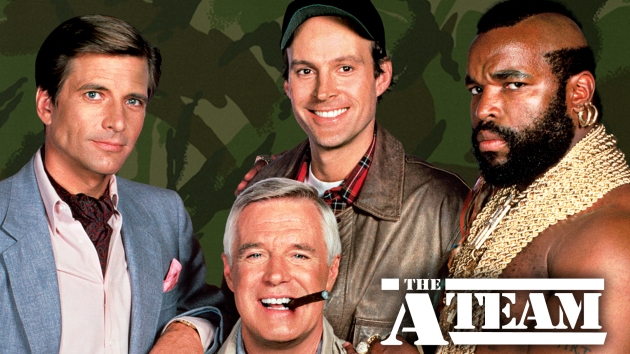
And to this day, with a 33 year long career and still going, the only books I have read on screenwriting is the one I wrote and the only classes I’ve attended on it were ones that I have taught (although I strongly advise EVERYone to read as much as possible and take advantage of classes and degrees in filmmaking).

That, in a large nutshell, is how it all started. Now, if you want the long version…

Oh, and I would be remiss if I didn’t say something more about Burt, my partner. Burt was an incredible writer on his own. At the suggestion of the producers at Stephen J. Cannell, Burt and I separated our contract and worked as individuals. He went on to work on many shows including being an Executive Producer on Touched By An Angel. Unfortunately, Burt passed away in 2006. He was an incredible person and hardly a day goes by when I don’t think of him.

Can you remember hearing your very first lines of dialogue acted out on screen? Do you remember who might have said them, and how you felt in that moment?

Hmmm…. Interesting question. I can’t actually remember it. I mean, I certainly know what the first line was in that first script Burt and I wrote for Riptide but it wasn’t filmed in linear order so it would have been in the dailies of whichever scene we shot first. I might even have been on the set the first time. I can’t say I remember how it felt.

Now, related to this question, is what my feeling was when I saw my name on the credits for the first time on television. I was at home, by myself (go figure). I had already seen the Answer Print (the final print we send to the Network), so I already knew what it looked like, but this was the first time it was going to be seen by a national audience. I waited, staring at the screen. And… there it was! And it was gone! And I felt…. well, that was anti-climatic. I expected more, I don’t know, fireworks?

But the second time… yes, that was memorable. I was in a Circuit City electronics store. I had set my VCR to record the episode, but I wasn’t going to see it live. I was standing in a long line at the checkout, looking at the clock as it neared 8 pm. Then I realized… I was surrounded by TV sets. They were all over the place, on the walls, on the floor displays, this was an ELECTRONICS store. I asked the person behind me to hold my space and I went around and changed every TV set to channel four. I got back in line and as it hit 8pm, Riptide was on every TV set in the store. And… my name flashed on hundreds of screens, all around me.

THAT was pretty rewarding.

In your early days as a writer on such huge shows as The A-Team and Riptide. And over 30 years later, you are still at it! So, congrats! But, my question is about how much things have changed? What are maybe some of the more subtle differences in the world of television writing? And do you find it to be better? worse? 

TV has changed so much in the last thirty years. The technology has changed it, the social environment has changed so much, the very paradigm of story telling has changed.

This is a very complicated thing to address, so I can only skim the surface. Let’s break some of it down.

Back in the day (meaning when I started, in the 1980’s) there were only three networks plus PBS. CBS, NBC and ABC (FOX showed up a few years later). You could actually figure out how many episodes of television that were available for Writers and it wasn’t much. All of the series were financed by advertising dollars, meaning the networks had to sell commercial time to companies and the amount they charged was based on viewership. This was assessed, mostly, by Nielsen ratings. The budgets for producing the series were also based on this.

Next, was the secondary market. This was the “syndication” market. Basically it meant that every series would be sold individually to the local independent stations to be shown at their discretion. Mostly, this meant in the middle of the day when they did local programming. And it was always done as a secondary market, long after the original network run was over (TV series that were intended directly for the syndication market didn’t come until later).

Now with this, the local stations could also choose the order that they aired the episodes in syndication. That restricted us in writing the series because they could re-order it in such a manner that any broad series arcs wouldn’t make sense. So each episode had to be self sustaining and much more dependent on the plot specific to that episode. The character arcs were not broad, they evolved slowly and unintentionally as the series unfolded.

So two things have completely shaken up the formula since then.

One is that we have now expanded from advertiser driven financing to subscription financing. The Networks are still there and still use advertising dollars, but networks like HBO, SHOWTIME, AMAZON and the like have budgets that are based on subscribers. The Networks have to guess what the future income is based on projected advertising success. The subscription based networks know what their budgets are already; it’s based on known subscriber numbers.

Two is the technology of Entertainment, which has two parts.

(a) is the appearance of cable TV and the expansion in the number of networks. We now have so many networks out there, many of them specializing in a certain kind of product. Flip through your cable channels and see how many networks now have original content. And it’s getting larger.

(b) is the change in how series are presented. Listen, young’uns, there was a time when we had to rush five miles through six foot snow to be home when our favorite episode was on! If you missed it, well, you had to wait until Summer when the Networks would rerun the series. Even then, there was no guarantee they would rerun the one you missed! Nowadays you can record an entire series to watch at your convenience. Or you can buy the box set DVD to watch at your convenience. Or you can stream episodes at your convenience. Note the commonality? “At your convenience” means that you are no longer dependent on a schedule dictated by the Networks. You can watch your episodes anytime and anywhere. It also means that commercials and advertising-based revenue isn’t as important (notice that commercials have become more entertaining? It’s to prevent you from fast forwarding through them).

So how have those things changed the landscape of TV writing?

Well, in one case, you might notice that there would be more opportunities for Writers. With that many outlets, there has to be more work. Yes…. and no. What you are finding is that even though there are more slices in the financial pie, the pie itself hasn’t gotten appreciably larger. Rates have gone down relative to inflation and the residual system has taken a huge hit. And the freelance market has also taken a huge hit as many series write all their episodes in-house. Back when I started out, we would write in-house episodes, but freelance assignments to outside Writers. It’s a system I still believe in to this day as I think new blood is a necessary part of storytelling. But financially, it makes more sense to write it all in-house.

But for those Writers who do work, this is a golden era of storytelling. Because of the new syndication, you are no longer restricted by the order your episodes might be shown. Everything is “at your convenience”. The audience can now watch a series in correct order and most do. Binge watching is exactly this. So because of that, stories no longer have to be told in an episodic format, they can be told in a grand novelesque manner. 12 episodes of a series can be written as if it’s a 12 hour movie with huge character and plot arcs.

Did I mention that back in the day, we had 22 hours to fill? Now it’s a lot less. Another change, but I digress.

Another change has been the disappearance of the middle class of TV writers. People like to talk about the huge salaries that Hollywood people make, but that’s only looking at the tabloid headlines. Most of the people who work in the business make a modest living at it. There was a thriving middle class that made up most of the business, with the small percentage of Superstars at the top and those trying to break in at the bottom. That has been changing for a while. It has a lot to do with how the residual system has been destroyed and the longevity of careers in the business. Getting in as a writer is more difficult. But staying in is even harder. My fear is that we will get to a point that the only kind of Writers we have are either Superstars or hobbyists; those few who make millions and those who can’t make a sustainable living at it.
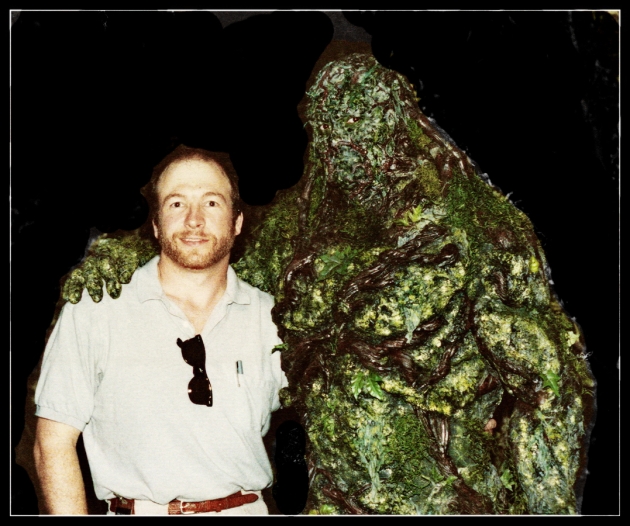
Moving into the early 90’s, you were a creative mastermind behind the highly underrated series, Swamp Thing! I remember feeling my little 8 year old heart break when I learned that there would be no more Swamp Thing. What was your experience like in adapting such a legendary story for the television? Any fond memories during the period of the show’s run?

Swamp Thing was such a wonderful show to work on. And for one of the most illogical of reasons; we had no money to shoot it.

As background, Swamp Thing was a DC Comics character introduced in “House of Secrets #92.” Created by Bernie Wrightson and Len Wein, it became very popular and spawned its own comic book series. In 1982, Wes Craven wrote and directed a movie about the character. There was also a sequel, The Return of Swamp Thing. In the early nineties, USA Network decided to run a TV series around Swampie.

I wasn’t involved in the first season of Swamp Thing. Twenty two episodes were aired, but apparently it wasn’t doing as well as it should, so the network agreed to bring it back if the budget could be cut in half. With the exception of Boris Malden (a true genius in production), all the producers were released from their contracts. They needed a new Writing/Producing staff so they called on Tom Blomquist (remember him from my breaking-in story?). He immediately hired me and another producer name Jeff Myrow. We were told there was very little money. My pay was the lowest I had accepted in years. But the order was going to be 50 guaranteed episodes and I was promised more responsibility and the opportunity to work with an old friend, Tom. So I took the job.

Now, when I say we didn’t have money, believe it. Our budget was so low that we could not afford any overtime of any sort. Most series would run over and just pay the extra. We could not afford that. Anything we didn’t get in the camera we just didn’t have. We’d have to figure it out in post-production. This was a half-hour single camera series that and we had only 36 total hours to shoot each episode; not one minute more. And to that, we had no money for optical effects or special effects that couldn’t be shot on the set. If it couldn’t be done through the lens, it wasn’t going to happen. And money for action sequences? Please.

Keep in mind this was a Super Hero series. Super powers were a part of it. Super strength was a part of it. Money, however, was not.

How did that affect us? It made us… FORCED us to be more creative. We couldn’t throw money at a problem to solve it. The first thing we did was admit we couldn’t rely on the flashy eye candy of special effects or super powers. We had to go deeper with the episodes, write character based stories. Swamp Thing morphed into being a voice of our own conscience. Yes, he had his adventures and we sill had a lot of suspense, but we concentrated more on depth of the character and his inner conflict, along with those around him. Anyone who remembers Swamp Thing in the comics will recognize that the character was originally set up that way. In fact, we were getting back to his roots (I accept all blame for puns in this section; it’s unavoidable).

Now this would have all been a complete waste of time if we didn’t have the crew and actors around us to make it happen. Fortunately we were blessed with an incredible crew (many of whom I worked with again on Xena) and talented actors who were a joy to work with. We worked hard on that series and everyone took pride in it. We were dedicated to making this work by pulling every low budget trick we could. 

We called in favors to get recognizable names to guest star on the series. Larry Manetti (from Magnum P.I.) was talked into some episodes. Philip Michael Thomas (Miami Vice) did an episode at my request. Heck, we even had the singer Debbie Boone in an episode (notable for her song “You Light Up My Life”). We resorted to old theatrical stagings and, at one point, a magic trick in order to create visual effects where they didn’t exist. We had the benefit of shooting on the lot of Universal Studios in Orlando, Florida. We used every set we could in that park. If we shot during the day, we’d have people trying to keep the tourists quite while we shot. When we shot at night, it was eerie walking around the different exhibits and rides in the dark (I once got caught in the middle of the Earthquake ride because I was doing a location scout at midnight and the techs were running ride simulations at the same time).

And Dick Durock as Swamp Thing… I am still amazed at what he put into that character. He used to tell me “I’m just a lucky stuntman” (he had been a stuntman on many many series and movies), but he was Swamp Thing. He had played that character in every version of it and rarely ever complained. When he did, he would follow it up by a very self-effacing “But what do I know?” Dick knew a lot. And he invested more in that role than anyone should have been required to. Imagine working a full day in the summer, in Orlando, with that sun beating down on you, wearing forty pounds of foam rubber and prosthetics. When he would take off his boots at the end of the day, sweat water would pour out. And I never heard him complain about it. I wish I had the time to talk about everyone who worked on the show, seriously. Some have become life long friends.

As I mentioned, we had 50 episodes to shoot, three days each, two each week. That meant that the Script Monster had to be fed twice a week, but it takes at least a month and a half to prepare his meal (the script). So we got an immediate jump on writing scripts. Tom, Jeff and I wrote many of them, but we farmed many of them out to freelancers. When we started production, we had an amazing 25 scripts in final form, ready to be shot. By the time we got to the last episode, we were spending our entire weekends writing feverishly and sending pages directly to the set. That Script Monster will not be denied his regular meal.

Somehow we did it. And we were so close to our budget at the end, it would have been pocket change to make up the difference. I have too many fond memories of that series to relate here.

Later on in that decade you made you way into the world of Xena: Warrior Princess, which may be where some people may recognize your name the most, as this was a massively successful show that amassed a huge cult following that still seems to occur today. So how did you come to work on this show as a writer and consultant, to eventual producer?

Remember Babs Greyhosky? I mentioned her before, she was the showrunner of Riptide, the person who hired me for my first job. I got a call from her one day and she told me that she had just started working as a Supervising Producer on a new series. It was a spin off of the series Hercules, starring Kevin Sorbo and Michael Hurst, about an evil Warrior Princess who goes up against Hercules. Hercules defeats her and convinces her to reconsider her ways. Babs told me she wanted me to come in and meet the producers and that there was a character she thought I would really enjoy writing. The character was Salmoneous, played by Robert Trebor.

So I went in to meet Rob Tapert and RJ Stewart as well as Liz Friedman. They told me about the new series, Xena: Warrior Princess, and gave me a breakdown of the characters. Now, I had already seen Hercules on TV and knew a bit about it already. Hercules was half god, half man. He went up against mortal warlords and the gods of Olympus. So I asked a natural question: do they ever deal with demi-gods? They weren’t sure what I meant, so I pitched an idea completely off the cuff about the demi-god Morpheus. Rob really liked the idea, so when I came back in later to do an actual pitch, they wanted me to write that episode.

I wrote the first draft for it and, based on that, they asked me if I would come on board. They already had a full complement of producers, so they couldn’t offer me a producer’s position. Even though I had already produced two series at that point, I actually think they just were being cautious. In any event, they asked me if I would be a creative consultant on the series. I wasn’t working on a show at the moment, and I really liked the series concept, so I accepted.

A couple of month later, Babs left the series to pursue another project. I realized they now had a producing slot open, so I approached RJ and reminded him of my background. He agreed with me and took it to Rob, who agreed as well. Sam Raimi, Rob’s partner, also signed off and, boom, I was the new Supervising Producer.

Later on, I was moved up to Co-Executive Producer.
The series was, truly, a great experience. The number of talented people involved with that series, from the crewmembers working on the set to those of us in the producer’s office, to the actors and actresses and, even, the executives at the studio really made Xena work. I’ve referred to it as catching lightning in a bottle. Casting Lucy Lawless in the lead role and giving her a perfect match with Renee O’Connor cemented it. Not that we didn’t have our differences, we were very much a dysfunctional family at times. We had no idea we were making something that was going to impact pop culture, or that it was going to have huge critical, merchandising, and ratings success. We were just hoping we could do something we would be proud of and have a great time in the process. Oh, and hoping to get a second season. Somehow it all worked out and I ended up with a great experience and some wonderful friends along the way.

Many of those friends were originally fans of the series that I got to know over the years at the various fan conventions. I can tell you, I have never met a more committed, loving, charitable group of people in my life. Those fans have raised well over 23 million dollars for charities world wide in the name of “The Greater Good”. It’s a nod to the title of an episode I wrote and I’m humbled by the incredible giving nature of the Xenites.

And, of course, I always give a tip of the hat to our big brother, Hercules. Xena would not have happened if it weren’t for the success of Hercules to spin off from.

Can you tell us a bit about your book The Non-Use Friendly Guide For Aspiring TV Writers? I am very intrigued. What made you want to write this book?

The complete title is The Non-User-Friendly Guide for Aspiring TV Writers, Experience and Advice from the Trenches (not what you want to know but what you need to know). The truth is, that title was my little joke. My publisher decided he liked it, so it remained.

It wasn’t originally intended to be a book. Since I have had a fairly high internet presence, I would see many aspiring screenwriters asking questions online about the business. So I began to answer them. After a while, many of the questions were repeated by others, so instead of typing a new response every time, I started to keep a log of my answers. I would rewrite them to the new question to address specific details, but eventually I had a file of questions and answers.

Enter Kevin J. Anderson, the popular Science Fiction writer. Kevin and I had known each other for quite a while, we were friends, and we had been thinking of collaborating on a project. But since he knew absolutely nothing about Hollywood or the business he had a lot of questions, so I sent him my file and told him to take a look. He read it and suggested (strongly) that I publish it through his own company, Wordfire.
And I didn’t. At least, not at first. It took a few years of him reminding me of it before I finally agreed.
So the book is, as I mentioned, about the business. It is not to teach someone how to be creative and tell a story. Nor does it get bogged down in the details of format. Yes, I touch on those things, but only to facilitate the business aspect. The questions I address are things that range from getting an agent, branding yourself in the business, how to dress and act in meetings, how to prepare for pitching ideas and pilots, and a lot of the things that aren’t really addressed in many other books. And although I think I’m diplomatic in my answers, I don’t sugar coat it. It is also interspersed with little anecdotes about my life and career. Those stories are meant as optional diversions, but also to give you a sense of who I am and how I view things. I believe it’s necessary to understand the context of the advice before you can apply it to your situation (a couple of the stories you’ve read here are included).

Kevin will tell you that I am horrible at self-promotion. I really am, I don’t try to pressure people into buying the book, I don’t go out of my way to push it on others. So I will, as per my obligation to Wordfire, say that you can find it on Amazon, Barnes & Noble, and through the Wordfire website. Objectively, it really is a good look into the business if you are intending to make Television Writing a career.

When you look back on your illustrious career, what would you say you are most proud of?

Most people who know me know that I’m not really wired for the “list your favorite” type of question. I can’t really point to one thing, one series, one episode, one experience that I am most proud of.

I take pride in the fact that I’ve made people happy in some fashion. That I have the ability to make people feel, to laugh, to cry, and to look at things from a different perspective, that makes me happy. I am humbled when I get letters from people who tell me how their lives were changed by things that I wrote and/or produced.

But, excuse me for being a bit sappy at this moment, I am most proud of my parents. They were the ones who encouraged me and gave me the strength and confidence to pursue the things that made me happy.

What do you have coming up that our reader’s should look forward to? Anything to plug?

There’s a lot going on at the moment. Unfortunately, I can’t talk about most of the film and TV development because they are either still in the works or in the process of negotiations. I continue to develop series ideas and film scripts and make the rounds with the studios and networks. It’s never easy in the best of situations and past success is never a guarantee of future results. I’m great in a pitch meeting, ask around.

Kevin J. Anderson and I have a graphic novel called Stalag-X that we’re very excited about. It’s actually gone through a few tentative releases, but we just signed a deal with Vault Comics and it will be coming out mid to late 2017. We also signed with a company to bring Stalag-X to the screen, but I’m not at liberty to say which company. There will be an announcement in the trades soon.

I have new novel tentatively titled Vill’Annie which I wrote with Peter J. Wacks, another amazing author. It’s part one of a three volume story that creates a new world to play in. That novel in still in the editing stage, so I’m not sure when it’s coming out.

I’m excited about another novel called Harry O’Fell that I’ve been working on. I have already written the pilot script and screenplay, but I decided to go for the trifecta and get the novel done.

I am also featured in an upcoming documentary called Battlefield: Home – Breaking the Silence, written and directed by Anita Sugimura. This documentary deals specifically with the difficulties of military families and returning veterans during war. It’s wonderfully heartbreaking and uplifting at the same time. Brats will understand.

I do make appearances now and then at Comic Cons, as well doing radio shows and interviews online. I’m a guest on Combat Radio on LA Talk Radio from time to time and I do guest speaking at universities and colleges around the country. I’m rebuilding my website, but it will eventually list my appearances.

What was the last thing that made you smile?

The problem with this question is, much like writing, I will constantly be editing it as things change. I prefer the mystery of the next thing that will make me smile. It keeps me moving forward with optimism.